The Trump-Xi meeting was heavy on pomp, light on substance. China is just fine with that

Trump-Xi Summit Delivers Pageantry, Not a Breakthrough
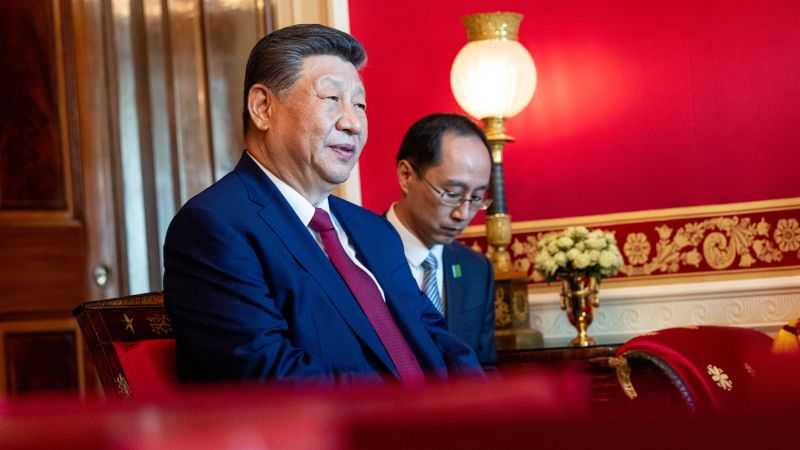
Activelifezero.com – The Trump Xi meeting was heavy on ceremony but produced few visible answers to the disputes shaping ties between the United States and China. President Donald Trump welcomed Xi Jinping to Washington with formal events, a White House dinner, gifts and notably warm public remarks.
For Beijing, the limited substance may have been acceptable. Four months after their previous meeting, the two leaders extended their trade truce and discussed cooperation on artificial intelligence risks. Xi’s immediate objective appeared to be preserving stability while China advances its economic, technological and geopolitical ambitions.
At Thursday’s state dinner, Xi said stronger relations could benefit both countries and emphasized the connection between their people.
The friendship between the two peoples is a worthy cause that holds great promise. Let us join hands and move forward side by side.
China Sees Value in a Calmer Relationship
Xi’s remarks supported Beijing’s broader argument that China’s rise should not automatically be seen as a threat to the United States. He linked Trump’s “Make America Great Again” message to his own goal of the “great rejuvenation of the Chinese nation,” a long-term effort to make China a leading military, industrial and technological power.
The Trump Xi meeting was heavy on symbolism at a time when Beijing has gained confidence. US restrictions on Chinese imports, investments and access to American technology were intended in part to curb China’s progress in strategic sectors. Yet China has continued to record strong exports while building its capabilities in artificial intelligence and robotics.
China also retains influence over rare earth metals and other materials important to US industry. That leverage matters as Washington focuses on supply chains, technology competition and domestic manufacturing.
A summit without major concessions can therefore still serve China’s interests. A less confrontational atmosphere may ease short-term pressure on Beijing without requiring it to change policies that it sees as central to its national strategy.
Trade Talks Remain Cautious
The easing of tensions has offered some relief to businesses and governments affected by trade uncertainty, disrupted supply networks and shifting diplomatic relationships. But the latest gathering, like Trump’s trip to Beijing in May, highlighted how carefully staged goodwill can coexist with unresolved disagreements.
Xi did not bring a prominent delegation of business executives to Washington. Cui Hongjian, an international relations scholar at Beijing Foreign Studies University, said that absence suggested commercial relations had not yet reached a point where either side could claim a major opening.
Right now, both sides are still in a phase where they want to stabilize the political situation a bit more.
Xi said he hoped the United States would welcome Chinese companies and investment. Trump stressed the countries’ long commercial history and personal ties while acknowledging that their political systems differ.
President Xi and I both understand that we represent different systems, but the ties between our people endure. We’ve never gotten along better.
The Trump Xi meeting was heavy on positive language as Trump dealt with political pressure at home, including the war with Iran and higher inflation ahead of November’s midterm elections. The visit was also overshadowed by his decision to exclude reporters from CNN, MS Now and Politico from the White House press pool; a court later reversed the ban.
Frequently Asked Questions
What did Trump and Xi agree on? They extended their trade truce and discussed potential cooperation on risks associated with artificial intelligence. No major new agreement was publicly announced.
Why was the Washington summit important? The meeting gave both governments an opportunity to lower immediate tensions while maintaining dialogue on trade, technology, supply chains and other areas of competition.
Did the meeting resolve US-China differences? No. The leaders projected cooperation, but major disagreements over trade, technology, investment and strategic influence remained unresolved.