
What ER doctors, prosecutors and parents want you to know about e-bikes
What ER doctors, prosecutors and parents want you to know about e-bikes
What ER doctors prosecutors and parents – On a Christmas morning in 2024, Jade Sharpe watched her 13-year-old daughter, Kennedi Chandler, take a brand-new electric bicycle for a ride in their Indiana neighborhood. The family had intended to equip the teenager with essential safety equipment, but on that unusually warm holiday, Kennedi insisted on riding without a helmet. Within minutes, she collided with the pavement, leaving her parents in shock. “The next thing I knew was flashing lights, and then just … heart sunk,” Sharpe recalled to CNN. “You just know. I didn’t realize how bad it was until we were in the ambulance.” The accident forced them to head to the top trauma center in Indianapolis, not the nearest hospital, because Kennedi’s injuries were severe. She suffered a traumatic brain injury, spending 20 days in the hospital, 14 of which were in intensive care. Doctors had to remove a portion of her skull to relieve swelling and bleeding. “This surgeon has expressed how many bicycle accidents she’s had come through over the years, and Kennedi is lucky—so very lucky,” Sharpe said.
The Rise of High-Speed Micromobility
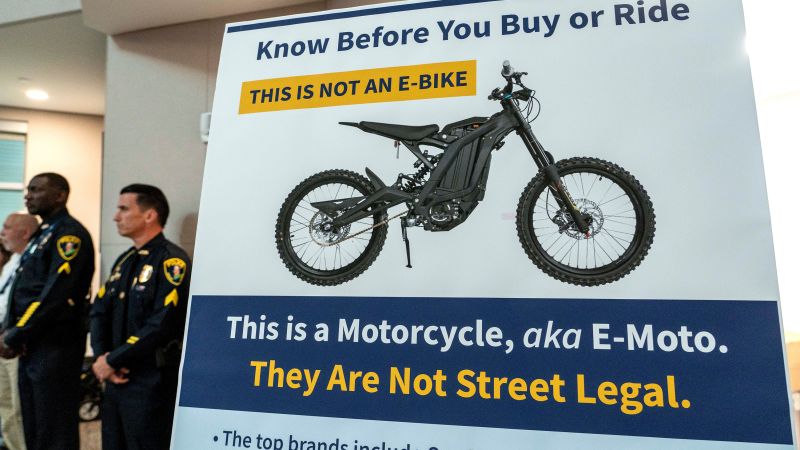
While traditional bicycles are a common sight in neighborhoods, e-bikes are changing the landscape. These vehicles, with sleek designs and larger tires, can reach speeds surpassing 30 mph, thanks to their built-in motors. Unlike manual bikes, e-bikes are often marketed as eco-friendly alternatives to cars, especially as gas prices climb. However, recent accidents involving children and teenagers have raised alarms about their safety. In California, multiple incidents this year have underscored the risks. In Fresno, a 13-year-old died and two others were seriously injured in separate e-bike crashes. In Garden Grove, a 13-year-old boy lost his life after rounding a curve at approximately 35 mph and hitting a median. The vehicle in question was described by authorities as an electric motorcycle. Meanwhile, in Lake Forest, a 14-year-old rider, using an e-motorcycle capable of hitting 56 mph, struck and killed an 81-year-old Vietnam veteran who was walking home from his substitute teaching job. The victim’s mother now faces an involuntary manslaughter charge, as prosecutors claimed she had been previously warned about the legality of her son’s riding.
Regulation and Responsibility in Focus
These incidents have prompted a wave of regulatory action across the country. The Orange County District Attorney’s Office has filed child endangerment charges against three parents this year, citing the devices as “deadly weapons.” The idea is that e-bikes, which can outpace traditional bicycles, require stricter oversight, particularly when used by minors. Dr. Darria Long, an Atlanta emergency room physician, has seen firsthand the growing number of e-bike-related injuries. Over the past five to 10 years, she has treated patients with head trauma, fractures, concussions, chest injuries, cardiac arrest, and even fatalities. “Families often don’t realize the power of the bikes or motor vehicles their children are using,” Long explained. “They thought their kid was just doing something fun. They believed a helmet might prevent all harm—until they ended up in an emergency room.”
From Fun to Functionality: A Shift in Perception
Kennedi’s accident is a stark reminder of how quickly e-bikes can transform from recreational tools to life-threatening machines. After weeks of hospitalization and recovery, she is now completing her final therapy sessions. “She’s playing soccer again and is eager to get back on a bike,” her mother said. “This time, though, she’ll have a helmet.” Sharpe emphasized that the injuries from e-bikes are not limited to broken bones. “It could be so much worse than what you think,” she added. “It’s not just a broken bone.” The incident highlights the need for parents to understand the capabilities of these vehicles and to enforce safety measures. While e-bikes are praised for their environmental benefits and convenience, they also demand a more cautious approach to their use, especially among younger riders.
Statistics from the US Consumer Product Safety Commission reveal a sharp increase in micromobility-related fatalities between 2017 and 2024. The number of deaths rose from five to 135 in the same period, with emergency department visits more than tripling, from 37,300 to 149,100. Notably, e-bike deaths alone increased from zero in 2017 to 97 in 2024. These figures include incidents involving e-scooters and other small electric vehicles, but they don’t account for motorized models like e-motorcycles that exceed e-bike speed limits. Such vehicles, often overlooked in safety discussions, pose an even greater risk. As more families adopt these technologies, the line between leisure and danger becomes increasingly blurred.
Rebuilding Trust and Embracing Caution
For parents like Sharpe, the experience has been both painful and enlightening. “You just know,” she said, describing the moment she realized Kennedi’s accident was severe. The family’s initial belief in the safety of e-bikes has been shaken, prompting a reevaluation of their approach to children’s transportation. This sentiment is echoed by emergency room physicians and prosecutors who are calling for more comprehensive regulations. The goal is to ensure that e-bikes are not just treated as toys but as vehicles that require training, proper gear, and adherence to traffic rules.
As the popularity of e-bikes grows, so does the need for clarity around their classification. Some models are categorized as bicycles, while others, like e-motorcycles, are treated as motor vehicles. This ambiguity has led to confusion among riders and parents alike. “The key difference lies in speed and power,” said one local traffic safety expert. “E-bikes can be as dangerous as motorcycles if not handled responsibly.” With this in mind, advocates are urging states to update their laws, making it mandatory for children to wear helmets and establish clearer guidelines for operating these vehicles on public roads.
The incidents in California have sparked a national conversation about the safety of e-bikes for young riders. While many parents view them as a way to encourage physical activity, the data suggests otherwise. “They thought their child was just doing something fun,” Dr. Long said. “But the reality is, these bikes can be far more powerful than they realize.” The challenge now is to balance the benefits of e-bikes with the responsibility that comes with their use. As cities expand bike lanes and more people embrace electric transportation, the focus must remain on education and regulation to prevent tragedies like Kennedi’s. “It’s not just about the vehicle,” Sharpe said. “It’s about the choices we make and the awareness we bring to our children’s safety.”
The path to safer e-bike use involves transparency from sellers, stricter laws for minors, and a renewed commitment from parents to monitor their children’s activities. With more than 100 e-bike-related deaths reported in 2024 alone, the message is clear: the speed and power of these vehicles demand equal attention to safety. As the cycling community celebrates their benefits, the lessons from these incidents serve as a sobering reminder of the risks involved. The future of e-bikes may depend on how well society can adapt to their growing presence and ensure they are used with the care they deserve.
