
Want to save money at the grocery store? It’s harder than you think
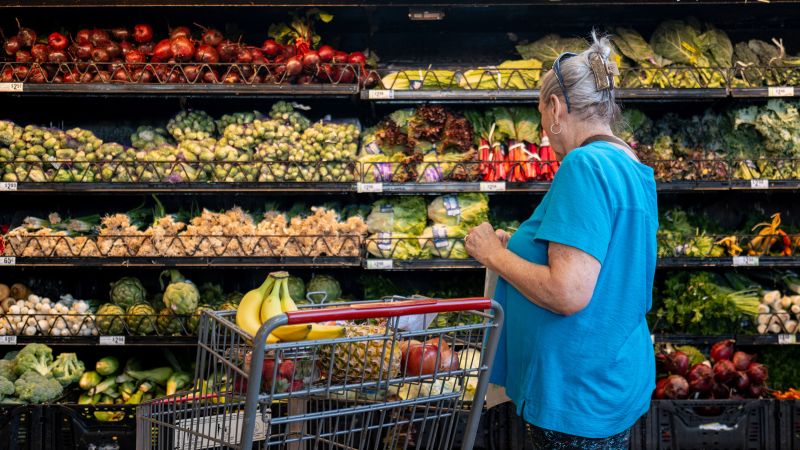
Want to save money at the grocery store? It’s harder than you think
Want to save money at the grocery – Supermarkets operate as self-contained economic ecosystems, where prices fluctuate based on a complex interplay of factors. While the overall inflation rate in the US has reached 4.2% over the past year, grocery prices have only climbed by 2.7%. This discrepancy can be attributed to a variety of reasons, including the lingering effects of high gas prices and global supply chain disruptions. However, the challenges of managing a budget-friendly grocery shopping experience extend far beyond these general trends.
The Cost of Perishables: A Tumultuous Ride
The ongoing conflict between the United States and Iran has significantly disrupted grocery supply chains, driving up the costs of perishable goods. Fresh fruits and vegetables, in particular, have seen sharp increases in prices due to elevated shipping expenses. For instance, apples have surged 5.6% year-over-year, primarily because of their reliance on imported supply during this season and the added burden of rising diesel costs. Similarly, citrus fruits like oranges have risen 6.1% as a result of the devastating citrus greening disease, which has plagued Florida and Brazil’s crops. This has created a bottleneck in availability, pushing prices higher than average.
“When you’re dealing with perishables, timing and sourcing are everything. The combination of climate change and geopolitical tensions has made even the simplest items a gamble,” said a food economist at a recent conference.
Vegetables, too, face unique challenges. Prices for fresh produce have increased by 11.9% overall, with tomatoes experiencing a dramatic 32% rise. This is due to a confluence of record cold temperatures, excessive rainfall, and the impact of tariffs. Lettuce, which also saw a 24.9% price hike, shares similar struggles. These factors have created a volatile market for fresh goods, making it harder for consumers to predict costs.
Stable Alternatives: The Frozen and Canned Options
While fresh items often carry unpredictable price tags, frozen foods provide a more stable alternative. Their prices have only risen 2.1% over the past year, offering a clearer value proposition for budget-conscious shoppers. For example, frozen desserts like pies and tarts have increased by just 0.2%, making them a smarter choice for satisfying sweet cravings without breaking the bank. This stability is partly because freezing locks in nutrients, reducing the need for frequent restocking and minimizing spoilage-related waste.
Canned goods, however, are not immune to inflationary pressures. Prices for canned fruits and vegetables have risen 5.2% annually, with fruits alone climbing 7.1%. This increase is linked to the same forces affecting fresh produce, such as tariffs and climate-related disruptions. Despite these challenges, frozen options remain a more affordable route for many consumers, especially when compared to their fresh counterparts.
The Coffee Conundrum: A Rising Bill
For those who rely on coffee for their morning routine, the financial strain is palpable. Prices at the grocery store have increased by 17.5% over the past year, driven by a combination of climate change and trade policies. Tariffs on coffee beans, along with shifting weather patterns that affect harvests, have contributed to this upward trend. While making coffee at home can save money, the cost of beans and brewing equipment has also risen, leaving little room for savings.
“Coffee is a luxury good in disguise. Even though you’re spending less on the cup, the overall cost of maintaining a home coffee setup has gone up,” noted a consumer analyst in a recent report.
Tea, on the other hand, offers a more budget-friendly option. Its prices have risen just 1.4% year-over-year, making it an attractive alternative for those seeking to cut costs. This difference highlights how specific factors, such as production methods and transportation logistics, can influence the price of seemingly similar products.
Meat Market Shifts: Beef, Pork, and Chicken
When it comes to proteins, the price trends tell a different story. Beef has increased by 12.9%, primarily due to a sharp decline in herd numbers over the past seven decades and persistent droughts in the southern states. These conditions have reduced supply, driving up demand and prices. Meanwhile, pork has seen a more modest 2.6% rise, while chicken prices have fallen 0.6%. This decline follows a severe avian flu outbreak that disrupted chicken production a year prior.
Interestingly, frozen fish prices have climbed faster than fresh varieties, increasing 7.5% compared to the 6.5% rise for fresh fish. This trend underscores how freezing processes can sometimes add to the cost, despite their usual benefits of preservation. Shoppers who are grilling this summer may find that switching between protein sources can help balance their expenses.
Healthy Savings: Eggs and Cereals
The avian flu crisis has had a lasting impact on egg prices, which have plummeted by 35.2% from last year’s peak. This significant drop has made eggs a more affordable staple, even as other items like bacon and cereal see smaller increases—1% and 1.2%, respectively. These lower price hikes are partly because cereals can be stored for extended periods, reducing the pressure from rising diesel costs associated with frequent transportation.
For those looking to diversify their shopping strategy, prioritizing certain items can yield better value. For example, choosing bananas over other fruits is wise, as their prices have decreased by 1.2% due to bountiful harvests in Costa Rica. Similarly, potatoes have seen a 0.6% decline, offering a rare opportunity to find affordable staples.
Long-Term Strategies: Navigating the Grocery Market
Understanding the dynamics of grocery pricing is key to making informed decisions. While inflation remains a consistent force, the rate at which individual items rise or fall varies widely. By staying attuned to these patterns, consumers can identify which products are more stable and which are prone to volatility. For instance, frozen foods and certain staples like bananas and potatoes may provide greater predictability in a market otherwise marked by uncertainty.
Additionally, being proactive in selecting seasonal produce and adjusting protein choices can further ease the financial burden. Whether it’s trading fresh tomatoes for frozen alternatives or opting for tea instead of coffee, small shifts in purchasing habits can add up to meaningful savings. As the grocery landscape continues to evolve, adaptability and awareness become essential tools for budgeting effectively.
