
UK intercepts Russian ‘shadow fleet’ tanker for first time
UK Intercepts Russian ‘Shadow Fleet’ Tanker for First Time
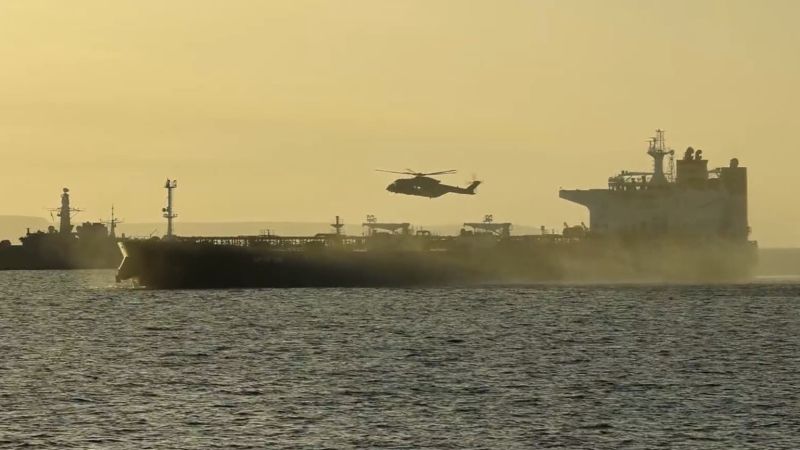
UK intercepts Russian shadow fleet tanker – On the morning of June 14, the United Kingdom executed its first-ever interception of a Russian shadow fleet oil tanker in the English Channel, as confirmed by Prime Minister Keir Starmer. The operation targeted the Cameroon-flagged Smyrtos, which had been previously sanctioned by the UK for its role in transporting Russian crude. This marked a pivotal moment in the UK’s efforts to disrupt Russia’s illicit maritime operations, according to official statements.
The interception was carried out by commandos in collaboration with the National Crime Agency, who boarded the vessel in the early hours of the operation. The Smyrtos, which had departed from the Russian port of Luga Bay on June 5, was tracked as it traversed the Baltic Sea before heading toward Port Said in Egypt. Its route, spanning six days, highlights the shadow fleet’s use of international waters to bypass sanctions restrictions. The UK’s move comes as part of a broader strategy to limit Russia’s access to global markets and reduce its financial leverage in the ongoing conflict in Ukraine.
Prime Minister Keir Starmer emphasized the strategic significance of the operation in a post on X. “This successful mission delivers yet another blow to Russia and serves as a clear message to those supporting Putin’s war that we will not allow them to operate in secrecy,” he stated. The UK’s decision to intercept the tanker was framed as a direct response to Russia’s reliance on its shadow fleet to circumvent international sanctions. By seizing the Smyrtos, the government aims to cut off a critical supply line for the war effort in Ukraine.
France has previously taken similar actions against Russian vessels linked to the shadow fleet. The country has intercepted multiple ships carrying Russian oil, underscoring the importance of the Baltic and Black Sea routes in the conflict. The UK’s interception, however, represents a new level of cooperation between European nations in targeting Russia’s energy exports. Analysts note that such operations are increasingly vital as sanctions tighten and Russia seeks alternative pathways to sustain its military operations.
Ukrainian President Volodymyr Zelensky welcomed the UK’s decision, calling for accelerated legislative measures to enhance the continent’s ability to enforce sanctions. “Europe urgently needs to take legislative steps to enable not only the detention of tankers and restrictions on oil shipments, but also the confiscation of the oil they carry,” he said in a statement. Zelensky argued that such actions would weaken Russia’s economic foundation for the war and demonstrate the collective resolve of Western allies.
Meanwhile, a Kremlin representative, Kirill Dmitriev, criticized the operation as a political maneuver. “Starmer is using the detention of a tanker as a distraction from the UK’s migrant crisis,” he remarked. Dmitriev suggested that the interception was intended to divert attention from domestic challenges, such as the influx of asylum seekers. Despite this, the UK government defended its actions as necessary to uphold international sanctions and hold Russia accountable.
The interception of the Smyrtos occurred just days after Starmer appointed Dan Jarvis as the new Defense Secretary. Jarvis, who took over from John Healey following a budget dispute, described the operation as a critical step in countering Russia’s logistical advantages. “Russia relies on its shadow fleet to fund its conflict in Ukraine, and our interdiction delivers a blow to Putin’s illegal war,” Jarvis explained. His comments reflect the UK’s commitment to strengthening its maritime enforcement capabilities in the face of ongoing challenges.
International observers have praised the UK’s action as a bold move in the fight against Russia’s sanctions evasion. The shadow fleet, a network of vessels operating under neutral flags, has been a key strategy for Russia to circumvent export bans and maintain its energy exports. By targeting the Smyrtos, the UK not only disrupted a single shipment but also sent a symbolic message to other nations about the consequences of supporting Russia’s war efforts.
The operation has sparked discussions about the effectiveness of maritime interdictions in curbing Russia’s economic power. While the UK’s action is a significant achievement, experts warn that sustained pressure will require coordinated efforts across Europe and beyond. The success of the Smyrtos interception may encourage further similar operations, potentially increasing the cost of Russia’s conflict for its global allies. As the UK continues to refine its strategies, the shadow fleet remains a focal point in the battle for economic sanctions compliance.
With the English Channel serving as a strategic chokepoint, the UK’s ability to monitor and intercept vessels has become a cornerstone of its sanctions enforcement. The Smyrtos case underscores the complexity of tracking Russian assets through international waters, where neutral flags and transshipment routes complicate enforcement. The intercepted tanker, now under UK custody, may be subject to further legal scrutiny or used as leverage in negotiations with Russia.
As the UK solidifies its position as a leader in sanction enforcement, the operation raises questions about the broader implications for international trade and diplomacy. The interception of the Smyrtos may also serve as a test case for future actions, demonstrating the effectiveness of joint operations between military and law enforcement agencies. With the shadow fleet’s activities continuing, the UK’s efforts are likely to remain a focal point in the ongoing conflict’s economic dimensions.
