
Remains of Los Alamos National Laboratory employee missing for nearly a year found in New Mexico forest
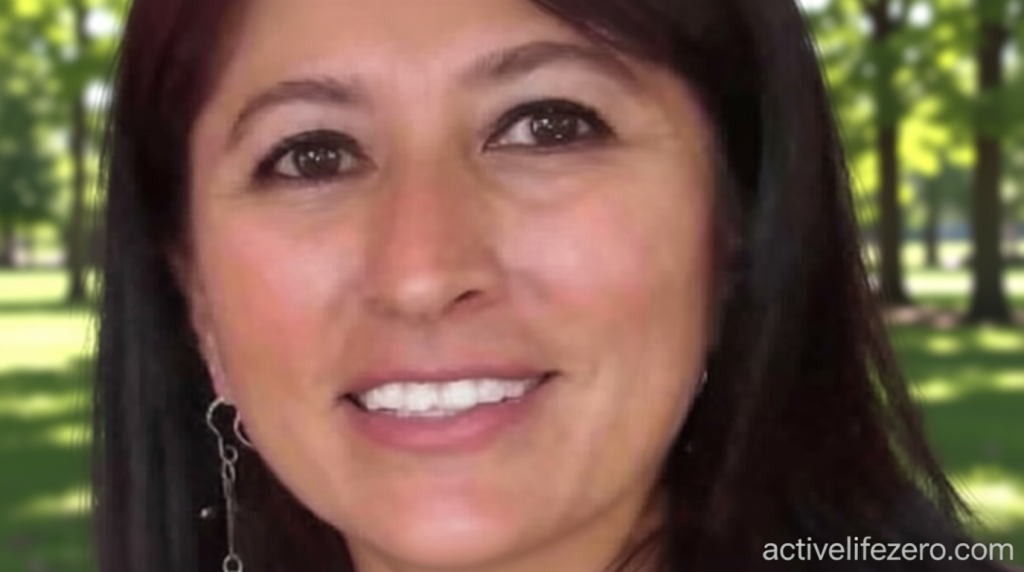
Remains of Missing Los Alamos National Laboratory Employee Identified in New Mexico Forest
Remains of Los Alamos National Laboratory – On May 28, a hiker stumbled upon human remains in the McGaffey Ridge region of Carson National Forest, nearly 15 miles from the Taos home of Melissa Casias, a Los Alamos National Laboratory employee. The discovery, which occurred just over a year after she vanished, has brought closure to the case of the woman who had been missing since June 2025, according to New Mexico State Police. The remains were found by the individual while exploring the rugged terrain, marking a significant breakthrough in an investigation that has spanned 11 months.
The police confirmed that the remains belong to Casias, 54, who had last been seen walking along a highway near Talpa, New Mexico, on June 20, 2025. At the time, she had left behind her belongings, including her purse, identification, and two cellphones, at her home in Taos. One of her phones was reported to have been factory-reset, as noted by NBC News. Her disappearance was officially reported on June 26, 2025, following her failure to appear at work and her absence from home after a visit to her daughter’s workplace.
Authorities initially stated there was no indication of foul play in Casias’ case, though the cause and manner of death have yet to be confirmed. The state’s Office of the Medical Investigator conducted a positive identification of the remains, though further anthropological analysis is scheduled to determine the exact circumstances of her death. A handgun was found near the site, adding another layer to the ongoing inquiry.
Casias’ family expressed their emotional journey as they waited for answers. “No matter what, we need to find answers,” said Jazmin McMillen, her niece, in a statement to CNN affiliate KOAT. “We don’t want to stop looking. I think regardless of what the situation is, if she left on her own or if there’s foul play involved, we just want to find her.” Her sister also shared the family’s determination, emphasizing their resolve to uncover the truth behind her disappearance.
Broader Pattern of Disappearances and Deaths in Sensitive Research Fields
Casias’ case is part of a growing list of individuals connected to US nuclear and aerospace research who have gone missing or died in recent years. At least 10 people tied to such sensitive fields have been accounted for in this period, prompting questions about potential connections between the incidents. This trend has sparked speculation and federal interest, with the Office of the Medical Investigator now examining the remains of Casias as part of a broader investigation.
The New Mexico Department of Public Safety initially noted no signs of foul play in Casias’ case, but the presence of the handgun has reignited discussions about possible motives. The state police, when contacted by CNN on Monday, declined to provide additional details, leaving the community in suspense. Meanwhile, CNN has sought further information from both the Office of the Medical Investigator and the Los Alamos National Laboratory.
Other notable cases include the disappearance of Anthony Chavez, a 78-year-old retiree from Los Alamos, in May 2025. Police have stated there are no indications of foul play in his case, though his absence from his home has raised concerns. Similarly, a retired Air Force general vanished from his residence in February, leaving behind his phone, prescription glasses, and wearable devices. His case has gained attention due to the unusual circumstances surrounding his disappearance.
In another incident, Caltech astrophysicist Carl Grillmair was fatally shot outside his Los Angeles County home in February 2025. The suspect, who has not yet pleaded guilty, remains in custody as preparations for a preliminary hearing continue. This event, occurring nearly 800 miles from Casias’ home, highlights the broader pattern of incidents involving individuals in scientific and technical roles.
Unseasonably Warm Weather and the Search for Missing Persons
The search for Casias and others has been influenced by the unusually warm spring weather in New Mexico. This has made it more challenging to locate missing persons, particularly in remote areas like Carson National Forest. For example, the retired Air Force general’s disappearance has been complicated by the lack of clear footprints and the difficulty of tracking his movements in the soft, early-season terrain.
The Republican-led House Oversight Committee announced in April 2026 that it would investigate the disappearances and deaths of individuals with access to sensitive scientific information. The committee’s decision came after growing public concern about the frequency of such incidents and their potential implications. The FBI has since joined the effort, collaborating with the Department of Energy and other federal, state, and local agencies to explore possible links between the cases.
The investigation has also drawn attention to the role of technology in these mysteries. Casias’ factory-reset phone and the absence of her daughter’s phone from her home suggest a possible connection to digital surveillance or tracking systems. Meanwhile, the retired general’s disappearance has led to questions about whether his belongings were taken intentionally or if they were lost during his escape.
Community Impact and Ongoing Questions
As the search for answers continues, the community in Taos and surrounding areas has been deeply affected. Locals have expressed concern over the increasing number of missing persons linked to scientific research, with some wondering if there is a larger pattern at play. The discovery of Casias’ remains has provided a sense of closure for her family but has also deepened the intrigue around the other cases.
Authorities have emphasized the importance of each new development in understanding the full scope of the incidents. While the Medical Investigator’s Office has confirmed Casias’ identity, the cause of her death remains unclear. This uncertainty has fueled online speculation, with some theories suggesting a connection to classified projects or espionage. However, officials have not yet released any conclusive evidence to support these claims.
Casias’ case serves as a reminder of the challenges faced by investigators in remote regions. The rugged terrain of Carson National Forest has made it difficult to recover evidence quickly, but the hiker’s find has provided a critical lead. As the analysis of her remains progresses, experts hope to uncover new insights into her final days and the circumstances surrounding her disappearance.
Meanwhile, the ongoing investigation into the other cases continues to unfold. With the House Oversight Committee and the FBI now involved, the search for connections between these incidents has gained momentum. The public remains eager for updates, particularly as the cases of Casias, Chavez, and the retired Air Force general continue to shape the narrative of missing persons in the scientific community.
