
Consumer sentiment surges due to lower gas prices
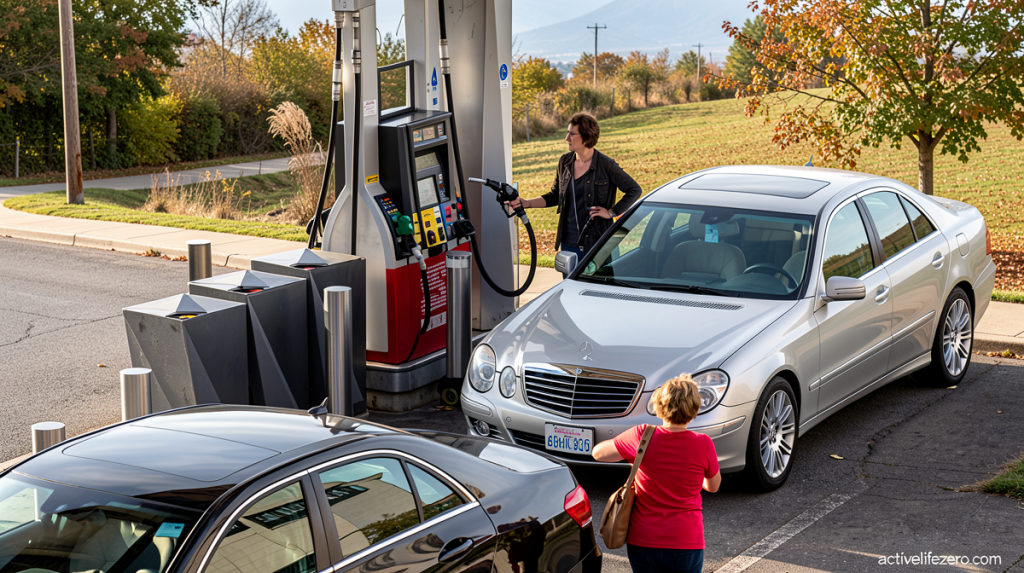
Consumer Sentiment Surges Due to Lower Gas Prices
Consumer sentiment surges due to lower energy costs, offering Americans a renewed sense of optimism about the economic outlook. The University of Michigan’s preliminary survey, released on Friday, revealed that consumer sentiment climbed 10% to reach 54.4, marking the highest reading since February. Joanne Hsu, the survey’s director, explained that this improvement stems primarily from easing price pressures at the pump over recent weeks. While the current uptick provides welcome relief, experts caution that this positive momentum could be temporary if geopolitical tensions in the Middle East continue to escalate.
What Drives the Recent Improvement
Consumer sentiment surges due to lower gas prices have created a broad-based recovery across demographic groups. According to Hsu, the increase was pervasive, affecting Americans regardless of age, income level, wealth status, or political affiliation. Despite this recent progress, sentiment remains 12% below year-ago levels, indicating that consumers are not yet fully confident about economic conditions. The current reading has mostly recovered from the record low experienced in May, when escalating tensions with Iran caused energy prices to spike dramatically. However, sentiment still falls short of pre-conflict levels, suggesting that full recovery depends on sustained stability in energy markets and a lasting resolution to Middle Eastern hostilities.
The connection between consumer sentiment and fuel costs remains particularly strong in the current environment. Any meaningful improvement in consumer confidence will likely require continued moderation in energy prices, which in turn depends on geopolitical developments. On Friday, military exchanges between the United States and Iran intensified, demonstrating that the conflict shows no immediate signs of winding down. Even if consumer sentiment continues to improve, economists note that it may not translate directly into increased spending, as sentiment has proven to be a less reliable predictor of consumer behavior in recent years.
Economic Indicators and Future Outlook
Recent retail data provides additional context for understanding consumer behavior. Commerce Department figures released Thursday showed that retail spending grew by just 0.2% in June. However, when adjusting for the impact of elevated gas prices, spending actually increased by a more substantial 0.7% during the same period. This discrepancy highlights how energy costs continue to influence consumer purchasing patterns and overall economic activity.
The labor market remains a crucial foundation for consumer confidence. Unemployment sits at a relatively low 4.2%, and new applications for unemployment assistance continue to trend at historically minimal levels. As long as Americans maintain employment, they possess the financial capacity to continue spending, even when feeling uncertain about broader economic conditions. Various surveys indicate that Americans have grown increasingly pessimistic about the economy, with recent economic shocks driving up the cost of living and eroding confidence.
Inflation expectations present another important dimension of the current picture. The Michigan survey shows that Americans’ expectations for inflation over the next year declined to 4.2% this month, down from 4.6% in June. Nevertheless, this figure “substantially exceeds the 3.4% seen in February before the Iran conflict began, along with all 2024 readings,” according to the survey release. Some critics challenge the Michigan survey’s conclusions, arguing that consumers are not necessarily feeling worse than during previous major events including the Covid-19 pandemic, the Great Recession, the 9/11 attacks, and various conflicts since the survey began in 1952.
Hsu maintains confidence in the survey’s methodology, which transitioned to online responses rather than telephone interviews in recent years. She told the Wall Street Journal that it is reasonable to expect different consumer perceptions following the pandemic. Meanwhile, fundamental economic indicators suggest stability: unemployment remains low, spending continues steadily, and the stock market shows strength. Consumer sentiment surges due to lower energy costs may represent just the beginning of a longer recovery process, with many factors still working to shape American economic confidence in the months ahead.
