Man leaves tired 7-year-old son alone on Mount Fuji during family hike

Daftar Isi
Five Hours Alone at 8,200 Feet: Father Reprimanded After Leaving Young Son on Mount Fuji Trail
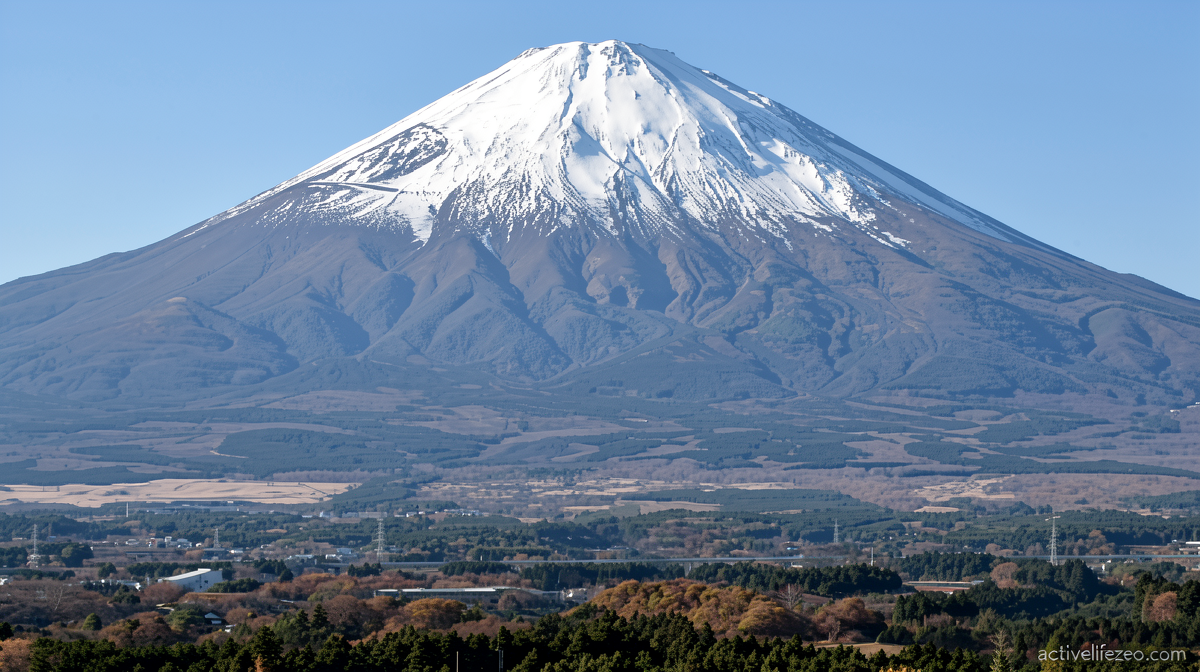
Activelifezero.com – Japan’s most iconic peak, Mount Fuji, draws millions of hikers each summer, yet its slopes remain deceptively unforgiving. On Thursday, a routine family outing turned into a five-hour ordeal for a seven-year-old boy who was left sitting by himself on a mountain bench more than halfway up the volcano, while his father and older brother pressed onward toward the summit. Police later reprimanded the father and cautioned him that his conduct could expose him to criminal liability.
What Happened on the Fujinomiya Trail
The boy had set out on the Fujinomiya route alongside his father and an older sibling. Partway up the climb, the child grew exhausted and showed clear reluctance to keep walking. Rather than turn around or find shelter for the whole group, the father instructed the boy to remain seated on a bench at the trail’s sixth station — a small hut perched at roughly 8,200 feet (2,500 meters) above sea level — and continued the ascent with the older child.
The separation lasted approximately five hours. During that interval, a worker at the hut noticed the small figure sitting alone and reported the situation to local authorities. Officers arrived at the station and took custody of the boy, who was found physically unharmed. When the father and older brother finally descended back to the sixth station, they were met by police, who returned the child to his father after issuing a formal warning.
“The officers warned the man he could be held criminally liable,” the incident record noted, adding that the father expressed his remorse upon receiving the caution.
Why the Mountain Is More Dangerous Than It Looks
Mount Fuji stands at 12,388 feet (3,776 meters), making it Japan’s tallest peak and a stratovolcano whose slopes rise sharply from coastal lowlands. The Fujinomiya trail, one of four main routes to the crater rim, climbs from roughly 4,000 feet to the summit in a single day for most visitors. That rapid gain in elevation, combined with thinning air, makes altitude sickness a recurring hazard. In past seasons, rescue teams have had to evacuate climbers suffering from headaches, nausea, and more severe hypoxia symptoms at altitudes well below the summit.
Weather on the upper slopes can shift without warning. Fog, sudden temperature drops, and gusty winds at the sixth station and above can turn a mild afternoon into a hazardous environment within minutes. A small child left unattended at that altitude faces risks that adults accustomed to the terrain may underestimate: disorientation, hypothermia, and the inability to signal for help if conditions deteriorate.
A Growing Problem on Japan’s Most-Visited Mountain
Since the pandemic-era travel restrictions lifted, visitor numbers at Mount Fuji have surged, straining trail infrastructure and rescue capacity. Local authorities in Shizuoka and Yamanashi prefectures have responded with a series of regulatory measures aimed at reducing accidents and overcrowding. Among the newest rules is a daily cap on the total number of climbers permitted on the mountain, designed to keep trail density within manageable limits for emergency services. Hikers are also now required to complete a brief orientation session covering basic safety protocols before beginning the ascent.
The Thursday incident underscores a gap that regulations alone cannot close: parental judgment at altitude. While the new safety classes address general trail hazards, they do not specifically address the decision to separate a young child from adult supervision at elevation. Police involvement in the case — from the initial worker report through the formal reprimand and criminal-liability warning — signals that authorities view unsupervised minors on high-altitude trails as a matter of public order, not merely a private family matter.
What Hikers Should Know
For families planning a Mount Fuji climb, the episode offers a practical reminder. The sixth station sits at a point where the trail narrows, shelter becomes sparse, and the next hour of climbing demands sustained effort. Children who tire at that stage are unlikely to recover quickly enough to continue safely. Turning back, resting at a lower station with full group supervision, or splitting the climb across two days are all safer alternatives to leaving a child alone on a bench while adults complete the final push.
The boy in this case was fortunate: he was found within hours, was unharmed, and was reunited with his family. But the margin between a manageable wait and a genuine emergency at 2,500 meters is thinner than most parents realize. As Japan tightens its approach to Mount Fuji safety, the expectation that every member of a hiking party — especially the youngest — remains under continuous adult supervision is likely to become not just a recommendation, but an enforceable standard.
Related Reading
Frequently Asked Questions
What is Man leaves tired 7 year old son?
Man leaves tired 7 year old son is the main topic of this guide. The article explains the context, practical details, and next steps readers should understand.
Why does Man leaves tired 7 year old son matter?
Man leaves tired 7 year old son matters because readers are looking for a useful answer, not just a short summary. Good content should match search intent and help them decide what to do next.