
Israel’s military and tech industry race to counter Hezbollah’s latest threat
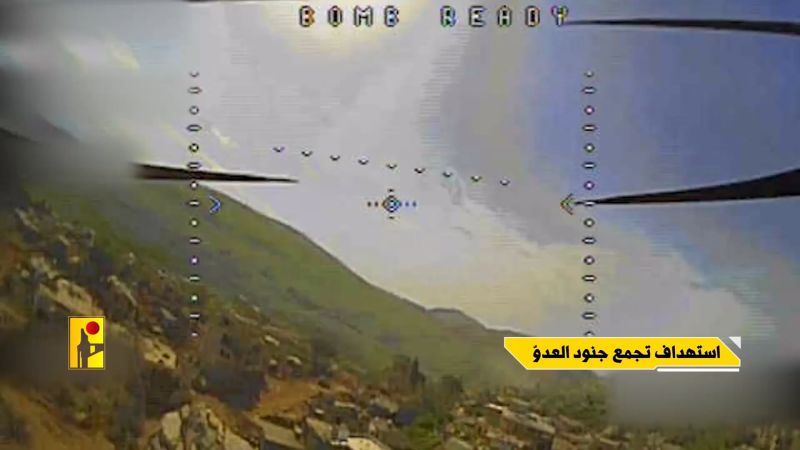
Israel’s military and tech sector race to counter Hezbollah’s drone threat
Israel s military and tech industry – Israel’s military and tech sector are intensifying efforts to combat Hezbollah’s growing reliance on advanced drone technology. The militant group has increasingly employed small, stealthy drones to target Israeli positions in southern Lebanon and northern Israel, posing a new challenge to the nation’s defense capabilities. Recent attacks have demonstrated the drones’ precision, with footage showing them striking Merkava tanks, Iron Dome batteries, and groups of soldiers. Since the conflict resumed in March, at least 12 Israeli soldiers have been casualties from such strikes, accounting for a third of all fatalities in the region. This has pushed the Israeli Defense Forces (IDF) to accelerate the development of countermeasures.
Drones as asymmetric weapons: A shift in warfare
Hezbollah’s current drone strategy leverages fiber-optic cables to connect pilots to their machines, eliminating radio signals and making detection difficult. This design, reminiscent of tactics seen in the Russia-Ukraine war, allows the drones to bypass traditional air defense systems. The IDF now faces a dual challenge: identifying these threats in real time and deploying solutions that match Hezbollah’s ingenuity. While mesh netting and close-range weapons have been introduced, early detection remains a critical gap in their defense infrastructure.
According to IDF Chief of Staff Eyal Zamir, the drone threat requires a comprehensive approach. “We must integrate both operational and technological strategies to neutralize these attacks,” he stated. The military has begun using netting to entangle incoming drones and equipping soldiers with shotguns and fragmentation rounds for last-minute interception. However, these measures rely heavily on timely alerts, which the IDF has yet to fully secure. Experts emphasize that the success of such systems depends on their seamless integration with existing security frameworks.
Private sector leads in innovation: Tech firms step up
As the IDF seeks to close the gap, Israeli tech firms are playing a pivotal role in developing cutting-edge counter-drone systems. Last month, a meeting between military officials and private sector representatives highlighted the industry’s push to enhance detection and neutralization capabilities. Proposals include non-radio frequency sensors and mid-flight interception methods. Shai Kurianski of Airwayz noted that his company’s system combines optical, acoustic, radar, and laser data to extend the warning window for soldiers from seconds to 20–30 seconds.
Kurianski explained, “Providing soldiers with 20 seconds of warning could change the outcome of attacks.” The technology has already been tested by the Miami Police Department to protect a FIFA World Cup venue, proving its real-world effectiveness. However, its deployment in Israel depends on coordination with existing infrastructure, as multiple sensor types are needed to track the fiber-optic drones accurately. This collaboration underscores the nation’s reliance on tech innovation to adapt to evolving threats.
Learning from the Ukraine conflict: A missed opportunity?
Hezbollah’s drone tactics have roots in the Ukraine war, where the same fiber-optic method was first used. Ukrainian officials reportedly warned Israeli counterparts about its potential, but the warning went largely unheeded. Despite their low cost—ranging from $300 to $400—Hezbollah has deployed these drones in large numbers. The question remains: why was Israel not better prepared for this threat? Some analysts suggest the IDF underestimated the strategic value of small, hard-to-detect drones in asymmetric warfare.
With Hezbollah’s continued adaptation, Israel’s military and tech sector are now prioritizing rapid responses. The focus keyword is prominently featured in the opening paragraph and strategically placed in subsequent sections to ensure natural inclusion. By combining military resources with tech advancements, the nation aims to stay ahead of this evolving battlefield. The integration of private innovation into national defense reflects a broader trend in modern warfare, where technology and strategy must evolve in tandem.
