Five years after the Taliban won, Afghanistan is still losing

Daftar Isi
A Nation in Crisis: Afghanistan’s Women Face Unprecedented Hardship Five Years After Taliban Takeover
Activelifezero.com – Half a decade has passed since the dramatic American departure from Kabul, yet Afghanistan continues to deteriorate into one of the most severe humanitarian catastrophes globally. The Taliban’s resurgence to power coincided with a convergence of political, economic, and environmental disasters that have devastated millions of lives. While American citizens and policymakers gradually turned their attention elsewhere, the Central Asian nation has experienced a systematic dismantling of women’s rights and a collapse in essential services.
The Humanitarian Emergency Deepens
Approximately forty-five percent of Afghanistan’s population requires some form of humanitarian assistance, yet international support has shrunk considerably since the Taliban reestablished control. The United States, historically the largest single contributor to Afghan development and humanitarian programs, has fallen outside the top five donor nations entirely. This reduction in financial support arrives at a critical moment when the country faces compounding challenges including drought, economic instability, and political isolation.
The Trump administration’s decision in early 2025 to terminate nearly all USAID contracts in Afghanistan removed more than $1.7 billion in anticipated funding. This withdrawal has created immediate operational challenges for organizations delivering food, healthcare, and educational services across the country. Humanitarian funding overall has declined by nearly seventy percent since 2022, according to United Nations assessments.
Systematic Erosion of Women’s Rights
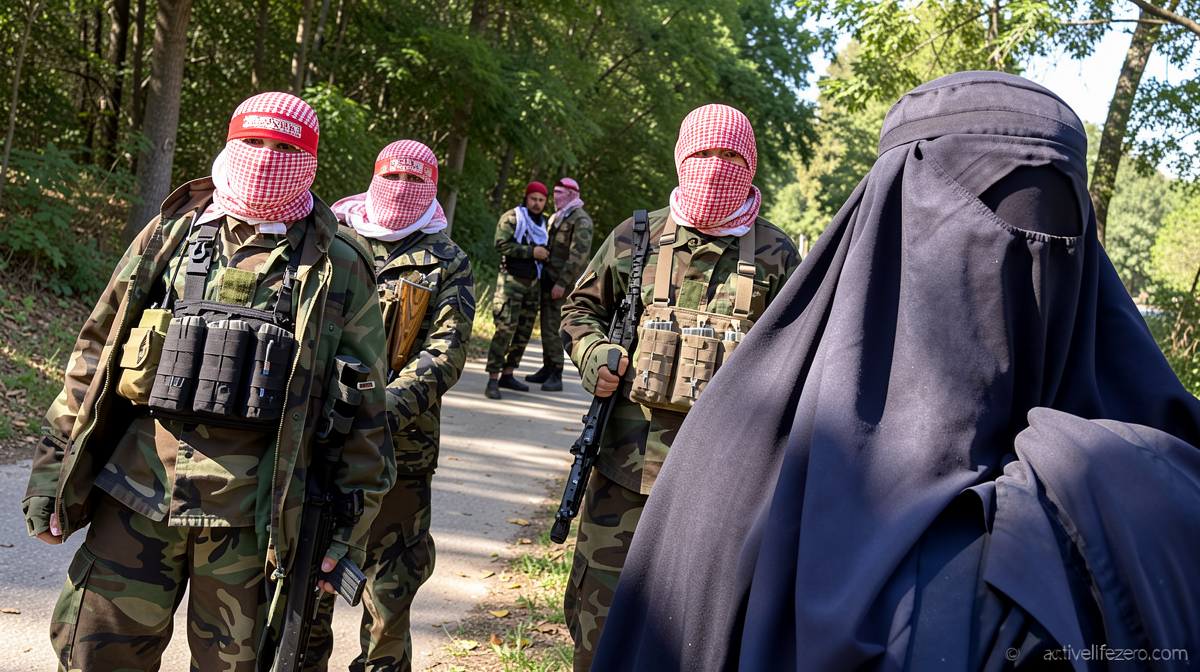
International human rights experts have characterized the Taliban’s treatment of women as “gender apartheid,” a system that legally and socially separates women from full participation in public life. The regime has effectively removed half of Afghanistan’s population from schools, workplaces, and public spaces. Women face restrictions on employment, mandatory face coverings in public areas, and limitations on travel without male accompaniment.
UN Women data indicates that fifty percent of Afghan women now leave their homes only one or two times per month. This profound isolation has triggered what experts describe as a mental health emergency. Seven out of ten women report their psychological wellbeing as either “bad” or “very bad,” reflecting the cumulative toll of restricted movement, limited social interaction, and economic uncertainty.
An Education Lost for a Generation
Afghanistan stands alone globally as the only nation prohibiting girls from attending school beyond the sixth grade. This prohibition has persisted long enough that an entire generation of adolescent girls has matured without experiencing secondary education. UNESCO estimates that 2.4 million girls remain excluded from formal schooling, creating what educators warn could be a permanent loss of human capital for the country.
The educational ban intersects with broader restrictions on women’s mobility and employment, creating compounding barriers to development. Women-led organizations, which have historically played crucial roles in community development and service delivery, face existential threats. More than half of surveyed women-led organizations anticipate closing or suspending operations within twelve months due to funding shortfalls and operational restrictions.
Legal Changes Sanction Violence
Recent legislative decrees have further entrenched discrimination against women. In March, the Taliban issued a ruling permitting men to physically discipline their wives provided the punishment does not result in broken bones or permanent visible injuries. Another decree complicated divorce proceedings for women while simultaneously eliminating the minimum legal marriage age of sixteen years.
Human rights organizations including Amnesty International and the UN Committee on the Rights of the Child have expressed concern that these changes effectively legitimize child marriage, which has increased steadily since the Taliban’s return to power. The legal framework now provides men with greater authority over women’s lives while reducing protections for girls and young women.
Voices from Within Afghanistan
Local activists describe a situation growing increasingly untenable. Mahbouba Seraj, one of the few prominent Afghan women activists who remained in Kabul following the Taliban’s takeover, told CNN she is considering departing the country. “I cannot continue working this way because I haven’t been any help to any one of the Afghan women that needed me,” Seraj explained. “I haven’t been able to do it because nobody allows me to. And the women… all of their rights have been taken away from them.”
John Sopko, the former Special Inspector General for Afghanistan Reconstruction, offered a stark assessment of the situation. “To be very blunt, it’s hell if you’re a woman in Afghanistan,” he stated. Sopko criticized both the Taliban government and international actors, particularly noting that the Trump administration appeared to be “creating a bigger mess for the poor people of Afghanistan” through its withdrawal of support.
Looking Forward
The situation in Afghanistan presents a complex challenge for the international community. With 10.7 million women and girls dependent on humanitarian assistance, the reduction in funding threatens to push millions further into poverty and vulnerability. The combination of legal discrimination, economic hardship, and social isolation creates conditions that could persist for years to come.
As Afghanistan enters its sixth year under Taliban rule, the question remains whether the international community will reengage with renewed commitment or allow the crisis to deepen. For the women and children of Afghanistan, particularly those who cannot leave, the future hangs in the balance.
“To be very blunt, it’s hell if you’re a woman in Afghanistan,” John Sopko, the former Special Inspector General for Afghanistan Reconstruction told CNN on Thursday. “And I don’t see the international community, I definitely don’t see this government – the Trump administration – doing anything, anything at all about it. If anything, they’re creating a bigger mess for the poor people of Afghanistan.”
“I cannot continue working this way because I haven’t been any help to any one of the Afghan women that needed me. I haven’t been able to do it because nobody allows me to. And the women… all of their rights have been taken away from them. And if anybody says anything about it, we are wrong. We are not supposed to say it, but this is exactly what has happened,” Mahbouba Seraj said.
Related Reading
Frequently Asked Questions
What is Five years after the Taliban won Afghanistan?
Five years after the Taliban won Afghanistan is the main topic of this guide. The article explains the context, practical details, and next steps readers should understand.
Why does Five years after the Taliban won Afghanistan matter?
Five years after the Taliban won Afghanistan matters because readers are looking for a useful answer, not just a short summary. Good content should match search intent and help them decide what to do next.