Argentina’s Milei vows tougher Falklands oil sanctions, deepening dispute with Britain

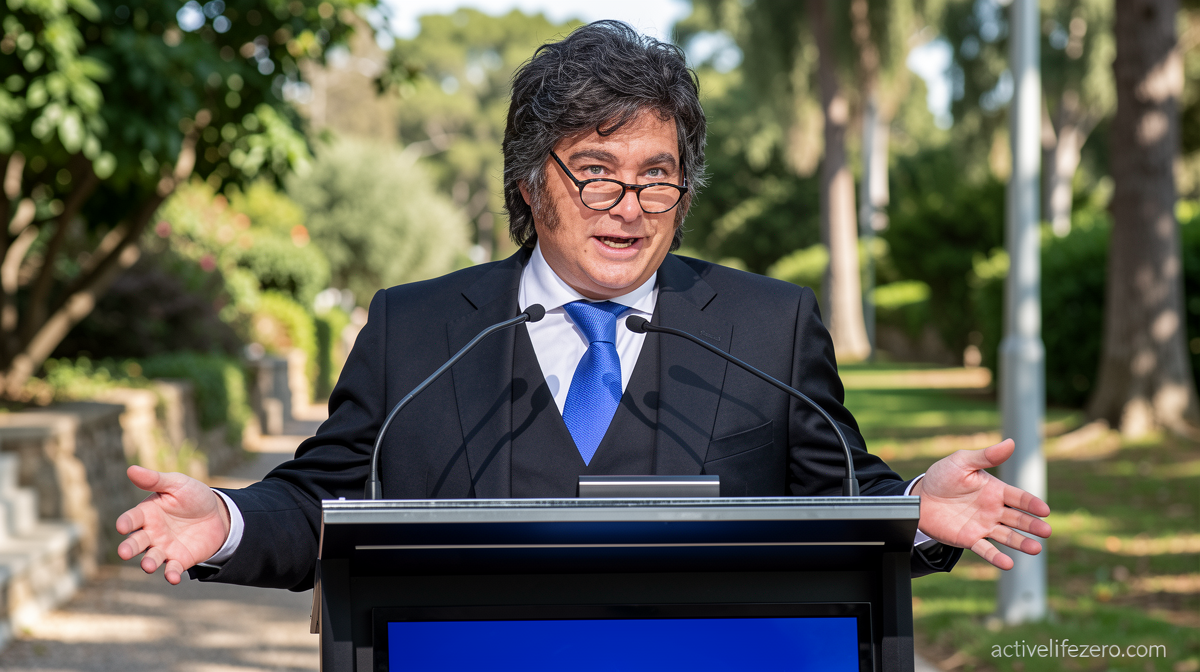
Argentina’s Milei Vows Tougher Oil Sanctions
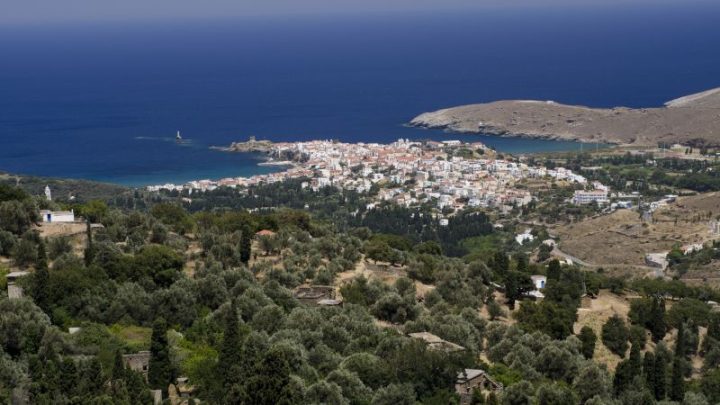
Activelifezero.com – Argentina’s Milei vows tougher economic measures against energy firms operating near the Falkland Islands, marking a sharp escalation in a decades-long sovereignty standoff with Britain. Speaking late Thursday, President Javier Milei unveiled a sanctions package aimed at penalizing companies that service hydrocarbon projects in waters Argentina considers its own. The libertarian leader framed the action as both a legal obligation and a geopolitical necessity, insisting the archipelago has belonged to Buenos Aires since time immemorial and that British administrative control does not alter that status.
“The Falkland Islands are Argentinian, historically and legally. There is no debate,” Milei declared.
Sanctions Targeting an Offshore Oil Venture
The immediate catalyst is an offshore oilfield development along the Falklands’ coast, run by a joint Israeli-British enterprise. Milei labeled the project a “concrete and urgent danger,” arguing it is advancing toward actual extraction without any authorization from Buenos Aires. He warned that inaction would grant operators a decisive operational edge within months.
“If we fail to act, we will find ourselves facing a situation where they possess the physical capacity to take the oil reserves that lie beneath our waters,” he cautioned.
To give the measures real bite, the president outlined a legislative amendment extending penalties beyond the directly operating company to any firm supplying logistics, engineering, financial, or other services to entities engaged in hydrocarbon exploitation in the contested zone. He warned that unchecked progress would hand London a pretext to entrench its presence further, creating “an incentive for the UK to deepen its occupation” while enabling continued exploitation of resources Argentina claims as its own.
Tierra del Fuego Naval Buildout
Alongside the sanctions framework, Milei announced a substantial budget increase for constructing a naval base in Tierra del Fuego, Argentina’s most southerly province. He positioned the investment as a means of strengthening the nation’s strategic posture in the southern hemisphere and establishing a critical logistics node for maritime operations. The facility would sit roughly 500 kilometers from the Falklands, placing Argentine naval assets within operational reach of the disputed waters.
A Sovereignty Wound That Will Not Close
The question over the islands—called the Malvinas in Argentina—has defined Anglo-Argentine relations since Britain took effective control of the archipelago in 1833. The dispute erupted into open warfare in 1982, when Argentina’s military junta dispatched troops to occupy the islands. The conflict lasted roughly seven weeks and ended in Argentine surrender, costing the lives of 645 Argentine servicemen and 255 British military personnel.
For generations of Argentines, the outcome remains a source of national humiliation. Politicians across the spectrum face constant public pressure to champion the claim, and the issue surfaces repeatedly in cultural moments. Most recently, in July, Argentine football players unfurled a banner reading “the Malvinas are Argentine” after their team’s World Cup semi-final victory over England, drawing global attention to the unresolved grievance.
Trump’s Oblique Signals Rattle the Status Quo
Milei’s hardline posture arrives against a backdrop of shifting American signals. Washington has historically maintained strategic ambiguity on the sovereignty question—acknowledging British de facto administration while never formally endorsing London’s title. Recent remarks by US President Donald Trump, however, have introduced uncertainty into that long-standing posture.
In an interview broadcast Thursday on British outlet GB News, Trump sidestepped a direct question about whether Washington would come to Britain’s military aid in a renewed Falklands conflict. His response was characteristically oblique:
“Well look, I was there when they had the first war. That was a long time ago and I watched it so carefully, and you comported yourselves very well. You took it back pretty strongly, but it’s a long way away. That’s a big trip, it’s a long way,” he said.
He also revisited what he described as Britain’s insufficient contribution to the US-led bombing campaign against Iran, recalling a conversation with former British prime minister Keir Starmer in which the latter explained the country lacked the capacity to match American strike intensity at the time.
Frequently Asked Questions
What exactly does the new sanctions package cover? The measures target energy companies operating hydrocarbon projects in waters adjacent to the Falklands, and—under the proposed legislative amendment—extend to any firm providing logistics, engineering, financial, or other services to those operators.
How far is the planned Tierra del Fuego naval base from the Falklands? Approximately 500 kilometers, placing Argentine naval assets within operational reach of the disputed waters.
What was the outcome of the 1982 Falklands War? The roughly seven-week conflict ended in Argentine surrender. It cost 645 Argentine servicmen and 255 British military personnel their lives.
Has the United States formally recognized British sovereignty over the Falklands? No. Washington has maintained a position of strategic ambiguity, acknowledging British de facto administration without formally endorsing London’s title.