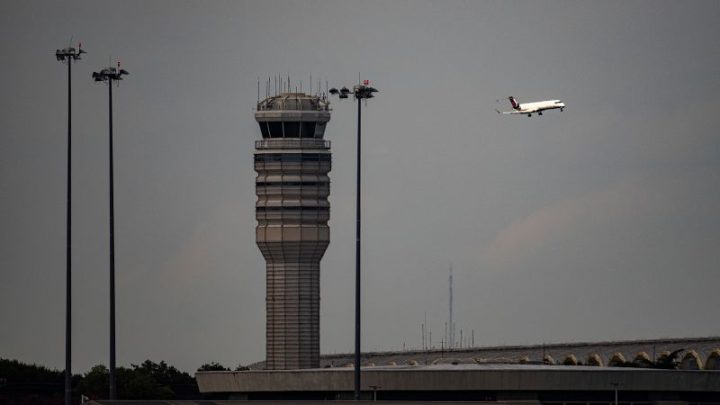
A mechanic left a work light in the wing of a Qantas jet. It flew for two days before anyone found it

Daftar Isi
A 13-Inch Work Light Rode Along in a Qantas A380 Wing for Two Full Days
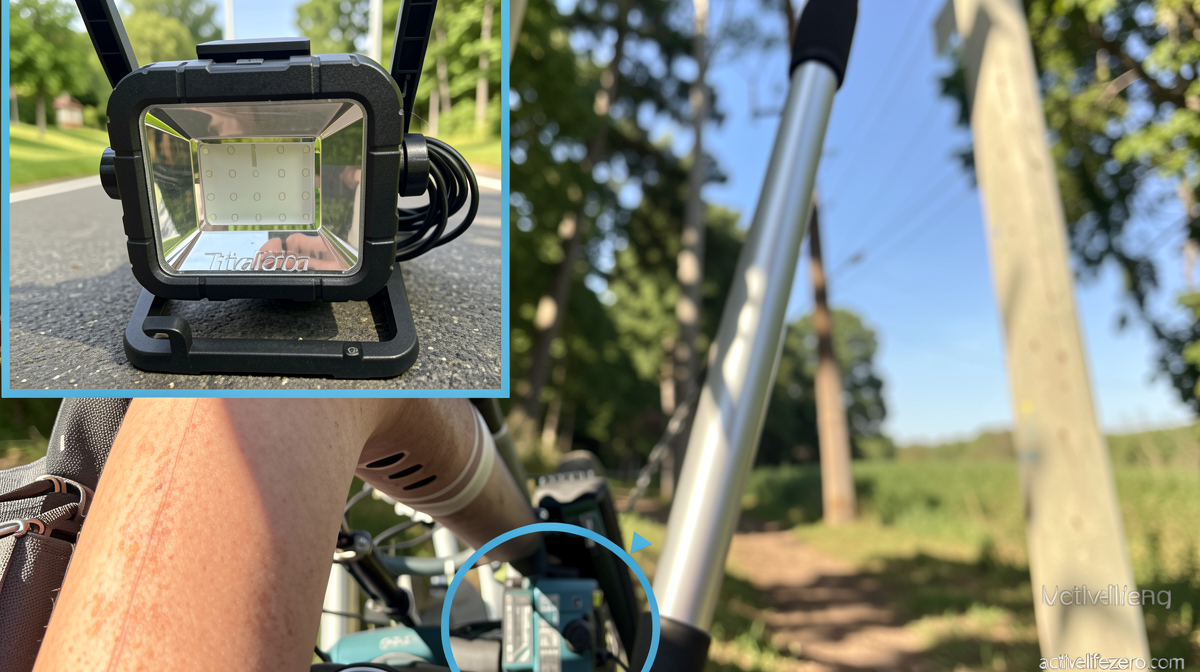
Activelifezero.com – A battery-powered work lamp, roughly the height of a standard smartphone, sat tucked inside the left wing of a fully loaded passenger jet while it crossed the Pacific and back. Hundreds of passengers boarded, flew to Dallas, and returned to Sydney without ever knowing a maintenance tool was resting among the structural components of the aircraft. Australian safety investigators confirmed the episode on Monday, describing a chain of procedural failures that allowed the light to remain undetected through two complete flight cycles.
How the Light Got There — and Stayed
The aircraft in question was a Qantas Airways Airbus A380 that had been grounded for air-conditioning maintenance beginning on January 7. Two technicians were replacing a sensor in the climate-control system when they positioned the portable light inside the wing cavity to illuminate their work area. After completing the sensor swap, they switched the lamp off but never retrieved it from the structure.
The tool had been formally checked out at the start of the shift. A maintenance engineer scanned the light’s barcode into the airline’s inventory system, logging it against that specific aircraft. Under standard procedure, every item signed out must be signed back in before the shift ends. In this case, neither the returning-tool check nor the end-of-shift unreturned-tool verification flagged the missing lamp. A separate engineer who later performed a foreign-object search of the work area also failed to spot the light wedged inside the wing.
“The maintainers did not identify that a work light had remained in the left wing during their foreign object clearance inspections,” the Australian Transport Safety Board stated in its published report. “In addition, while returning the tools, the maintainer did not identify that the work light had not been returned and the unreturned tool check at the end of the shift also did not identify the unreturned light.”
The Two-Day Gap
With the wing sealed and the aircraft cleared for departure, the A380 departed Sydney bound for Dallas Fort Worth International Airport. It completed the transpacific crossing, spent time on the ground in Texas, and flew back to Sydney — all while the 13-inch lamp remained inside the wing structure. No flight anomalies were attributed to the object, and Qantas confirmed the light had no operational impact on either leg of the journey.
The discovery came not from a physical inspection but from a paperwork audit. After the aircraft’s return, an employee reviewing the airline’s unreturned-tool report noticed that a work light had been signed out against the aircraft two days earlier and never signed back in. The engineer who had originally checked the item out was contacted and could not confirm whether the lamp had been returned, raising the possibility that it was still inside the wing.
“They identified that two days earlier, a work light had been signed out against (the plane) and had not been returned,” the report noted. The maintenance engineer who checked it out “could not confirm if the work light had been returned and raised the possibility that it remained in the aircraft wing.”
Qantas Responds: Tighter Controls Ahead
The airline voluntarily reported the event to the ATSB rather than waiting for a regulatory inquiry. In a public statement, a Qantas spokesperson outlined corrective steps already underway.
“Qantas reported this event to the ATSB and since the event, have strengthened our tool control procedures, including introducing a mandatory pre-clearance check to confirm all tooling is accounted for following maintenance,” the spokesperson said.
The new mandatory pre-clearance check is designed to close the gap that allowed the light to slip through multiple verification layers. Under the revised protocol, no aircraft may be released to service until every item on the sign-out list has been physically confirmed present and logged back in — a step that, in this incident, was either skipped or performed without adequate visual confirmation of the wing cavity.
A Pattern Worth Watching
This was not an isolated lapse for the carrier. In December 2023, the ATSB recorded a separate incident in which a tool was left inside an engine of another Qantas A380 after three days of maintenance at Los Angeles International Airport. That aircraft completed 34 flights over roughly a month before the item was located. The recurrence within the same fleet and the same airline underscores how easily procedural fatigue can erode even well-designed control systems.
The stakes of foreign-object events in aviation are not merely administrative. In 2020, a one-inch removable screwdriver tip that had gone missing across more than 100 flights ultimately caused substantial damage to the engine of a Jetstar Airlines Airbus A320 during takeoff. No passengers were injured in that event, but the episode illustrated how a tiny, easily overlooked item can accumulate enough kinetic energy at speed to compromise critical rotating machinery.
For airlines operating widebody fleets across multiple continents, the margin between a forgotten lamp and a catastrophic foreign-object ingestion is often nothing more than the diligence of a single checklist step. The Qantas incident, while ultimately harmless in outcome, exposed how many redundant checks can all fail simultaneously when the object in question is small, dark, and tucked into a cavity that is difficult to inspect visually. The airline’s decision to introduce a hard-stop pre-clearance verification — rather than relying on memory or informal spot-checks — represents a structural change aimed at ensuring that no future work light, sensor, or fastener rides along unnoticed for two days over the Pacific.
Related Reading
Frequently Asked Questions
What is A mechanic left a work light?
A mechanic left a work light is the main topic of this guide. The article explains the context, practical details, and next steps readers should understand.
Why does A mechanic left a work light matter?
A mechanic left a work light matters because readers are looking for a useful answer, not just a short summary. Good content should match search intent and help them decide what to do next.