A 30-year wait for justice in Tupac’s killing ends with a murder conviction in under 3 hours

Daftar Isi
After Nearly Three Decades, a Jury Delivers Verdict in the Tupac Shakur Murder Case
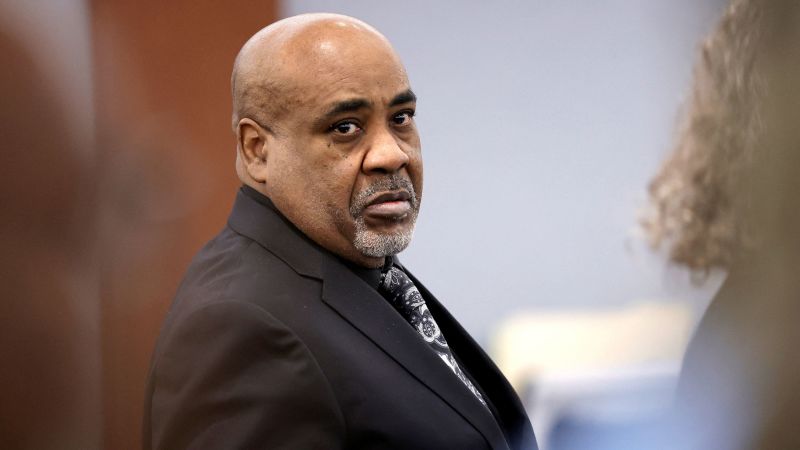
Activelifezero.com – In a Clark County, Nevada, courtroom just under seven miles from the strip of Las Vegas where a bullet tore through his lung in September 1996, twelve jurors returned a unanimous first-degree murder conviction against Duane “Keffe D” Davis in less than three hours. The verdict made the 63-year-old former South Side Compton Crips leader the first person ever held criminally responsible for the death of one of hip-hop’s most iconic figures. The timing carried an almost symbolic weight: the jury reached its decision exactly two weeks before the 30th anniversary of Shakur’s death.
The Verdict Moment
When the court clerk read the words aloud, the Shakur family’s long-held composure fractured. His sister, Sekyiwa “Set” Shakur, wept quietly while other relatives clasped hands and embraced one another. Across the aisle, Davis’ son, Duane Davis Jr., pressed a hand to his face. Davis himself wore a blank expression as the verdict was delivered, but the moment he turned to leave the courtroom, he raised a fist and asked the judge for an appeal — a signal that the family’s decades-long pursuit of accountability may extend well beyond this single proceeding.
“The family of Tupac Amaru Shakur is elated and relieved by today’s verdict,” the family said in a statement released Monday through their attorney. “We would like to thank the jury for thoughtfully fulfilling their duty and carefully listening to all the evidence.”
What the Prosecution Built
The four-week trial turned almost entirely on one question: could the jury believe Davis’ own account of where he was and what he did on the night of September 7, 1996? Prosecutors marshaled his recorded statements to police alongside passages from his 2019 memoir, Compton Street Legend, in which he described sitting in the passenger seat of the vehicle from which Shakur was shot, and declared the killing justified. The state’s theory was that Davis did not pull the trigger himself but served as the “shot caller” — the architect of a retaliatory ambush planned in response to an earlier attack on his nephew, Orlando “Baby Lane” Anderson, a fellow member of the South Side Compton Crips.
Chief Deputy District Attorney Binu Palal framed the memoir’s commercial success as a moral indictment. During his closing argument on Monday, Palal told the jury that Davis had been
“profiting off a murder.”
The Defense Case
Michael Sanft, Davis’ defense attorney, attacked the prosecution’s narrative from multiple angles. He characterized his client as a self-promoter who wrote the book for fame and revenue, then pointed to contradictions between Davis’ various recorded statements over the years. Sanft also drew attention to institutional dysfunction in the Compton Police Department — a force disbanded in 2000 amid corruption scandals — arguing that early investigative shortcuts had poisoned the evidentiary record.
Most pointedly, Sanft emphasized the absence of any physical link between Davis and the crime scene. No murder weapon was ever recovered. No DNA sample or fingerprint placed him at the location. At one point he floated the suggestion that Davis might not even have been in Nevada on the night Shakur was shot. Two figures who could have testified directly — Marion “Suge” Knight, the Death Row Records CEO who was driving the car Shakur rode in, and Sean “Diddy” Combs, who was seated beside him — never took the stand, despite both being named on the state’s witness list.
The Knight Question
Clark County District Attorney Marc DiGiacomo offered two explanations for Knight’s absence from the witness box:
“One, he’s not credible. And two, he has the Fifth Amendment privilege, so we’re just not bringing it.”
Knight, currently imprisoned in San Diego, did provide a written statement to the state. DiGiacomo declined to disclose its full contents in open court but noted that Knight, in that statement,
“confirms that Mr. Davis was involved in the homicide.”
What Comes Next
Davis is being held without bail and faces sentencing on October 13. Under Nevada law, a first-degree murder conviction carries a potential life sentence without the possibility of parole — meaning the former gang leader could spend his remaining years behind bars. His request for an appeal suggests the case will not end with that sentencing date.
The youngest juror in the box was 21 years old — born roughly a decade after Shakur was gunned down in a drive-by shooting outside a Las Vegas nightclub. For that juror, the rapper existed almost entirely as a cultural monument before ever sitting down to weigh the evidence. The courthouse where the verdict was read sits less than two miles from the hospital where Shakur lingered on life support for several days before dying. The geographic proximity compressed three decades of unresolved grief into a single afternoon.
Shakur, who had become an international superstar celebrated for lyrics laced with political commentary and raw autobiographical detail, was shot multiple times while riding in the passenger seat of Knight’s vehicle. One bullet destroyed his lung. He never regained consciousness. For nearly thirty years, no one stood trial for that killing. The conviction handed down Monday closes that gap — at least for now — and places the question of proportionate punishment squarely before a Nevada judge.
Related Reading
Frequently Asked Questions
What is A 30 year wait for justice?
A 30 year wait for justice is the main topic of this guide. The article explains the context, practical details, and next steps readers should understand.
Why does A 30 year wait for justice matter?
A 30 year wait for justice matters because readers are looking for a useful answer, not just a short summary. Good content should match search intent and help them decide what to do next.