
Buckingham Palace is a must-see for tourists. So why don’t the royals want to live there?
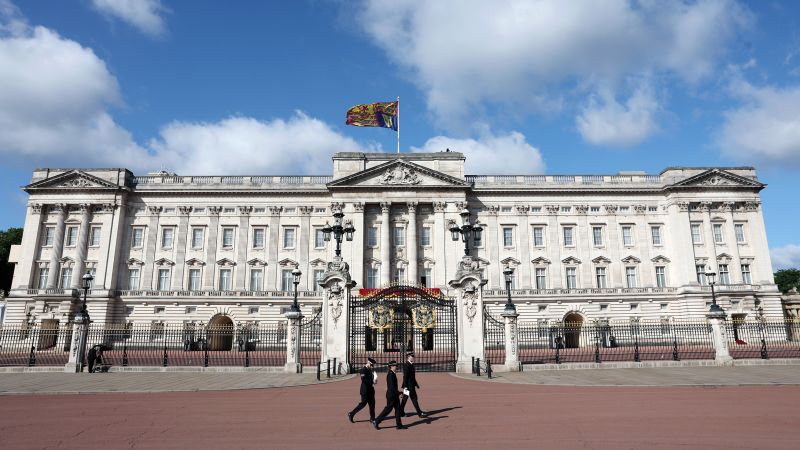
Buckingham Palace is a Must-See for Tourists. So Why Don’t the Royals Want to Live There?
Buckingham Palace is a must see – Buckingham Palace, the iconic royal residence in London, has long been a symbol of British heritage and a focal point for tourists eager to glimpse the monarchy’s grandeur. However, the current sovereign, King Charles III, has recently deviated from a centuries-old tradition by choosing to reside at Clarence House rather than returning to the palace after its £369 million ($488 million) renovation. This shift has sparked curiosity among visitors and historians alike, raising questions about the evolving role of the palace in royal life.
A Royal Legacy of Splendor
Since 1837, Buckingham Palace has served as the official London home of the British monarch, a status it has held for nearly two centuries. Queen Victoria was the first to inhabit it, moving there shortly after ascending the throne. While the royal family has maintained a presence in the palace, they have also spent significant time at other retreats, such as Windsor Castle and Balmoral in Scotland. Yet, every ruler since Victoria has considered the palace their primary residence, making Charles III’s decision a notable departure.
The latest renovation, which began in April 2017, is described as “far more than cosmetic” by Natasha Brown, an expert in historical building conversions. The project includes essential upgrades to electrical, plumbing, and mechanical systems, as well as fire protection measures and asbestos removal. These changes were necessary after years of wear and tear, highlighted by an incident in 2007 where Princess Anne narrowly avoided injury from falling masonry. The restoration, costing £10.1 million ($13.4 million) for asbestos alone, has transformed the palace into a modern hub while preserving its historical essence.
Charles III’s New Residence
King Charles III, who has resided at Clarence House since 2003, will continue to call it home after the renovation concludes next year. Buckingham Palace, though no longer a private residence, will remain the administrative center of the monarchy. A palace spokesperson emphasized,
“Buckingham Palace will be a bustling hub of royal activity in every other way. His Majesty retains a deep affection for the palace and respects its role in both royal and public life.”
This statement underscores the building’s significance beyond its residential function, especially as a venue for ceremonial events.
James Chalmers, the King’s treasurer and Keeper of the Privy Purse, added,
“It is and will remain the monarchy’s HQ, the crown jewel of our national buildings. The sovereign’s standard will fly proudly from the roof whenever His Majesty is in London.”
Despite Charles’s absence, the palace will still host official functions, including meetings with foreign dignitaries, ensuring its place as a key symbol of the monarchy’s enduring presence.
Historical Context and Royal Adaptations
The palace’s history dates back to 1761, when George III purchased it for Queen Charlotte and their children. It wasn’t until George IV’s reign that the structure was transformed into a grand palace, with John Nash commissioned to expand it. However, George III’s death in 1820 meant the project was unfinished, leaving William IV to take over. He opted for Clarence House as his preferred residence, even offering Buckingham Palace to the Houses of Parliament after they were destroyed in 1834. Parliament declined, and the palace remained the royal home.
Queen Victoria, who moved into the palace in 1837, expanded its footprint with the addition of the East Wing in 1845. This expansion, which faced delays due to funding issues, brought the total number of rooms to 775, including 78 bathrooms. The building’s size and opulence have made it a landmark, but its function has also evolved. For instance, Victoria withdrew from public life after her husband, Prince Albert, died in 1861, leading to a note left on the palace fence in 1864:
“These commanding premises to be let or sold, in consequence of the late occupant’s declining business.”
While this was a temporary setback, the palace was later restored to its former glory.
The Cost of Modernization
The £369 million renovation project reflects the financial commitment required to maintain the palace’s status as a functioning royal estate. The cost of asbestos removal alone was £10.1 million ($13.4 million), a critical part of the overhaul to ensure safety and efficiency. These expenses highlight the balance between preserving historical value and adapting to contemporary needs.
Charles III’s choice to stay at Clarence House aligns with a pattern seen in the past. William IV, for example, preferred the more modest Clarence House, even as Buckingham Palace became a symbol of royal power. Similarly, Queen Elizabeth II temporarily moved to Windsor Castle during the pandemic, citing ongoing building work. This decision, while pragmatic, also signaled a shift in how the monarchy manages its public and private spaces.
Visitors’ Perspectives
Despite the royal family’s absence, the palace remains a magnet for tourists. Many visitors express a desire to see the building itself rather than its inhabitants. “Whether or not the King lives there or not is not consequential to us,” one traveler remarked to Reuters. Others, however, feel the magic of the palace diminishes without the royals inside. “A palace without its inhabitants feels less alive,” another visitor said, reflecting the emotional connection many have to the site.
For the palace’s staff and the public, the renovation brings both anticipation and uncertainty. While the building’s modernization ensures its continued relevance, the question remains: will the absence of the royal family affect its allure? The answer may lie in the palace’s ability to adapt, blending tradition with contemporary appeal. As Charles III’s decision marks a new chapter, the legacy of Buckingham Palace endures, not only as a monument to history but as a testament to the evolving nature of royal life.
A Future of Symbolism
Although the palace is no longer the monarch’s private home, its role as a symbol of the monarchy is unshaken. The renovation has equipped it with modern amenities, yet its historical character remains intact. This duality—of being both a functional administrative center and a timeless icon—ensures its place in the national imagination. As Charles III continues his reign, Buckingham Palace stands as a bridge between the past and the present, embodying the enduring power of royal tradition in a changing world.
