
Trump claims a glorious win streak — but history is keeping score
Trump claims a glorious win streak — but history is keeping score
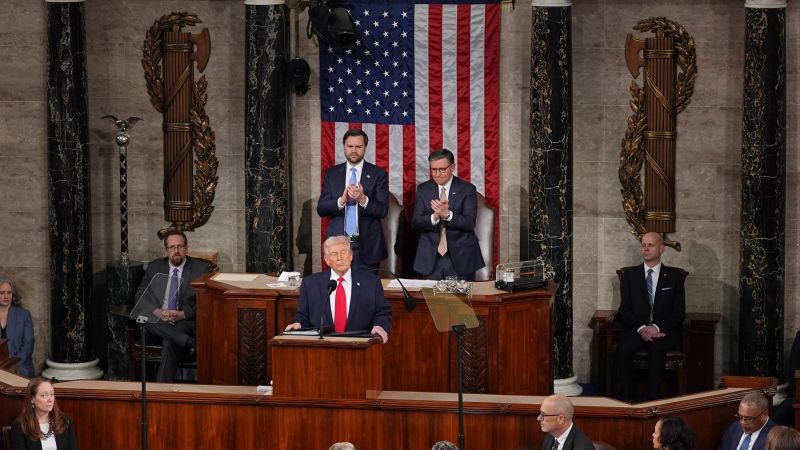
Trump claims a glorious win streak – During his February State of the Union speech, President Donald Trump introduced a fresh take on a recurring phrase. “Please, please, please, Mr. President, we’re winning too much; we can’t take it anymore,” he said, implying that some citizens were overwhelmed by an avalanche of unprecedented success. As the nation moves into the summer months, Trump continues to project an image of unbroken triumph, heralding his efforts to reinvigorate the United States on its 250th birthday. Yet, amid the celebratory rhetoric, the Supreme Court’s recent decisions have cast a shadow over his claims, revealing both his strengths and vulnerabilities in shaping the country’s trajectory.
Supreme Court’s Role in Trump’s Legacy
Over the past year, the Supreme Court has played a pivotal role in amplifying Trump’s authority. The conservative majority, echoing his vision of a more assertive executive branch, has consistently endorsed policies that align with his leadership style. This alignment is particularly evident in the court’s handling of immigration and trade, where Trump has secured victories that bolster his narrative of restoring American dominance. However, the court has also acted as a check on his ambitions, ensuring that his policies remain grounded in constitutional law.
“We keep that promise today,” Chief Justice John Roberts wrote in a recent ruling, emphasizing the clarity of the 14th Amendment’s intent. This statement underscores the court’s role in balancing Trump’s push for expansive presidential power with the framework of the Constitution.
One of the most notable setbacks came in February when the court ruled against Trump’s trade policies, dismissing his unilateral imposition of tariffs as unconstitutional. This decision marked a clear boundary for executive power, even as Trump celebrated his earlier successes in reshaping international trade agreements. Similarly, on Tuesday, the court struck down his executive order to eliminate birthright citizenship, a cornerstone of his “MAGA wish list.” While these rulings have tempered his agenda, they have also solidified his reputation as a transformative leader.
Domestic Impact and GOP Dynamics
Trump’s influence on the Republican Party remains a defining feature of his presidency. He has consistently dominated the party’s narrative, often leveraging his leadership to marginalize opponents. This is evident in his primary victories over lawmakers who challenged his policies, effectively reshaping the GOP’s direction. However, recent developments suggest his grip may be weakening. The GOP House majority’s internal turmoil, particularly following Tuesday’s legislative outcomes, has raised concerns about his ability to maintain control over the party’s agenda.
Despite these challenges, Trump continues to frame his achievements as a testament to his leadership. His claim of a “glorious win streak” is bolstered by policies that have resonated with his base, such as the immigration approach that has defined his tenure. Yet, as the court’s decisions show, his successes are not without controversy. The balance between his assertive leadership and constitutional constraints remains a central theme in his administration’s legacy.
Global Standing and Unseen Costs
On the international stage, Trump asserts that the United States is now a force to be reckoned with. “We’re respected by everybody. Nobody’s laughing at us anymore,” he proclaimed during the opening of the Great American State Fair last week. “We’re not a joke anymore. (We’re the) most powerful country in the world.” This statement reflects his belief that his policies have restored America’s global prestige. However, experts argue that the reality is more complex.
While Trump highlights the dramatic special forces raid that captured Venezuelan leader Nicolás Maduro as proof of American might, his approach to global leadership has sparked debates about its effectiveness. The war with Iran, initiated with military strikes, has seen the United States grappling with a stalemate. Trump’s memorandum of understanding to end the conflict, though framed as a victory, has been criticized for offering Iran significant concessions without tangible gains.
At the NATO summit in Turkey, Trump is expected to bask in the increased defense spending pledged by alliance members. Secretary General Mark Rutte, who visited the Oval Office last week, presented a chart titled “The Trump Trillion,” symbolizing the alliance’s commitment to bolstering security. Yet, the true test of this commitment will come next week, when Trump scrutinizes whether member nations have fulfilled their promises. If the U.S. emerges from this summit with renewed influence, it could reinforce his claim of global dominance. But if dissent lingers, it may expose the fragility of his international standing.
Legacy and the Long View
As Trump enters his second term, the question remains: will his achievements endure beyond the current administration? His ability to craft a legacy through landmark decisions and policy triumphs is undeniable, but history often favors leaders whose impact transcends their time in office. The Supreme Court’s rulings, while aligning with his vision in some areas, also serve as reminders of the checks and balances that define American governance.
Trump’s dominance in the Republican Party is another factor in his legacy. By primarizing lawmakers who opposed his policies, he has ensured a steady stream of allies in Congress. Yet, the party’s growing divisions suggest that his influence may not be as unshakable as he claims. The anti-Trump faction in the Senate, for instance, has been actively blocking his efforts to pass legislation that could reshape the country’s electoral landscape. These challenges highlight the tension between his leadership and the evolving political landscape.
Ultimately, Trump’s win streak is a mixture of bold assertions and strategic victories. While his policies have reshaped domestic and international affairs, the long-term effects of these decisions are still unfolding. The Supreme Court’s role in validating his authority is significant, but the court’s occasional rebukes remind us that power is not absolute. As the nation marks its 250th birthday, the legacy of Trump’s leadership will be measured not just by the number of wins he claims, but by how these victories shape the country’s future for generations to come.
Historians will scrutinize the balance of his achievements and shortcomings. The expansion of executive power, the reinforcement of immigration policies, and the reinvigoration of the Republican Party are all part of a broader narrative. But the court’s decisions on the 14th Amendment and trade tariffs will also be critical in determining whether his influence is a fleeting trend or a foundational shift. In the end, the story of Trump’s presidency is one of grand ambition and enduring complexity, where the line between triumph and turbulence remains as blurred as ever.
