
What older adults need to know before taking a GLP-1 medication to lose weight
What Older Adults Need to Know Before Taking a GLP-1 Medication to Lose Weight
What older adults need to know – Barbara Senich, a 69-year-old woman from North Carolina, has spent decades navigating the challenges of obesity. For 35 years, she relied on black pants to create the illusion of slimmer proportions, believing they would help her appear less bulky. At her peak, Senich, who stands at 5’11”, weighed 340 pounds. Though she managed to shed at least 100 pounds twice through strict liquid diets, the weight always returned. Bariatric surgery offered a temporary solution, bringing her weight down to 185 pounds, but the pounds began creeping back once more. “I had like three or four sizes of clothes, in case I got fat again,” she recalled. This summer, however, Senich is celebrating a new chapter: her weight has stabilized at 137 pounds, a figure she hadn’t seen since her teenage years. This transformation came with a combination of medications, including the GLP-1 drug Zepbound, metformin for insulin resistance, and Contrave, which targets binge-eating behavior. She now wears white pants—and even a pale pink pair—with confidence, calling the medication’s role in maintenance a “miracle.”
Medicare Coverage Expands for Weight-Loss Drugs
Starting July 1, 2026, millions of older adults will benefit from a groundbreaking change in Medicare coverage. For the first time, weight-loss medications will be included in the federal program, offering significant relief to those who have long faced financial barriers. The Medicare GLP-1 Bridge program, set to run through December 2027, will provide eligible individuals with discounted access to semaglutide (Wegovy), tirzepatide (Zepbound), and orforglipron (Foundayo) for $50 per month. This initiative is a test of whether these drugs can reduce healthcare costs and improve long-term health outcomes, particularly for aging populations.
The Bridge program is an experimental effort. By law, Medicare traditionally excludes medications used exclusively for weight loss from coverage. However, the Centers for Medicare and Medicaid Services (CMS) argues that obesity is a critical factor in many age-related diseases, such as heart disease, cancer, dementia, arthritis, and diabetes. “It’s not just about appearance; it’s about preventing chronic conditions that impact quality of life,” CMS emphasized. The program’s temporary nature reflects its role as a pilot, aimed at gathering data on effectiveness and cost savings before potential permanent changes.
Barbara Senich is one of the beneficiaries of this shift. Despite the initial financial strain, she manages to afford her medications through the LillyDirect program, though Medicare still does not cover them outright. “It’s been a struggle, but the results are worth it,” she said. With the Bridge program, Senich and others like her may soon see reduced out-of-pocket costs, making these treatments more accessible. However, medical experts caution that cost should not be the sole deciding factor. “Just because you can afford it doesn’t mean you should take it without careful consideration,” noted Dr. John Batsis, a geriatrician and nutritionist at the University of North Carolina’s Gillings School of Public Health.
The Impact of Obesity on Aging Populations
Obesity among older adults has grown dramatically, nearly doubling between 1988-94 and 2015-18, according to the Population Reference Bureau. Today, about 40% of seniors are classified as obese, based on their body mass index (BMI), which measures weight relative to height. Obesity is linked to a range of health complications in aging individuals, from joint pain to metabolic disorders. “It’s hard to think of a disease of aging where weight isn’t a key contributor,” said Dr. Batsis. Inflammation caused by excess body fat can trigger or worsen arthritis, while also increasing the risk of heart attacks, strokes, and blood clots. Additionally, obesity raises the likelihood of developing diabetes, dementia, and kidney disease, all of which can significantly limit mobility and independence.
Even a modest weight loss can yield substantial health benefits for older adults. Recent studies suggest that GLP-1 medications, such as semaglutide, are equally effective in individuals over 65 as they are in younger patients. A new analysis of 358 adults aged 65 and older who participated in trials of semaglutide found that participants lost an average of 15.5% of their body weight, nearly matching the 15.6% reduction seen in younger adults. “This data shows that the drugs work across age groups, which is a major breakthrough,” said Dr. Batsis. However, he also highlighted the need for personalized approaches, noting that factors like existing health conditions and medication interactions must be carefully evaluated.
Considerations for Older Adults Using GLP-1 Drugs
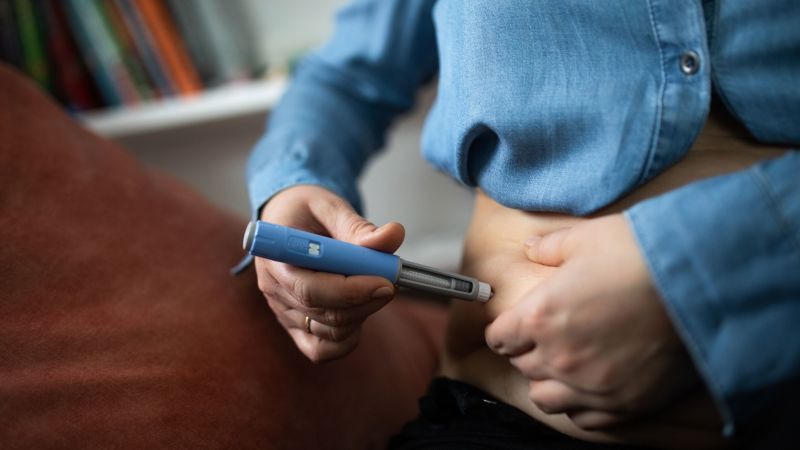
While the Bridge program lowers costs, older adults must weigh the benefits against potential risks. GLP-1 medications, which mimic the hormone glucagon-like peptide-1, help suppress appetite and slow digestion. For Senich, these drugs have been life-changing, allowing her to maintain a healthier weight without drastic lifestyle changes. But the drugs are not without side effects. Common issues include nausea, vomiting, and reduced appetite, which can lead to nutrient deficiencies if not managed properly. “It’s important to monitor how the body responds, especially in older patients who may have slower metabolism,” Dr. Batsis added.
Access to these medications has long been limited by their high prices. Before the Bridge program, Senich had to bear the full cost of her treatment, a challenge many seniors face due to fixed incomes. The new federal initiative aims to address this by offering $50 monthly payments for pill or injected forms of semaglutide and tirzepatide. While this discount is a step forward, experts emphasize that it’s just one part of the equation. “Price is a barrier, but it shouldn’t be the only consideration,” said Dr. Batsis. He recommended that seniors consult healthcare providers to assess their individual needs, including comorbidities like diabetes or heart disease, before starting treatment.
Senich’s story is not unique. Millions of older adults are now eligible for the Medicare GLP-1 Bridge program, which could transform how they manage weight and health. The program’s eligibility criteria include being 18 or older, enrolled in Medicare Part D, and meeting specific health benchmarks. While 3.8 million Americans qualify based on 2023 data, it remains unclear how many will actually participate. “The program offers a lifeline, but it’s still a new tool in a broader effort to improve health for aging populations,” said Dr. Batsis. He urged caution, stressing that these medications should be part of a comprehensive approach to health, rather than a standalone solution.
Looking Ahead: The Future of Obesity Treatment
The expansion of Medicare coverage signals a growing recognition of obesity as a medical condition, not just a cosmetic concern. For older adults, who are disproportionately affected by obesity-related illnesses, this change could mean a significant improvement in quality of life. “We’re seeing a shift in how society views weight management, especially for seniors,” Dr. Batsis observed. The Bridge program may serve as a model for future policies, potentially leading to permanent coverage of these medications. However, success will depend on outcomes from this trial period, including whether the drugs reduce hospitalizations and long-term care costs.
As the program unfolds, more research will be needed to evaluate its impact. Senich, who has spent decades battling weight, hopes the Bridge program will make her journey more sustainable. “I’ve always wanted to feel in control of my health,” she said. “Now, I can wear my favorite clothes without fear.” Her experience highlights the potential of GLP-1 drugs to empower seniors, but it also underscores the importance of balancing affordability with medical appropriateness. For now, the Medicare GLP-1 Bridge program stands as a temporary yet transformative step toward a healthier future for older adults.
“This is the thing that’s been the miracle for me, is the maintenance,” said Barbara Senich. “I didn’t think I’d ever stay at this weight without the help of these medications.”
“Just because you can doesn’t mean you should,” said Dr. John Batsis. “These drugs are powerful, and they require careful monitoring, especially in older patients.”
