
American desserts: 15 sweet regional treats to try
American Regional Desserts: 15 Sweet Treats Worth Exploring
American desserts – Across the United States, a rich tapestry of regional desserts emerges, each steeped in local traditions and flavors. From the sugary confections of the Midwest to the tropical sweetness of the Pacific Islands, these treats offer a glimpse into the cultural heart of their respective areas. While many visitors head to major cities for their culinary adventures, the truest delights often lie in the hidden corners of small towns and family-owned bakeries. Here’s a journey through some of the most distinctive and beloved desserts that define America’s regional identity.
The Debate Over Whoopie Pies
The whoopie pie, a chocolate cake-like dessert in the form of two cookie sandwiches filled with cream, is a prime example of a confection with contested origins. Though Pennsylvania and Maine both claim it as their own, the debate has become a hallmark of American culinary history. According to
“the origin stories of these delectable creations are often debated, and the whoopie pie is no exception.”
Some argue that Amish settlers in Pennsylvania crafted the treat, while others point to Labadie’s Bakery in Lewiston, Maine, where it was first sold in the 1920s. Maine even took the step of designating it as the state’s official “treat” in 2011, a title that contrasts with its designation as the state dessert, which is blueberry pie.
Alabama’s Lane Cake: A Sweet Legacy
Alabama, too, has its own state dessert: Lane cake, a layered cake known for its rich, buttery filling. The star of this dessert is a raisin mixture spiked with bourbon or brandy, sometimes enhanced with pecans or coconut. The recipe, which has been passed down through generations, is attributed to Emma Rylander Lane of Clayton, Alabama. Her 1898 cookbook, “Some Good Things to Eat,” is credited with popularizing the cake. Interestingly, this Southern delicacy also appears in the pages of Harper Lee’s “To Kill a Mockingbird,” hinting at its deep-rooted place in regional culture.
Marionberry Pie: A Fruit’s Sweet Journey
In the Pacific Northwest, the marionberry pie stands out as a testament to the region’s agricultural innovation. Named after Marion County, Oregon, the marionberry is a unique hybrid of Chehalem and Olallie blackberries, developed in 1956. The Oregon Raspberry & Blackberry Commission notes that
“the fruit has a tart, earthy sweetness, perfect for eating fresh.”
However, its versatility extends beyond fresh consumption. During July, bakeries across the region capitalize on the short but intense marionberry season, incorporating the berries into rich, buttery crusts. Lauretta Jean’s Pie Bakery in Portland, Oregon, is a standout for its creative use of the fruit, blending tradition with local ingenuity.
The Key Lime Pie Controversy
Florida’s key lime pie, a staple of the Sunshine State, has recently faced scrutiny over its origins. While the pie’s connection to the Florida Keys remains strong, some have questioned whether it was truly born there. Nevertheless, it has been officially recognized as Florida’s state pie, underscoring its significance. The pie’s signature small, tart, yellowish limes—once grown commercially in the Keys—now often include imported fruit or bottled juice, according to
“Britannica’s online entry suggests that these days, imported limes or bottled juice are commonly used.”
Despite this, the classic recipe featuring a graham cracker crust and a custard made from fresh juice and sweetened condensed milk remains a beloved tradition.
Gooey Butter Cake: A St. Louis Staple
St. Louis is home to another iconic dessert: gooey butter cake. This dense, flat cake with a gooey center is believed to have originated from a happy accident in the 1930s. Though not the state dessert—Missouri’s honor goes to the ice cream cone, linked to the 1904 World’s Fair—the cake has become a symbol of the city’s culinary pride. Available in traditional form or with modern twists like lemon or butter pecan, it’s often dusted with powdered sugar. Local bakeries and cafes continue to serve it, ensuring its legacy endures.
Shave Ice: A Hawaiian Tradition
While the focus often lies on cakes and pies, Hawaii offers a refreshing alternative in the form of shave ice. This dessert, which arrived in the islands via Japanese sugar plantation workers, is a direct descendant of the Japanese kakigori. Soft, fluffy ice is shaved from a solid block and then drenched in syrup, creating a sweet, icy treat. Matsumoto Shave Ice, established in 1951 on Oahu’s North Shore, has become a beloved institution, serving generations of locals and tourists. Flavors range from the tropical allure of liliko’i (passion fruit) and pickled mango to the classic grape and bubblegum options, with add-ons like condensed milk, vanilla ice cream, and azuki beans adding depth to the experience.
Regional Confections: From Biscochitos to Buckeyes
Before diving deeper into the unique desserts, it’s worth noting the diversity of confections across the country. Biscochitos, for instance, are delicate, spiced almond cakes from New Mexico, while buckeyes—named for their resemblance to the buckeye tree—are chocolate-coated nuts with a caramel center, popular in Ohio and Kentucky. These treats, along with others, highlight how regional ingredients and traditions shape local sweet-making practices. Each has a story, a place, and a community that cherishes it.
Legal Battles Over Derby-Pie
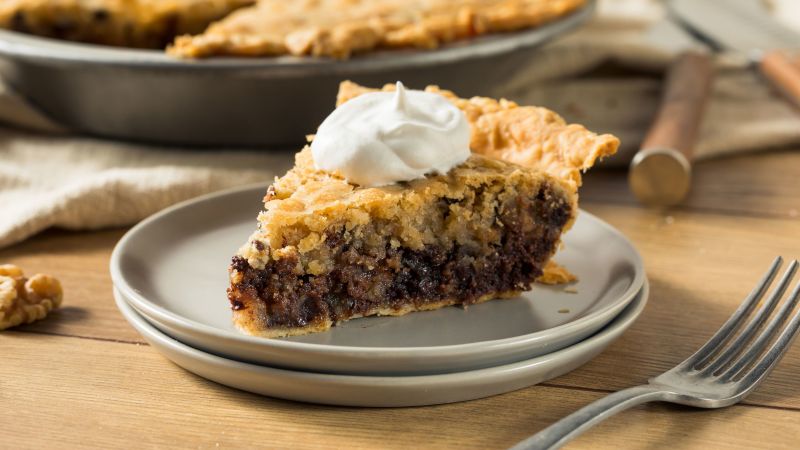
In Kentucky, the debate over a classic dessert has turned into a legal saga. Kern’s Kitchen in Louisville claims to be the sole creator of Derby-Pie, a chocolate walnut pie first made in the 1950s. The bakery holds a registered trademark for the name “Derby-Pie®,” and has taken multiple steps to protect its rights. However, the Louisville Courier-Journal recently prevailed in a 2021 trademark dispute, allowing the term “derby pie” to be used in a recipe and article. This case underscores the passionate divide over the dessert’s identity, with fans arguing that it’s a pie worth fighting for.
Exploring the Unseen: Beyond the Familiar
While the list includes some of the most well-known regional desserts, there are countless others that deserve attention. For example, the “Rusty Nail” pie from Pennsylvania, a creation that blends the flavors of its namesake cocktail, or the “Death by Chocolate” cake from Vermont, a dessert that leans into the state’s reputation for quality chocolate. These treats, though less mainstream, are equally significant in their communities. As the article concludes,
“What delights did we miss? Share your favorites in the comments below.”
This invitation to engage with the reader only reinforces the idea that regional desserts are as much about community and history as they are about taste.
The journey through American regional desserts is not just about savoring unique flavors but also about understanding the stories behind them. Whether it’s a pie born in a small town, a confection with contested origins, or a tropical treat shaped by immigrant traditions, each dessert reflects the history and culture of its region. As the country continues to evolve, so too do these sweets, adapting to new trends while holding onto their roots. From the Midwest to the Pacific Islands, the diversity of American desserts is a celebration of creativity, heritage, and the love of sweet things. So, the next time you’re traveling, don’t forget to sample the local treats—they might just be the highlight of your trip.
