
A judge ruled Brendan Sorsby can play for Texas Tech after gambling on his own teams. It’s the latest college sports stunner
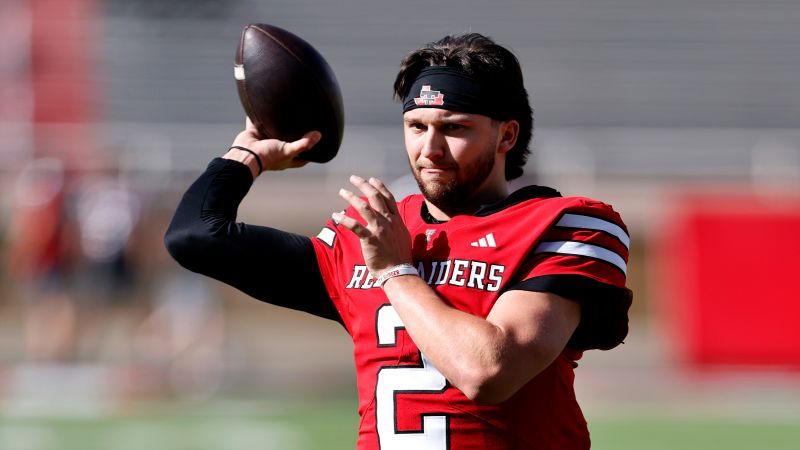
Judge Rules Brendan Sorsby Can Play for Texas Tech: College Sports Gambling Controversy
A judge ruled Brendan Sorsby can play for Texas Tech, sparking renewed debate over the NCAA’s handling of gambling violations in college athletics. The decision, handed down in a recent legal proceeding, allows the quarterback to return to the field after he was initially suspended for wagering on games involving his own teams. This case has become a focal point in discussions about the evolving rules surrounding athlete gambling and whether they apply consistently across all levels of sports. The ruling has drawn mixed reactions, with critics questioning if it sets a precedent for leniency in college sports integrity cases.
The NCAA’s Gambling Policy and Sorsby’s Legal Challenge
Brendan Sorsby’s situation highlights the complexities of the NCAA’s gambling regulations. The organization has long prohibited athletes from betting on games featuring their teams, but Sorsby’s attorneys argued that the rules were overly rigid. They claimed his actions, which included wagers exceeding $90,000 during his time at Indiana and Cincinnati, were driven by a mental health condition rather than intent to cheat. The judge’s ruling hinges on the argument that Sorsby’s continued participation is critical for his team’s success, especially with the upcoming season looming.
The NCAA initially barred Sorsby, citing violations of its strict policies. However, the judge’s decision suggests that the organization may not be as uniformly strict in its enforcement. This has raised questions about the fairness of the system and whether athletes are being judged by the same standards regardless of their personal circumstances. Supporters of the ruling argue it provides a more compassionate approach, while opponents fear it could undermine the integrity of college sports.
Broader Implications for College Sports and Judicial Decisions
Brendan Sorsby’s case is not isolated; it reflects a growing trend in college athletics where gambling violations are increasingly being scrutinized through a legal lens. Recent years have seen similar rulings for other athletes, but Sorsby’s case has gained particular attention due to its high-profile nature. The judge’s temporary injunction emphasizes the balance between holding athletes accountable and protecting their opportunities to compete. Critics argue that the ruling overlooks the potential risks of gambling in collegiate sports, including the possibility of influencing game outcomes.
The decision also underscores the role of judges in shaping the future of college sports. With the NCAA’s rules under constant review, the legal system has become a key player in determining the fate of athletes caught in gambling scandals. This case has reignited conversations about whether the NCAA’s policies are outdated or if they need to be adjusted to account for the modern sports betting landscape. A judge ruled Brendan Sorsby’s eligibility is a testament to the shifting priorities in collegiate athletics.
Comparing College and Professional Gambling Rules
While the NCAA has taken a firm stance on athlete gambling, professional leagues like the NFL and NBA have even stricter policies. In the NFL, players are banned from wagering on any games during the season, including those involving their own teams. This contrasts sharply with Sorsby’s case, where the judge allowed him to play despite his wagers. The discrepancy highlights the varying approaches to gambling in different levels of sports, with college programs often balancing enforcement with the need to retain top talent.
Some experts argue that the NCAA’s rules should be updated to reflect the realities of today’s gambling culture. They point to the increasing number of college athletes involved in betting scandals and suggest that the current framework may be too punitive. A judge ruled Brendan Sorsby’s case could serve as a model for how the NCAA might adapt its policies, especially if the decision is upheld in a final ruling. This could signal a shift toward more nuanced enforcement of gambling rules in college sports.
Public Reaction and the Future of College Sports Integrity
The ruling has divided opinion among fans, coaches, and administrators. Supporters believe it gives Sorsby a second chance and acknowledges the challenges athletes face in the high-pressure environment of college sports. Opponents, however, argue that it sends the wrong message about accountability, particularly in a sport where integrity is paramount. The decision may also influence other athletes facing similar charges, potentially setting a new standard for how gambling violations are addressed.
As the debate continues, the focus remains on the broader implications of A judge ruled Brendan Sorsby’s case. It has become a symbol of the tension between athlete accountability and the NCAA’s evolving policies. With more athletes participating in sports betting and the gambling industry growing rapidly, the question of how to balance fairness and flexibility in college sports will likely remain a hot topic for years to come.
