
Trump alleged China took US election data. Its leader is still planning for a lavish state visit to the US
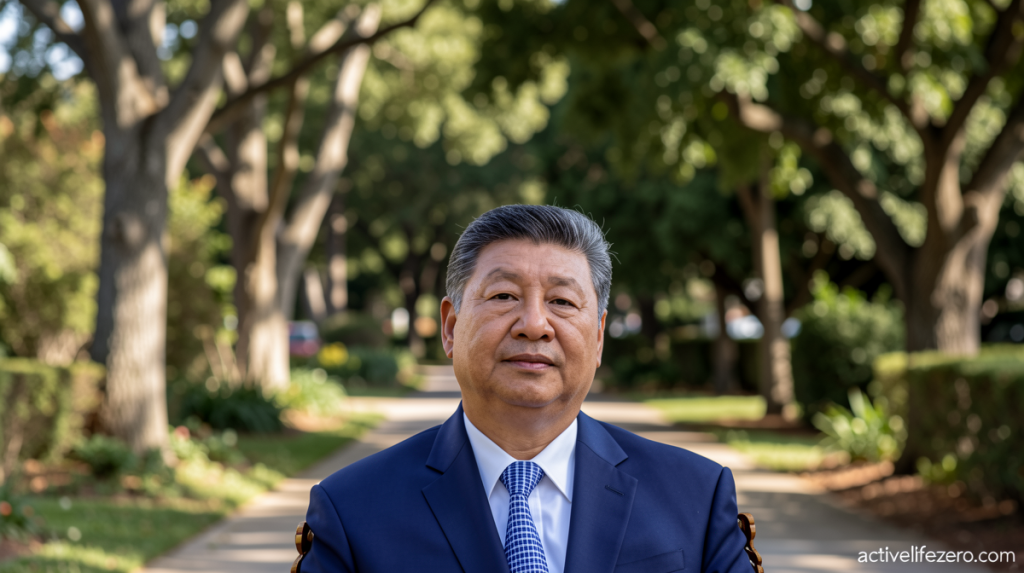
Trump Alleged China Took US Election Data Amid State Visit Plans
Trump alleged China took US election – President Donald Trump made a bold claim Thursday, alleging China took US election data during his first term. Speaking from the East Room, the president described what he called “the largest compromise of election data in history.” According to a minority intelligence assessment, Beijing attempted to influence the outcome of the 2020 presidential race. “The Chinese government wanted (the) US president to lose the next election,” Trump stated, suggesting personal stakes in the allegations.
State Visit Continues Despite Claims
Trump explained his reasoning: “The reason they wanted me to lose is because they knew I was wise to them, charged them billions and billions of dollars worth of tariffs, and built the strongest military anywhere in the world.” These assertions, while serious, drew immediate pushback from Chinese officials. Notably, Trump did not announce any punitive measures against Beijing. By Friday, a White House official confirmed that preparations for Xi Jinping’s lavish state visit to Washington in two months were proceeding normally.
When pressed about potential repercussions, officials offered no concrete answers. Meanwhile, Trump appeared to be looking toward future cooperation. At a World Cup reception in New York, he suggested the United States should partner with Beijing for the next tournament rather than relying on current North American co-hosts. “We do China, United States,” he said, crediting FIFA president Gianni Infantino with the idea. “So you have a short flight in between games. The players would love that.”
The allegations also prompted Trump to revisit intelligence matters from his first term. He claimed American intelligence officials had withheld information about China’s activities. Trump directed four federal agencies to investigate, instructing them “to fire those involved in the cover-up, and to file criminal charges, if appropriate, against these people.” This approach highlighted his ongoing focus on re-litigating the 2020 election, which he lost to Joe Biden.
China Responds, Relations Stabilize
Trump’s Thursday speech contrasted with his recent diplomatic tone toward China. At last week’s NATO summit in Turkey, he told reporters, “I’m a big fan of President Xi,” praising Beijing for remaining largely neutral during the war in Iran. China’s foreign ministry responded firmly to the election claims. “China adheres to the principle of non-interference in other countries’ internal affairs,” spokesperson Lin Jian said. “We have no interest in interfering in the US elections and have never done so.”
The Chinese government urged Washington to reconsider its approach. “We urge the US to reflect on its own behavior, stop unwanted vilification of China … and act more in ways conducive to China-US relations,” Lin added. Stabilizing bilateral ties has been a priority for Trump’s administration following a difficult year of tariff disputes. Xi hosted Trump for an elaborate state visit to Beijing in May, and both leaders plan to reconvene in Washington in late September.
Additional diplomatic engagements are on the horizon. Trump has indicated he may travel to China this November for the Asia-Pacific Economic Cooperation summit in Shenzhen. Xi could also attend the Group of 20 summit that Trump is hosting in Miami. Throughout all these interactions over the past year, Trump never publicly mentioned Chinese efforts to hack US infrastructure or steal sensitive election information.
That silence persisted despite FBI cyber experts examining multiple sophisticated Chinese espionage campaigns targeting US government and corporate secrets. The documents released Thursday, while lacking proof of major election fraud, demonstrated how extensively Chinese intelligence services have gathered information on Americans. The files provided new evidence of Chinese hackers’ efforts to monitor senior US government officials and Biden’s 2020 presidential campaign. One Chinese hacking group employed techniques to track the email accounts of Biden campaign staffers, suggesting “the Chinese operators are mapping out the target network for follow-on approaches, possibly including tasking campaign staffers’ e-mail accounts in the Chinese military.”
