
Speaker Johnson sends bipartisan housing bill to White House — but Trump says it’s a ‘yawn’
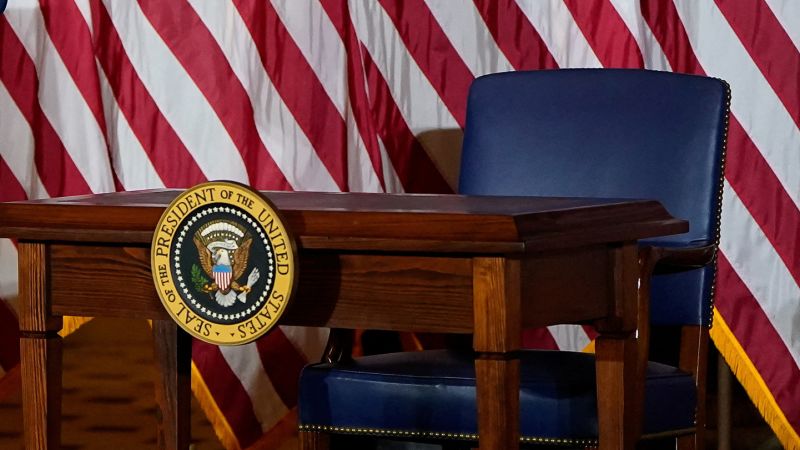
Bipartisan Housing Bill Submitted to White House Amid Presidential Skepticism
Speaker Johnson sends bipartisan housing bill – House Speaker Mike Johnson has forwarded a bipartisan housing initiative to the White House, signaling a key development in addressing the nation’s housing affordability challenges. While the bill aims to boost housing supply and ease costs for families, it has faced criticism from President Donald Trump, who has called it a “yawn.” Johnson’s move underscores the growing urgency within Congress to pass legislation that could become law without the president’s signature within a 10-day window, though Trump’s stance remains a point of contention.
Key Provisions and Legislative Context
The bipartisan housing bill, formally titled the “21st Century Road to Housing Act,” introduces measures to increase housing production and curb rising prices. Notably, it includes a provision restricting private equity firms from buying single-family homes, a policy that has drawn praise for its potential to stabilize the real estate market. This legislation is part of a broader effort to address economic pressures on households, with bipartisan support reflecting a rare moment of agreement across party lines.
Johnson emphasized the bill’s importance in a recent press briefing, stating that it represents a significant step toward long-term solutions for housing affordability. However, Trump’s dismissive attitude highlights the growing divide between the executive and legislative branches. The president, who has been focused on advancing his federal elections overhaul, views the housing bill as a secondary priority, according to White House officials.
Trump’s Strategy and Congressional Frustration
Trump’s reluctance to expedite the bill’s approval has sparked frustration among some Republican lawmakers, who see it as a missed opportunity to deliver tangible relief to struggling families. His decision to delay signing the legislation until the Senate’s “SAVE America Act” is finalized has raised concerns about the timing of key policy measures. GOP Senator Bill Cassidy criticized the delay, calling it “irresponsible” and urging swift action to address the housing crisis.
The “SAVE America Act” has become a focal point for Trump’s agenda, with the president arguing that its voter ID provisions are essential for securing the 2024 elections. By tying the housing bill to this measure, he has created a potential hurdle for its passage. Despite this, the housing initiative’s bipartisan nature suggests it may still gain momentum, even if it faces hurdles in the executive branch.
Legislative Process and the 10-Day Window for Approval
Under the congressional process, the bipartisan housing bill can become law if it receives the president’s approval within 10 days. However, if Trump chooses not to sign it, the bill will still pass as a must-pass package, ensuring its implementation regardless of the White House’s stance. This mechanism has been a critical tool for Congress to push forward with key legislation, even in the face of executive resistance.
Johnson has expressed confidence in the bill’s prospects, stating that he and Trump are “exactly on the same page” about its significance. The speaker’s decision to combine the housing bill with the SAVE America Act aims to streamline the legislative process and present a unified front to the Senate. While this strategy could aid in securing passage, it also risks overshadowing the housing measure’s core objectives, which are aimed at immediate relief for homeowners and renters.
Bipartisan Momentum and Political Tensions
The bipartisan housing bill has garnered support from across the aisle, with Democratic and Republican leaders acknowledging its potential to address critical affordability issues. However, Trump’s criticism of the bill’s Democratic elements has created tension within the party. He argues that the inclusion of these provisions signals a shift in party priorities, though many Republicans see it as a necessary compromise to achieve progress.
As the November midterms approach, the housing bill has become a symbol of congressional efforts to enact meaningful change. Trump’s insistence on delaying its approval until the SAVE Act is resolved has drawn mixed reactions, with some lawmakers frustrated by the holdup. Others, however, support the president’s approach, believing the combined package could strengthen the legislative case for both measures.
While the 10-day window for approval looms, the bipartisan housing bill’s fate remains uncertain. Its success will depend on the White House’s willingness to support it and the Senate’s response to its combined presentation with the SAVE America Act. For now, the legislation stands as a testament to the growing bipartisan consensus on housing affordability, even as political dynamics complicate its path to implementation.
