Senate passes major bill to overhaul college sports

Daftar Isi
Senate advances bipartisan plan to reshape college athletics
Activelifezero.com – The Senate has approved sweeping legislation aimed at setting nationwide rules for college sports, sending the proposal to a House that will not return from recess until after the November midterm elections.
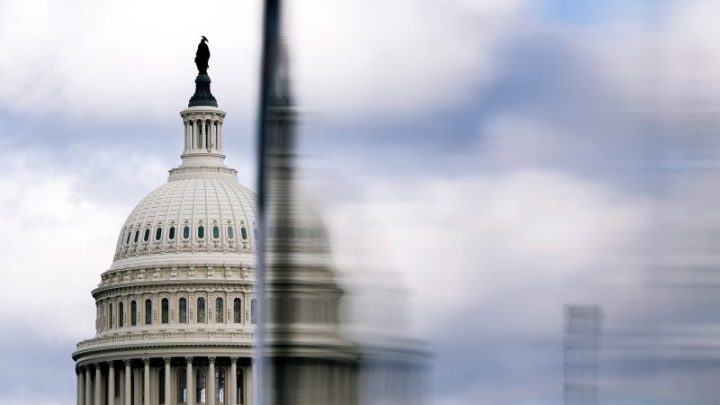
Lawmakers passed the Protect College Sports Act on Monday by a 77-22 vote, a substantial bipartisan margin that reflects broad concern over the rapidly changing business of college athletics. Its future remains uncertain in the House, where the Congressional Black Caucus has already announced opposition.
The measure seeks to establish federal standards for athletes’ ability to earn money from their name, image and likeness, commonly known as NIL. Supporters say a national framework is needed after years of shifting rules, expanding athlete compensation and escalating spending among major athletic programs.
What the legislation would do
The bill would authorize the NCAA to regulate player compensation while protecting athletes’ ability to participate in revenue-sharing arrangements with their schools and receive legitimate NIL payments. It would also impose a one-time transfer limit and create a five-year eligibility standard.
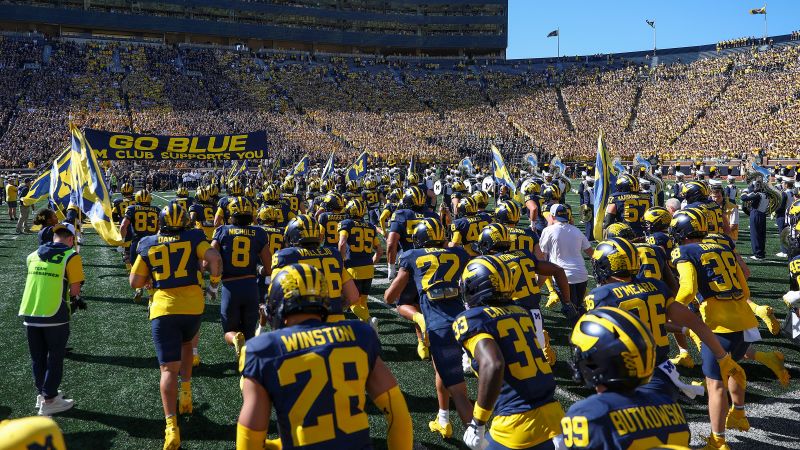
Its provisions would affect college sports beyond individual athletes. Conferences could negotiate future television agreements collectively, while conference membership would be capped at 19 teams. The Big Ten, one of the nation’s largest conferences, currently has 18 members.
Backers argue that the legislation would provide stability for schools, athletes and fans by reducing legal and financial uncertainty. The NCAA and leading athletic conferences have endorsed the proposal.
Sen. Ted Cruz of Texas, the Senate Commerce Committee chairman and the measure’s primary sponsor, has argued that Congress must replace what he characterizes as an increasingly disordered system of college sports contracts.
“The Protect College Sports Act is bipartisan legislation designed to bring order to the chaos,” Cruz said last week.
Cruz said the proposal is intended to preserve college athletics over the long term through what he described as “simple, common sense rules.”
Supporters focus on costs and access
Sen. Maria Cantwell, the bill’s lead Democratic co-sponsor, said the measure addresses a spending race that can pressure colleges and public institutions to devote more resources to athletics.
She argued that schools should not face demands to redirect taxpayer support or endowment funds away from priorities such as education, research and artificial intelligence in order to keep pace with sports spending.
“This is about reining in the bad practices that are happening in college sports today,” Cantwell said.
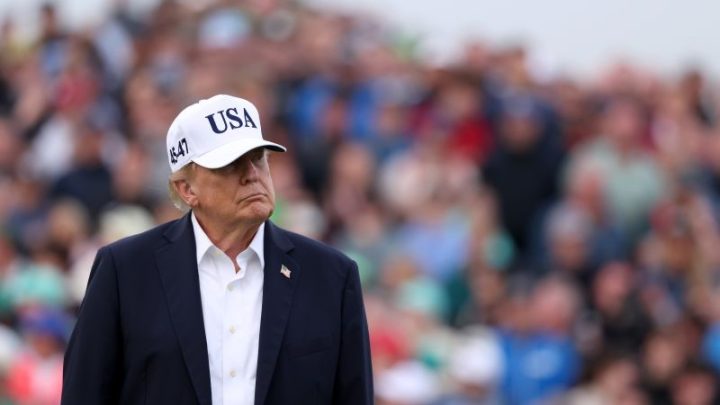
President Donald Trump has also urged Congress to deliver the legislation to his desk. The White House said he believes college sports are worth protecting for athletes, schools, fans and the country.
Cruz has emphasized that the debate extends beyond the most prominent players in football and basketball. He argues that opportunities in college athletics matter especially for students whose competitive careers will end after graduation.
“It does the exact opposite, which is it protects student athletes,” Cruz said of concerns that the bill could weaken athletes’ earnings and bargaining power.
He said the proposal would safeguard participation in school revenue sharing as well as valid NIL compensation. Cruz also warned that failing to act could eliminate large numbers of athletic opportunities, affecting students who rely on sports as a path to higher education.
“Right now, sports gives them a ticket to college,” Cruz said.
He pointed to the value of skills developed through competition, including discipline, teamwork, sportsmanship and hard work, for students who will not become professional athletes.
Opponents warn of expanded institutional power
Organized labor and athlete advocates remain strongly opposed. The National College Players Association, the NAACP and the AFL-CIO contend that the proposal favors universities and the NCAA without giving student athletes sufficient protection.
A central objection involves the bill’s antitrust exemptions. Critics argue those provisions could allow schools and the NCAA to exercise excessive control over athlete compensation and other key decisions.
Sen. Chris Murphy, a Democrat, joined labor organizations in criticizing the measure as protection for an unequal economic model in which coaches and executives receive enormous compensation while athletes face limits on their own earnings.
“What this bill does, at its core, is protect a system of exploitation,” Murphy said.
Sen. Cory Booker, who played football at Stanford University, also opposed the legislation. He said it serves wealthy interests that have long held influence in college athletics.
The National College Players Association has raised an additional concern about legal rights. It argues that a provision allowing schools to correct a violation within 30 days could make it harder for athletes to bring successful claims involving sexual abuse, catastrophic injuries or death.
Those competing arguments set up a consequential House debate once lawmakers return. The Senate vote gives the bill significant momentum, but it does not resolve whether House members will accept the framework, revise it or pursue a different approach.
For athletes, universities and conferences, the stakes extend beyond the current season. A federal law could shape how compensation, transfers, eligibility and media rights are handled across college sports for years to come.
Related Reading
Frequently Asked Questions
What is Senate passes major bill to overhaul?
Senate passes major bill to overhaul is the main topic of this guide. The article explains the context, practical details, and next steps readers should understand.
Why does Senate passes major bill to overhaul matter?
Senate passes major bill to overhaul matters because readers are looking for a useful answer, not just a short summary. Good content should match search intent and help them decide what to do next.