Sailors on carriers like the USS Abraham Lincoln feel the strain as Navy deployments stretch longer

Daftar Isi
Carrier Crews Face Mounting Pressure as Extended Sea Tours Test Limits
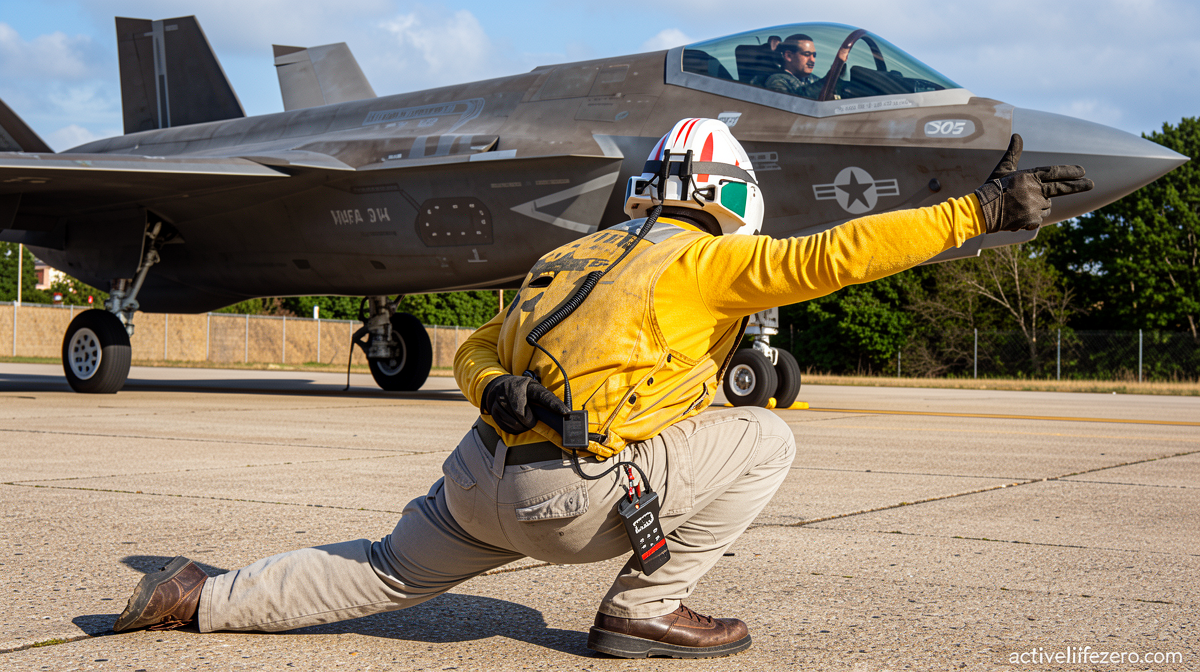
Activelifezero.com – Life aboard the USS Abraham Lincoln has grown increasingly difficult as the aircraft carrier pushes past six months at sea, straining both the vessel’s systems and its crew’s mental resilience. Sailors report a deteriorating environment where basic amenities frequently fail and emotional distress runs high. The extended mission could surpass the longest carrier deployment since the Vietnam era, a milestone that arrives amid growing concerns about readiness and retention within the fleet.
The Lincoln’s current voyage may eclipse the record previously established by the USS Gerald R. Ford, which completed 326 days away from home port earlier this year. That deployment included significant operations targeting threats from Iran and Venezuela. What distinguishes the Lincoln’s situation is not merely the duration but the compounding effects of combat operations that have prevented routine port visits where crews typically restock supplies and enjoy shore leave.
Human Toll of Extended Deployments
One sailor currently serving on the Lincoln described morale as critically low, noting repeated discussions among crew members about suicidal thoughts. The daily reality aboard the ship includes closed toilets and water fountains, unreliable hot water, and intermittent food shortages. Hygiene products that sailors once could purchase freely are now scarce and rationed.
Everyday we wake up and listen to our Captain speak, we are desperately hoping and anxious for updates on our return.
Port calls serve a vital function beyond mere logistics. When carriers dock at friendly harbors, sailors can rest, shower, and replenish supplies. The Lincoln’s combat mission has limited these opportunities, creating a cascade of problems that extend from broken water systems to depleted stockrooms. Family members who have communicated with the crew echo these concerns, describing a ship where even simple comforts have become luxuries.
Expert Analysis and Broader Implications
Kate Kuzminski, a defense analyst at the Center for a New American Security, emphasized that the Navy must recalibrate its deployment framework to match operational realities. She questioned how extended absences affect families who have recently relocated for assignments, suggesting that prolonged separations could influence career decisions across the service.
The data supports these concerns. CNN’s review of deployment announcements and fleet tracking information reveals a consistent pattern of carrier groups exceeding the Navy’s seven-month recommendation. This trend has accelerated since 2020, with median deployment lengths climbing steadily. Admiral Daryl Caudle has outlined a plan to establish predictable three-year cycles featuring 210-day deployments, yet the current trajectory suggests this goal remains elusive.
Between 2018 and 2022, most deployments stayed within or slightly above the target window. The Lincoln and Ford deployments represent a departure from that stability, raising questions about whether the Navy is overextending its assets or whether external threats demand longer commitments.
Mental Health and Personnel Concerns
Recent incidents have intensified scrutiny of sailor wellbeing. Two members of the Lincoln strike group have jumped overboard in recent months, both rescued alive according to US officials. Additional cases involved sailors who were prevented from leaping, as reported by Navy Times and Stars and Stripes. These events have prompted internal review and public discussion about the relationship between deployment length and psychological strain.
The Navy maintains that deployment duration does not directly correlate with self-harm incidents. In a statement to CNN, the service noted that religious, medical, and mental health professionals remain available to address concerns as they emerge. Officials also pointed out that man-overboard events occur across multiple fleets and are not unique to the Lincoln’s operational area.
A father of a Lincoln sailor, speaking anonymously, acknowledged that combat operations are inherently demanding but questioned why relief has not arrived sooner. He wondered whether some of the mental burden could have been mitigated through earlier intervention or shorter deployment cycles.
Political Response and Public Perception
President Donald Trump addressed the deployment length during a Friday press interaction, stating that the Lincoln’s time at sea had been “not nearly long enough.” This comment drew immediate criticism from service families. One sailor’s wife, who requested anonymity, told CNN’s Jake Tapper that the president often speaks without full consideration and urged both Trump and Secretary of Defense Pete Hegseth to demonstrate greater empathy for military personnel.
Take some accountability for what’s going on with your military, your ships, in your war. In your war. It’s infuriating.
The political dimension adds complexity to an already challenging situation. Families and sailors alike are watching how leadership responds to mounting pressure on carrier crews. The question extends beyond logistics to include whether the Navy’s operational tempo aligns with its commitment to sailor welfare.
Looking Ahead
The Lincoln’s deployment continues to unfold, with no definitive end date announced. Sailors remain aboard, managing daily challenges while awaiting relief. The outcome of this mission will likely inform future deployment policies and potentially reshape how the Navy balances operational demands with personnel sustainability.
As the carrier approaches what could become a historic milestone, the human element remains central to the story. Behind the statistics and strategic calculations are thousands of sailors whose careers, families, and mental health hang in the balance. The Navy’s ability to address these concerns will determine whether extended deployments strengthen or weaken the fleet’s long-term readiness.
Related Reading
Frequently Asked Questions
What is Sailors on carriers like the USS Abraham?
Sailors on carriers like the USS Abraham is the main topic of this guide. The article explains the context, practical details, and next steps readers should understand.
Why does Sailors on carriers like the USS Abraham matter?
Sailors on carriers like the USS Abraham matters because readers are looking for a useful answer, not just a short summary. Good content should match search intent and help them decide what to do next.