
Exclusive: US military rushed to prepare ground mission to capture Iran’s uranium, but Trump paused it, sources say
Exclusive: US military rushed to prepare ground mission to capture Iran’s uranium, but Trump paused it, sources say
Exclusive – Senior US military officials were scrambling to finalize a covert operation to seize Iran’s highly enriched uranium late last month, according to two confidential sources. The plan, which involved sending ground troops into Iran, was considered a high-stakes maneuver to secure the critical nuclear material needed for a weapon, but it was ultimately delayed when President Donald Trump raised concerns about potential Iranian retaliation and US casualties.
Clandestine Briefings and Rapid Deployment Plans
General Dan Caine, the Chairman of the Joint Chiefs of Staff, traveled in secret to the US Central Command headquarters in Tampa, Florida, to review the details of a military operation targeting Iran’s uranium stockpiles. The urgency of the situation prompted him to cut short a meeting with NATO officials in Brussels and return to the US on May 19, the sources said. This rapid shift highlights the administration’s internal debate over escalating the conflict, as the operation could have triggered a broader war with Iran.
According to one source, the briefings were so critical that they required a personal update from Caine, emphasizing the gravity of the mission. The plan involved not only capturing the uranium but also deploying forces to secure it amid Iran’s ongoing nuclear program. The Joint Staff spokesperson, when asked about the preparations, remained noncommittal, offering no further details on the operation’s timeline or scope.
Trump’s Concerns and the Risk of Escalation
Caine presented the options to Trump, who was reportedly cautious about the consequences of a ground invasion. One source said the president was warned that such an operation could provoke severe Iranian retaliation, further complicating the already volatile regional dynamics. Trump also voiced apprehension about the number of US casualties, a concern he has consistently highlighted during his tenure.
“Lots of risk,” one insider said, reflecting Trump’s hesitation to authorize the mission. This sentiment aligns with the president’s broader strategy of balancing military readiness with diplomatic overtures. Despite his repeated threats to intervene in Iran’s nuclear program, Trump has shown reluctance to commit to a full-scale operation, fearing public backlash and the toll it might take on US forces.
Economic Nuclear Option and Regional Tensions
Meanwhile, Tehran has been preparing its own countermeasure in case negotiations with the US collapse. Three sources revealed that Iran is planning an economic “nuclear option” by directing its Houthi allies in Yemen to block the Bab-al-Mandab Strait, a vital shipping route connecting the Red Sea to the Arabian Peninsula. This move could disrupt global trade and escalate tensions in the region.
The strategic importance of the Strait of Hormuz and the Bab-al-Mandab Strait has become a focal point in the ongoing standoff. Iran’s closure of the Hormuz Strait earlier this year has already caused significant disruptions, and the potential for the Bab-al-Mandab to be closed could further strain international supply chains. The administration’s recent optimism about a deal with Iran, including the opening of Hormuz, contrasts sharply with the military’s readiness for escalation.
Deal Terms and Iran’s Counterarguments
A senior administration official provided CNN with a list of terms Iran allegedly agreed to in negotiations, including the destruction of its nuclear material, dismantling its nuclear program, and opening the Strait of Hormuz. In exchange, Iran would receive sanctions relief. However, Iranian state media has disputed these claims, asserting that Iran would not commit to ceding control of the Hormuz Strait and insisting that any agreement must include the immediate release of $24 billion in frozen assets.
These conflicting narratives underscore the complexity of the talks. While the US sees a deal as a way to curb Iran’s nuclear ambitions, Iran insists on retaining strategic leverage. The disagreement over the terms of the agreement has left the administration in a precarious position, with the military prepared to act but the president holding back due to uncertainty.
Securing the Uranium Stockpile
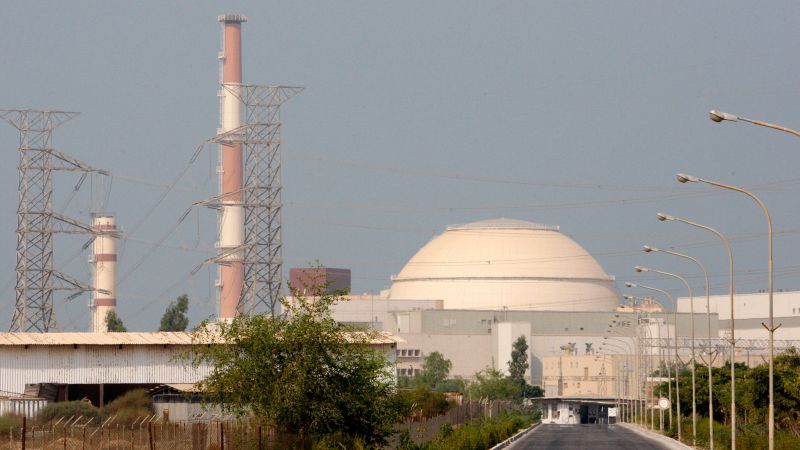
Iran’s highly enriched uranium is stored across multiple facilities, including the Isfahan, Natanz, and Fordow complexes. These sites are not only spread out geographically but also protected by underground tunnels, making the task of locating and extracting the material both challenging and risky. A US military operation would need to navigate these logistical hurdles while avoiding Iranian defenses.
Nuclear experts have questioned the feasibility of a swift and complete seizure of Iran’s uranium stockpile. The 970 pounds of nearly weapons-grade material, concentrated at key facilities, could be difficult to identify and transport under hostile conditions. This uncertainty has contributed to Trump’s cautious approach, as he weighs the potential for success against the cost of failure.
Unresolved Tensions and Future Implications
Trump’s frustration with Iran’s stalling tactics has grown as the country continues to resist significant concessions. The administration’s efforts to secure a deal have been hindered by Tehran’s insistence on maintaining control over critical assets and its refusal to commit to sanctions relief. Despite this, the military’s readiness for a ground operation remains a contingency plan in case diplomacy falters.
While the operation was paused, it has not been completely dismissed. The administration continues to explore options, with Trump emphasizing the need for a decisive action to address Iran’s nuclear program. The potential for a large-scale military intervention highlights the precarious balance between diplomacy and force in the current geopolitical climate.
As the situation unfolds, the stakes remain high. The US military’s preparedness for a ground mission into Iran reflects the administration’s willingness to take bold steps, but Trump’s pause underscores the political and strategic considerations at play. Whether the decision to act will be made or the talks will resume hinges on Iran’s willingness to compromise and the US’s ability to navigate the complex risks of military escalation.
“Lots of risk,” one of the sources familiar with the plans for the potential military operation said, adding it was not surprising Trump opted against giving the military the green light last month.
The uncertainty surrounding the deal and the military’s readiness for action has left the region on edge. If the US moves forward with a ground operation, it could mark a significant escalation in the conflict, with far-reaching consequences for both Iran and the global economy. Meanwhile, Iran’s economic nuclear option adds another layer of complexity, as the country prepares to assert its influence through regional proxies.
With the potential for a major conflict looming, the administration is left in a difficult position. The balance between diplomacy and military force has never been more delicate, and the decisions made in the coming weeks could shape the trajectory of the US-Iran standoff for years to come.
