What a social media influencer turned surgeon general could mean for public health in the US

What a Social Media Influencer Surgeon General Could Mean
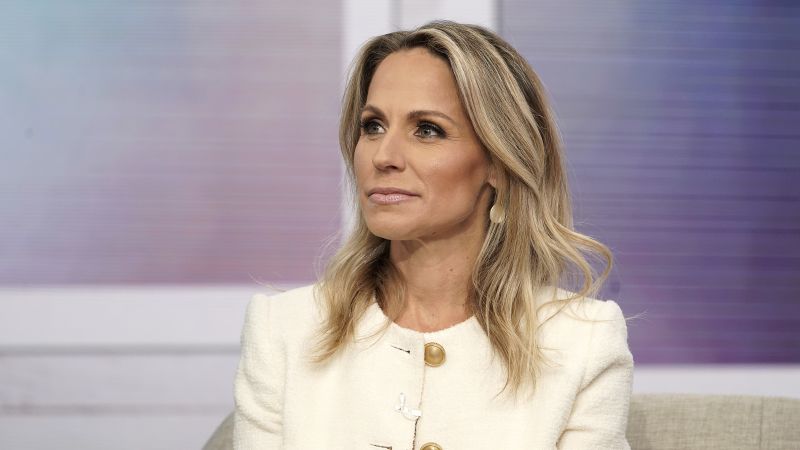
Activelifezero.com – What a social media influencer turned surgeon general could mean for US public health is at the center of Dr. Nicole Saphier’s Senate confirmation hearing. A radiologist, television contributor and online health communicator, Saphier has built a large audience by discussing medical issues through social media and podcasts.
Her nomination raises a broader question about how Americans receive health guidance. The surgeon general is often called the nation’s doctor, but the position also requires leadership of the US Public Health Service Commissioned Corps and clear communication during public-health emergencies.
“For a decade, I have specialized in translating complex, fast-evolving medical information on various media platforms into content that millions of Americans can understand and use, including during the uncertainty of the global pandemic,” Saphier said during the hearing.
Saphier said public health needs direct, understandable messages supported by the best available evidence. Her experience speaking to audiences online, she argued, has prepared her to explain difficult medical topics in plain language.
More than building an online audience
What a social media influencer brings to the surgeon general role may include a larger reach, but public-health experts stress that influence alone is not enough. The office must earn trust across political, cultural and geographic divides while delivering guidance based on science.
Former surgeon general Dr. Jerome Adams, who served during Trump’s first term, said the role has obligations that extend far beyond cultivating followers or maintaining a personal brand.
“An influencer builds a brand and an audience. The surgeon general speaks for the nation (and not just ‘followers’), leads the Public Health Service Commissioned Corps, and has a duty to follow evidence even when it is politically inconvenient,” Adams said. “Influence is a tool, but it is not the job.”
That responsibility can become especially significant when health advice is disputed or politically sensitive. A surgeon general must reach people with different media habits, varying levels of trust in institutions and unequal access to health care.
Where Americans now find health information
A Pew Research Center report published earlier this year found that 4 in 10 US adults get health and wellness information from social media influencers and podcasts. Half of adults younger than 50 said they do so, underscoring the growing importance of digital platforms in everyday health decisions.
The report also highlighted concerns about expertise. Fewer than half of the health-focused influencer profiles examined identified their creators as health professionals. About 1 in 8 cited personal experience in biographies, while nearly 1 in 6 included no information about credentials or relevant background.
Eileen Yam, director of science and society research at Pew, said clinicians now share patients’ attention with many online voices and platforms.
“Now, when a healthcare provider sees a patient, any number of other individuals and platforms and messengers have that patient’s ears and eyes,” Yam said. “The ball game is changing so quickly as far as where people hear health information, wellness information, beyond that kind of mainstream white coat expertise.”
What a social media influencer turned surgeon general could mean, then, depends on whether broad reach is paired with scientific credibility, transparency and a willingness to communicate evidence even when it is unpopular.
Frequently asked questions
What does the US surgeon general do? The surgeon general communicates public-health guidance and leads the US Public Health Service Commissioned Corps. The office can address issues including disease prevention, mental health, tobacco, nutrition and emergency health information.
Why does social media matter for public health? Many Americans now encounter health and wellness information through influencers, podcasts and online videos. These platforms can make information easier to understand, but audiences should consider the source’s qualifications and compare claims with evidence-based guidance.
How can people assess health advice online? Check whether the speaker identifies relevant medical credentials, distinguishes personal experience from medical evidence and cites reliable research or public-health guidance. Patients can also discuss online claims with a qualified health care professional.