It’s not just a gut feeling: Foodborne illness outbreaks are especially bad this summer


Foodborne Illness Outbreaks Hit Record Highs This Summer
Activelifezero.com – It’s not just a gut feeling that consumers are experiencing more food safety concerns this season. Foodborne illness outbreaks have reached unprecedented levels, with health officials reporting the worst summer on record for contamination events. From the massive cyclospora outbreak to funding cuts affecting inspections, multiple factors are converging to create this perfect storm. It’s not just a gut feeling—data confirms what many Americans have been experiencing at grocery stores and restaurants.
Unprecedented Case Numbers
Federal statistics reveal the dramatic scale of this year’s crisis. The Food and Drug Administration processed an average of twenty-five foodborne illness investigations each year between 2021 and 2025. By mid-2026, the agency had already recorded twenty investigations, with eighteen still actively being reviewed. In just eight weeks, twelve new outbreak investigations were added to the database.
The total illness count tells an even more compelling story. Approximately ten thousand five hundred cases have been linked to foodborne outbreaks this year, according to combined FDA and CDC data. This represents seven times the typical annual average of fifteen hundred cases from the previous five-year period. Even excluding the cyclospora outbreak, over one thousand additional cases come from other contamination events, putting the nation on track to surpass the five-year average before year-end.
The Cyclospora Outbreak Explained
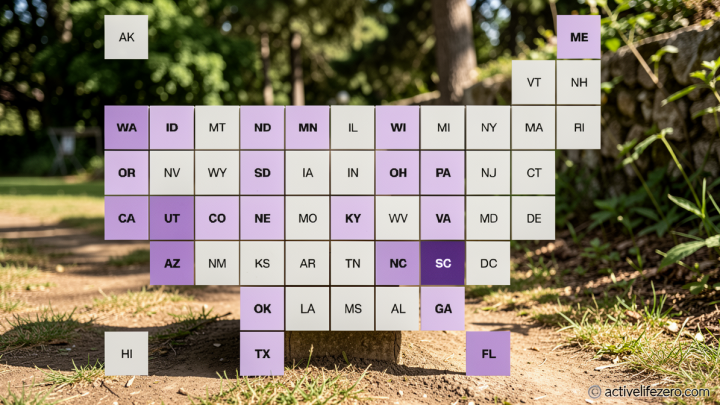
At the heart of this surge is a cyclosporiasis outbreak affecting at least nine thousand four hundred eighty-one people across seventeen states. This single event has exceeded the combined total of all foodborne outbreaks from the previous four years. The contamination came from iceberg lettuce distributed through major restaurant chains like Taco Bell and supplied by Taylor Farms. Health authorities continue investigating thousands of additional potential cases.
This marks the largest cyclospora outbreak ever documented in the United States and ranks among the most significant foodborne illness events overall. The pathogen, which causes gastrointestinal illness, has proven particularly difficult to trace through traditional investigation methods, complicating efforts to identify the exact source of contamination.
Weather and Funding Challenges
Several elements have combined to create this challenging environment for food safety. Summer traditionally serves as peak season for foodborne illnesses, but this year’s conditions have been especially favorable for contamination. Excessive heat allows pathogens to multiply more rapidly in food products. Additionally, federal funding reductions implemented under the Trump administration have weakened both federal food inspection capabilities and state-level traceback investigations. These budget cuts have diminished the resources available to health departments conducting the detailed work necessary to pinpoint outbreak origins.
We’re seeing the public health system tested right now as it relates to foodborne illness, said Dr. Manisha Juthani, president of the Association of State and Territorial Health Officials.
The four pathogens currently dominating active investigations—cyclospora, E. coli, listeria, and salmonella—represent the most common culprits in outbreaks over the past half-decade. Their simultaneous presence in significant numbers underscores the breadth of this summer’s challenges.
Measuring What Matters
Food safety professionals caution that simply counting outbreaks or recalls does not capture the full picture of risk. A single recall notice might cover multiple products distributed across numerous stores and restaurants simultaneously. Darin Detwiler, a food safety advocate and former Northeastern University professor, emphasized the need for more comprehensive measurement.
We need to measure these five things: severity, frequency, scale, public health burden and systems performance. Are the same preventable failures recurring despite regulations intended to stop them?
Experts recommend focusing on the actual number of illnesses rather than outbreak counts as a more reliable indicator of public health impact. The FDA has acknowledged that enhanced laboratory detection and strengthened surveillance efforts contribute to higher reported numbers, noting that improved monitoring naturally leads to increased case identification.
What Consumers Should Know
The agency emphasized that food safety extends beyond government oversight. Ensuring the safety of the food supply requires participation from every point in the supply chain. It’s not just a gut feeling that vigilance matters—consumers are encouraged to report any illness they suspect is food-related to help authorities track emerging patterns.
Frequently Asked Questions
What is causing the increase in foodborne illness outbreaks?
Multiple factors are contributing, including extreme summer weather, federal funding reductions affecting inspections, and the record-breaking cyclospora outbreak linked to iceberg lettuce.
How many people have been affected by the cyclospora outbreak?
At least nine thousand four hundred eighty-one individuals across seventeen states have been infected by the cyclospora outbreak, making it the largest in U.S. history.
What should consumers do if they suspect foodborne illness?
Consumers should report suspected cases to local health authorities and the FDA to help track emerging patterns and identify potential sources of contamination.
Are these numbers higher because of better detection methods?
Partially. The FDA has acknowledged that enhanced laboratory detection and strengthened surveillance efforts contribute to higher reported numbers, though the actual case count remains significantly above historical averages.