
Ariana Grande tells White House to stop using her music
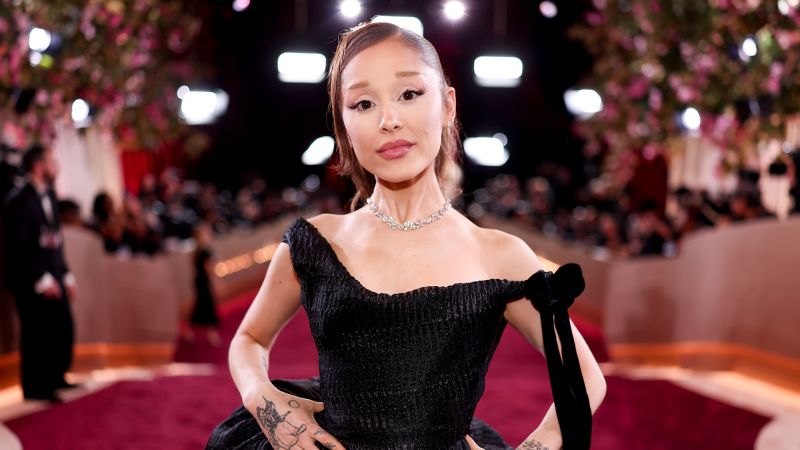
Ariana Grande Condemns White House for Using Her Music in Immigration Policy Video
Ariana Grande tells White House to stop – In a recent development, pop sensation Ariana Grande has publicly criticized the White House for incorporating her 2024 track “Bye” into a promotional video aimed at highlighting the administration’s immigration policies. The 14-second clip, shared on TikTok on Tuesday, features law enforcement officers, including Immigration and Customs Enforcement (ICE) agents, as they handcuff and arrest individuals. The video’s caption reads, “Bye-bye 👋 President Trump has delivered the most secure border in history,” which was paired with Grande’s song. However, following her vocal backlash, the White House swiftly removed the audio from the clip.
A Political Statement in Music
Grande’s reaction came in the form of a direct message to the TikTok post, where she wrote, “Please do not use my music in relation to this barbaric, inhumane, heinous nonsense.” The statement, which appears to have been concealed from public view, underscores her discontent with the use of her work to promote policies she perceives as unjust. While the original video remains online, the audio has been stripped, leaving the visual elements without the accompanying melody that once tied the imagery to her artistry.
“Please do not use my music in relation to this barbaric, inhumane, heinous nonsense.”
The White House responded to Grande’s comment with a terse message sent to CNN on Friday. Spokesperson Abigail Jackson asserted, “We’ll say this one last time: what’s actually barbaric, inhumane, and heinous are the criminal illegal aliens who have injured and murdered innocent American citizens.” This rebuttal frames the criticism as a contrast between the administration’s policies and the actions of immigrants, a narrative central to their recent messaging.
A Pattern of Resistance
Grande’s protest marks another instance in a growing trend of artists opposing the use of their music in politically charged contexts. Earlier this year, she made headlines by wearing an “ICE OUT” pin at the Golden Globes, a gesture that symbolized her stance against the agency. This action aligns with her broader advocacy for immigrant rights, which has been evident in her public appearances and social media posts. Her recent disapproval of the White House’s video further reinforces her commitment to using her platform to voice political concerns.
The incident also echoes similar disputes involving former President Donald Trump and other musicians. Trump has long been known for leveraging popular songs during his campaign rallies, a practice that has drawn ire from artists such as ABBA, Adele, and John Fogerty, the lead singer of Creedence Clearwater Revival. In 2024, ABBA demanded an end to their music being used in Trump’s promotional materials, citing the appropriation of their work for a divisive agenda. Adele and Fogerty followed suit, expressing frustration over the strategic use of their songs to amplify political messages.
“We’ll say this one last time: what’s actually barbaric, inhumane, and heinous are the criminal illegal aliens who have injured and murdered innocent American citizens.”
Grande’s situation is not unique in the context of Trump’s administration. Earlier this year, a video posted to the White House and Department of Homeland Security’s Instagram accounts featured Olivia Rodrigo’s song “All-American Bitch” alongside a message urging people to “LEAVE NOW and self-deport.” Rodrigo reportedly responded by commenting on the post: “don’t ever use my songs to promote your racist, hateful propaganda.” Her remark was later deleted, and the video’s audio was removed, mirroring the current action taken against Grande’s track.
The Power of Musical Influence
The use of popular music in political campaigns is a deliberate strategy to tap into cultural resonance and emotional impact. By associating a song with a policy or statement, the White House aims to reinforce its messaging through familiar melodies. However, when the music’s creator objects, the effect can be symbolic, highlighting the tension between artistic expression and political propaganda. Grande’s choice to pair her song with the video’s content suggests a belief that the music carries a message of farewell or closure, which the administration may have misinterpreted.
The song “Bye” itself, released in 2024, is known for its melancholic tone and themes of heartbreak and departure. Its use in the video may have been intended to evoke a sense of finality, but Grande argues that the context shifts its meaning. The White House’s decision to remove the audio reflects both a response to her criticism and a strategic adjustment to avoid further backlash. This move also aligns with a pattern of editing content to align with official narratives, a practice that has been observed in other instances of political media campaigns.
Grande’s representatives have not yet issued a formal statement regarding the situation, but the incident has sparked broader discussions about the role of artists in political discourse. Many see her action as part of a larger movement where musicians use their work to challenge policies they find morally objectionable. This trend has gained momentum in recent years, with artists like Lil Nas X and Beyoncé also expressing concerns over the use of their music in political contexts. The White House’s response to Grande’s comment, however, has been more defensive than conciliatory, emphasizing the perceived negativity of the individuals depicted in the video.
Broader Implications for Art and Politics
The controversy raises questions about the ownership of musical content and its use in public service. While the White House can legally license a song for promotional purposes, the emotional and cultural weight of the music can influence public perception. Grande’s song, with its nostalgic and poignant lyrics, may have been chosen to underscore the theme of separation, which is central to the administration’s immigration policy. By associating the video with her track, the White House attempted to frame the policy as a necessary action, but the artist’s reaction has shifted the narrative toward critique.
The incident also underscores the growing divide between creators and political institutions. As public figures, musicians often find themselves at the crossroads of art and activism, with their work becoming a tool for both celebration and criticism. Grande’s comments reflect a desire to assert control over her music’s message, a sentiment shared by many artists who feel their work is being co-opted for purposes they did not intend. The White House’s response, in contrast, highlights the administration’s determination to defend its policies, even when confronted with public dissent.
Despite the removal of the audio, the video’s visual elements continue to circulate, with the original caption serving as a lasting reminder of the administration’s stance. Grande’s critique, though brief, has amplified the conversation around the use of music in political campaigns. Her stance has also drawn attention to the broader implications of such practices, as they can shape public opinion and influence the emotional tone of policy discussions. The incident may serve as a case study in how cultural artifacts are repurposed to align with political agendas, and how creators respond to such recontextualizations.
In conclusion, Ariana Grande’s protest against the White House’s use of her song in a promotional video encapsulates the evolving relationship between artists and political entities. Her reaction, along with similar responses from other musicians, illustrates a growing resistance to the commercialization of creative works for ideological purposes. While the White House maintains its position, the incident has opened a dialogue about the importance of maintaining artistic integrity in the face of political pressure, ensuring that music continues to serve as a powerful medium for both expression and critique.
