
Tracking oil prices and US gas prices amid Iran conflict
Tracking Oil Prices and US Gas Prices Amid Iran Conflict
Tracking oil prices and US gas prices – The ongoing conflict between the United States and Iran has created a ripple effect across global energy markets. As tensions escalated, the cost of crude oil surged, prompting widespread concern among consumers and analysts. However, with the recent signing of a peace agreement between the US and Iran, the trajectory of oil prices has shifted. Now, the focus is on how Iran’s plans to resume full operations through the Strait of Hormuz, a critical maritime route, may influence both international oil markets and domestic fuel costs in the US.
The Role of the Strait of Hormuz
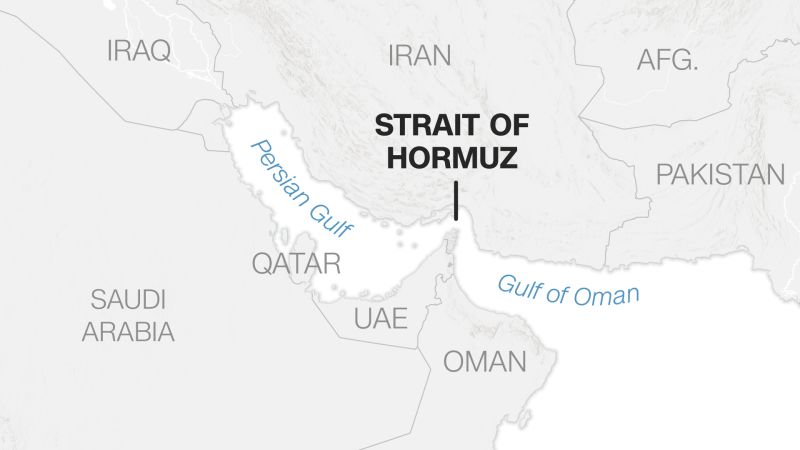
The Strait of Hormuz, a narrow waterway connecting the Persian Gulf to the Arabian Sea, serves as a lifeline for global oil trade. Over 20% of the world’s crude oil supply passes through this strategic passage daily. Analysts have noted that the US-Israeli military actions against Iran disrupted this flow, causing temporary bottlenecks and increasing fears of supply shortages. While the initial attacks raised prices, the peace plan has eased some of these pressures, though experts warn that full recovery may take time.
According to recent reports, the US Energy Information Administration (EIA) has been closely monitoring the volume of oil transiting the strait. “The immediate return to pre-conflict levels is unlikely,” says one industry analyst. “Iran has demonstrated its ability to block key shipping lanes, and the market remains cautious about potential future disruptions.” This sentiment is echoed by the International Energy Agency (IEA), which highlights the delicate balance between geopolitical stability and oil price volatility.
Gasoline Prices Reflect Market Uncertainty
The impact of the conflict is now evident in the prices consumers pay at the pump. In the wake of the peace agreement, average gas prices in the US have declined, with many stations now priced below $4 per gallon. This trend has been particularly notable in states like California and Texas, where prices have dropped by over 15% since the war began. The American Automobile Association (AAA) reported that by early June, the national average for regular gasoline had crossed below the $4 threshold for the first time since March 30, a sign of improving market conditions.
Yet, the drop in prices is not uniform across all regions. In the Midwest, for example, prices remain slightly higher due to logistical challenges and regional supply imbalances. “Fuel costs are still sensitive to global events, even with the war easing,” explains a spokesperson for AAA. “Consumers should remain aware of potential fluctuations as the situation in the Middle East continues to evolve.” This variability underscores the complexity of linking oil price changes directly to local fuel costs.
Tracking the Economic Impact
CNN has been actively tracking both oil and gasoline prices, alongside the movement of vessels through the Strait of Hormuz. Their analysis includes real-time data visualizations, mapping the flow of oil tankers and highlighting shifts in supply routes. These tools provide a clearer picture of how geopolitical events translate into economic consequences for everyday consumers.
Historically, the conflict with Iran has been a catalyst for rising fuel costs. During the war, gasoline prices reached their highest levels in over three years, driven by fears of prolonged supply disruptions. The current decline, however, suggests that the market is adapting to the new stability. “This is a positive development, but we cannot yet say the crisis is fully over,” notes CNN’s Chris Isidore, who contributed to the report. “The peace plan is a step in the right direction, but the long-term effects depend on how Iran manages its commitments.”
Analysts are also examining the broader implications of the conflict on global energy security. The reopening of the Strait of Hormuz is expected to alleviate some pressure on oil prices, but the region’s political instability could still create unforeseen challenges. “The key is whether Iran can maintain consistent operations without further incidents,” says another expert. “Even minor disruptions could send prices surging again.”
Meanwhile, the US gasoline market is showing signs of resilience. Despite the initial spike, prices have gradually stabilized as production and distribution chains adjusted. This has been aided by the surge in domestic oil production and the increase in imports from other regions. However, the cost of fuel remains a significant factor for households, with many still facing higher-than-average prices compared to pre-conflict levels.
Regional Variations and Consumer Behavior
Tracking fuel prices across the United States reveals a nuanced landscape. While the national average has dipped below $4 per gallon, some states have seen more dramatic changes. For instance, in the Northeast, prices have fallen to their lowest since late 2022, while in the West, they remain near the national average. These differences reflect variations in supply, demand, and regional infrastructure.
Consumer behavior has also been affected. With gas prices easing, drivers are reporting increased travel and reduced anxiety about fuel costs. “People are starting to feel more confident about making long trips again,” says a survey conducted by the AAA. “This is a direct result of the declining prices.” However, the economic impact of the conflict extends beyond the pump, influencing everything from transportation costs to inflation rates.
Experts warn that the current stability may be temporary. “The peace plan is a crucial milestone, but it’s not a guarantee of long-term peace,” adds Chris Isidore. “Any new developments could quickly change the dynamics of the market.” This caution is particularly relevant as the region continues to face complex political challenges, including disputes over energy exports and regional alliances.
As the situation develops, monitoring oil prices and gas prices remains essential for understanding the economic landscape. The Strait of Hormuz, once a source of uncertainty, is now a focal point for market participants. With the US and Iran working to restore normal operations, the hope is that prices will stabilize further. However, the path to recovery is not without its hurdles, and consumers will need to stay informed as the conflict’s legacy continues to shape the energy sector.
Conclusion and Future Outlook
The interplay between geopolitical tensions and energy markets has been a defining feature of the recent crisis. As Iran moves to fully open the Strait of Hormuz, the global oil price trajectory may stabilize, but the US gasoline market remains in flux. Tracking these changes requires a combination of real-time data, expert insights, and historical context to paint a complete picture.
Looking ahead, the focus will shift to how the peace plan translates into long-term economic benefits. If the strait remains open and oil supplies increase, prices could continue to decline. However, if tensions resurface, the market may once again experience sharp fluctuations. For now, the easing of conflict has provided a much-needed reprieve, but the road to full recovery is still uncertain.
Ultimately, the prices at the pump are a reflection of the global energy equation. While the immediate effects of the Iran conflict have waned, their influence on the market will linger. As consumers and businesses adapt to the new normal, the ability to predict price trends will depend on ongoing developments in the region and their impact on supply chains worldwide.
