
Saudi Aramco helicopter crash kills 14 nationals
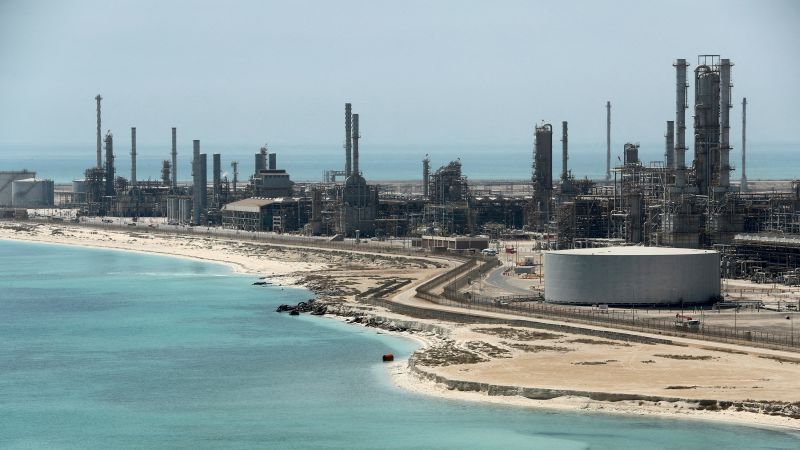
Saudi Aramco Helicopter Crash Results in 14 Fatalities
Saudi Aramco helicopter crash kills 14 nationals – Saudi Arabia’s state news agency confirmed on Sunday that a helicopter operating for Saudi Aramco, the nation’s state-owned oil company, crashed in Ras Tanura, a key port on the eastern coast of the country. The incident occurred west of the strategic Strait of Hormuz, an area critical to global oil trade. The crash claimed the lives of 14 national citizens, though the cause remains under investigation. Details about the crash were sparse, with authorities citing no immediate explanation for the tragedy.
Operational Resumption and Regional Context
Just days prior, Saudi Aramco had resumed crude oil loadings at its Ras Tanura terminal in the Gulf, ending a four-month pause. This resumption came amid heightened activity in the Middle East, where oil and gas production had surged in response to geopolitical tensions. The terminal, a vital hub for exporting Saudi crude, is expected to play a crucial role in meeting international demand as energy markets navigate shifting dynamics. The crash, however, has introduced a setback for the company’s operations and raised concerns about safety protocols in the region.
Located near the Persian Gulf, Ras Tanura serves as a major logistical point for Saudi Arabia’s oil exports. The area is often a focal point during periods of increased shipping activity, especially when global energy markets face volatility. The timing of the crash—early in the morning, at 6 a.m. local time (0300 GMT)—added to the urgency of the situation. Despite the severity of the incident, no additional information was immediately released by the state news agency, leaving questions about the helicopter’s route, crew, and conditions at the time of the crash.
Investigation and Industry Response
“The relevant authorities have launched a full investigation to determine the cause of the crash,” the state news agency stated in a brief update.
While the investigation is ongoing, officials have emphasized their commitment to uncovering the truth behind the tragedy. This includes analyzing flight data, reviewing maintenance records, and interviewing witnesses. The crash has prompted renewed scrutiny of safety measures at Saudi Aramco’s operations, particularly given the company’s role in sustaining the country’s energy output. Industry analysts are closely monitoring the situation, as the incident could influence perceptions of reliability in the sector.
Saudi Arabia, the world’s largest oil exporter, has been actively ramping up its production and export capabilities. This effort is part of a broader strategy to counterbalance the impact of the U.S.-Iran conflict, which has disrupted supply chains and caused fluctuations in global oil prices. The interim deal to halt the war between the two nations has spurred increased activity across the Gulf, with energy producers working to stabilize markets and meet growing demand. In this context, the helicopter crash has highlighted the challenges of maintaining operational efficiency amid heightened geopolitical risk.
Geopolitical Implications and Industry Preparedness
The crash has also drawn attention to the broader implications of regional instability on energy logistics. As Middle East producers intensify their output to offset potential disruptions, the need for robust safety protocols becomes even more critical. Saudi Aramco, which operates one of the largest oil terminals in the world, has long been a cornerstone of the global energy market. The loss of 14 lives underscores the human cost of maintaining this infrastructure, especially in high-stakes environments.
While the immediate focus remains on the investigation, the incident has prompted discussions about the resilience of the oil industry in the face of unforeseen challenges. Experts note that such events, though rare, can have ripple effects on supply chains, affecting prices and shipping schedules. The state news agency’s report, which provided limited details, has left many questions unanswered, but it has also reinforced the importance of transparency in crisis management. Saudi Aramco’s silence on the matter so far has further fueled speculation about the circumstances surrounding the crash.
Historical Significance of the Terminal
Ras Tanura terminal, established in the 1950s, has been a linchpin of Saudi Arabia’s oil industry for decades. It handles a significant portion of the country’s crude exports, making it a symbol of the nation’s energy dominance. The resumption of operations at the terminal after a prolonged halt reflects the importance of maintaining production levels despite challenges. However, the crash has cast a shadow over these efforts, prompting a closer look at the risks associated with maritime and aerial transport in the region.
Historically, the terminal has weathered various crises, from natural disasters to conflicts. Yet, this incident marks a new chapter in its legacy. The helicopter’s role in supporting daily operations highlights the reliance on both land and air logistics to ensure smooth functioning of the industry. As the investigation unfolds, it may shed light on whether the crash was linked to broader operational pressures or a unique set of circumstances. Regardless of the findings, the event serves as a reminder of the complexities involved in managing one of the world’s most critical energy infrastructures.
Saudi Arabia’s energy strategy has always balanced domestic needs with international obligations. The recent increase in oil and gas output reflects this dual focus, as the nation seeks to bolster its economic position and support global markets. The helicopter crash, while a local event, underscores the interconnectedness of the energy sector and the potential for regional disruptions to impact worldwide supply chains. As the investigation continues, the focus will shift to understanding how such an incident can affect both the company’s operations and the stability of the oil market.
International Reactions and Industry Outlook
News of the crash has sparked reactions from energy analysts and international partners. While no direct link to the U.S.-Iran conflict has been established, the timing of the incident coincides with heightened tensions in the region. This has led to speculation about whether the crash was a result of increased operational demands or external factors such as weather conditions or security threats.
Industry insiders suggest that the crash may have occurred during a routine operation, but the lack of details has left room for uncertainty. Saudi Aramco’s decision to resume loadings after four months of downtime indicates confidence in its ability to manage challenges, yet the incident could test this resolve. As the company works to recover, the broader implications for the oil and gas sector remain a topic of discussion, with stakeholders evaluating the risks and resilience of global energy networks.
Despite the tragedy, the focus remains on restoring normalcy at Ras Tanura and ensuring the safety of future operations. The state news agency’s report, though brief, has provided a foundation for the investigation, and further updates are expected. The crash serves as a somber reminder of the dangers inherent in energy production, but it also highlights the determination of Saudi Arabia to maintain its position as a key player in the global oil market.
Conclusion and Looking Ahead
As the investigation into the Saudi Aramco helicopter crash progresses, the focus will shift to understanding the full scope of the incident and its impact on the oil industry. The loss of 14 nationals has underscored the human element in energy logistics, while the resumption of operations at Ras Tanura demonstrates the sector’s adaptability. Moving forward, the company and authorities will need to address both the immediate concerns and the long-term implications of the crash, ensuring that safety remains a top priority in an increasingly complex energy landscape.
