
Average US gas price drops below $4 – barely
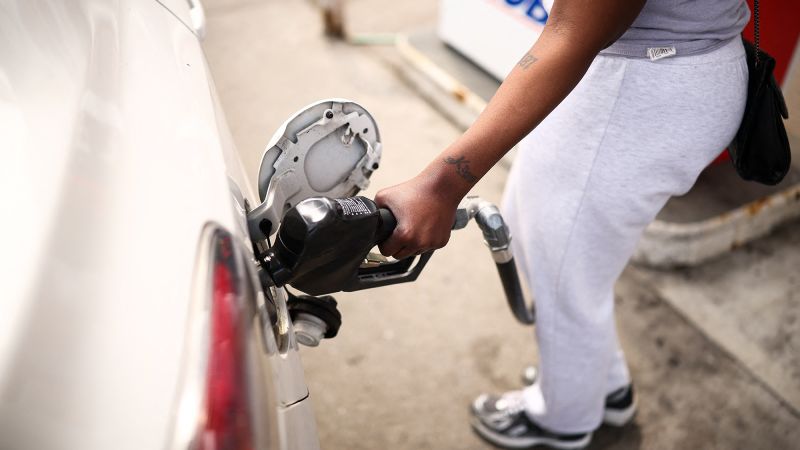
Average US Gas Price Falls Below $4 for the First Time in Months
Average US gas price drops below 4 – The United States has seen its average gas price dip below the $4 threshold for the first time since late March, marking a slight but significant shift in the market. According to data from the American Automobile Association (AAA), the national average for regular gasoline reached $3.999 per gallon on Thursday, a decrease of nearly 3 cents from the prior day. This development follows weeks of steady declines, driven by optimism that the Strait of Hormuz would soon reopen after a prolonged disruption. The closure of the strategic waterway in late February had temporarily cut off approximately 20% of the world’s oil supply, sending prices surging to unprecedented levels.
The Cost of Oil Shortages
The temporary blockage of the Strait of Hormuz created a ripple effect across global energy markets, pushing oil and gas prices to their highest point in months. As the strait’s reopening became imminent, traders anticipated a reduction in supply constraints, leading to a gradual easing of costs. However, the impact of the closure was not limited to price spikes alone. Experts noted that the disruption had forced oil facilities in the region to halt operations, further compounding the supply issue. This led to a scramble to redirect shipments, with many producers and refiners scrambling to restore normal operations.
GasBuddy, a prominent tracking service, reported that gas prices had already fallen below $4 in several states by the weekend, with the national average settling at around $3.98. The decline was steady, though experts caution that the price drop may not be permanent. “It takes time for markets to adjust,” said Tom Kloza, an independent oil analyst and advisor to Gulf Oil, in a recent statement. “Gas prices go up like a rocket and come down like a feather.” This adage highlights the volatility of the energy sector, where rapid increases can be followed by slower decreases.
Global Market Dynamics
Despite the anticipated relief from the Hormuz reopening, the global oil market remains a key driver of U.S. gas prices. The strait’s closure had disrupted the flow of oil from the Middle East, a region that supplies a significant portion of the world’s energy needs. Even with the reopening, the full effects of the disruption may take months to fully unwind. Matt Smith, lead oil analyst at Kpler, emphasized that the return to normalcy for oil shipments would require three to four months, as tankers navigate the newly cleared waterway. “Replenishing the lost supply will take even longer,” he added, noting that damaged facilities in the region need time to restore full production capacity.
Moreover, the U.S. is not the only market affected by the Middle East’s output. Crude oil prices, which have remained stubbornly high, continue to influence the cost of gasoline at the pump. While the immediate impact of the Hormuz closure was severe, the long-term price trends suggest that the market will likely remain elevated for the foreseeable future. The pre-war average of $70 per barrel for crude oil has not been seen again, and analysts warn that sustained prices above this level could persist for the next decade.
Industry Adjustments and Consumer Impact
The recent price drop has provided some relief to drivers, but the recovery is far from complete. Gas station owners, who had previously cut into their own profits to stay competitive, are now adjusting their pricing strategies at a slower pace. This reflects the lingering effects of the price surge, which had driven many stations to raise rates rapidly. “The industry has been forced to adapt quickly to rising costs,” said Dan Pickering, founder and chief investment officer at Pickering Energy Partners. “But the new normal won’t be a return to the $2.85 gasoline of the past.”
Comparisons to the initial price hikes during the war highlight the uneven nature of the market’s response. In the first month of the conflict, prices increased by over $1 per gallon, the largest one-month jump in the past century. Now, the daily decrease averages just 2 cents, a much slower rate of recovery. This gradual decline is partly due to the balance between supply and demand, as well as the release of emergency reserves worldwide. While these measures have prevented prices from rising further, they have not fully restored the pre-war equilibrium.
As the driving season intensifies, some experts predict that pump prices could once again exceed $4 per gallon. “With inventories at their lowest levels in decades, the potential for upward pressure is still present,” noted a recent report from AAA. The combination of seasonal demand and the slow return of oil to market could lead to another spike in prices later this summer. Even if the summer peak does not materialize, returning to the $3 per gallon average is unlikely. The supply chain’s adjustments, both in production and transportation, will require continued time and investment.
A Look at Regional Variations
Regional differences in gas prices underscore the broader market trends. Indiana, for example, currently holds the lowest average at $3.40 per gallon, one of 28 states where prices remain below $4. This regional variation is influenced by factors such as proximity to refining hubs, local demand, and transportation costs. In contrast, states further from the Middle East may still face higher prices as they rely more heavily on imported supplies. “The price of gasoline is a reflection of global oil dynamics, not just local conditions,” explained Kloza, who added that the U.S. market is highly sensitive to international supply changes.
As the world watches the reopening of the Strait of Hormuz, the question remains whether this will be enough to stabilize prices. While the closure’s immediate impact has eased, the broader geopolitical and economic factors affecting the oil market are still in play. The memorandum of understanding between Iran and the United States to end the war has provided a sense of hope, but the path to full recovery is complex. “It’s not just about the strait,” said Smith. “The entire production and refining infrastructure in the region needs to be rebuilt, and that process is not immediate.”
Consumers may see continued fluctuations in the coming weeks, with prices oscillating between slight declines and potential increases. The slow pace of recovery, combined with the global nature of the oil market, means that the average gas price could remain elevated for months. “The key is to understand that this is a new chapter in energy markets,” said Pickering. “We’re in a period of transition, and the $3 gallon is a distant memory for now.”
With the United States now at a crossroads in its energy market, the focus remains on the interplay between supply, demand, and geopolitical stability. While the recent drop below $4 is a positive sign, the path to a sustained lower price is fraught with challenges. As the world continues to monitor developments in the Middle East, the U.S. gas price story is far from over.
