
Before and after images: Wildfire smoke casts skylines in dystopian haze
North American Cities Enveloped in Wildfire Smoke: A Regional Transformation
Smoke Migration Across the Continent
Before and after images – A massive atmospheric event has transformed the visual landscape across multiple American cities as wildfire smoke originating from Canadian forests has migrated southward. The phenomenon has created a dramatic shift in air quality conditions, with thick, brownish haze blanketing urban centers and rural areas alike. This atmospheric intrusion has not only reduced visibility but has fundamentally altered the appearance of city skylines that residents have grown accustomed to seeing under clear blue conditions.
Eastern Seaboard Impacts
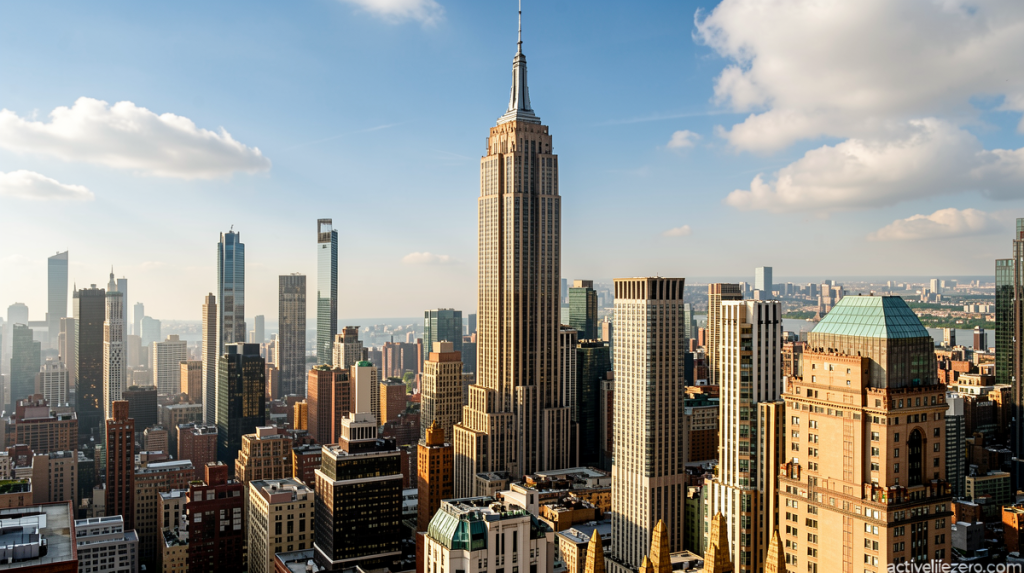
Residents of New York have been experiencing deteriorating air quality conditions since Wednesday, when a dense layer of smoke descended close to the ground level. The proximity of the smoke to street level has made the experience particularly noticeable for pedestrians and commuters navigating the city’s streets. The atmospheric conditions have created a surreal environment where familiar landmarks appear muted and softened by the particulate matter suspended in the air.
Meanwhile, Washington, DC has largely managed to avoid the most hazardous air quality conditions that have affected other regions. However, this relative calm ended on Friday when a substantial haze settled over the nation’s capital. The change was significant enough to be immediately apparent to residents and visitors alike, as the normally crisp views of monuments and government buildings became obscured by the atmospheric blanket.
Midwest and Central Regions Affected
Chicago has emerged as one of the hardest-hit metropolitan areas in the country, experiencing some of the nation’s most severe air quality measurements on Thursday. Even days after the initial peak, the city remains enveloped in a persistent cloud of smoke that continues to affect daily activities and outdoor exposure. The duration of the smoke event in Chicago has been particularly notable, suggesting that the atmospheric conditions may persist for several more days.
Central Pennsylvania has also felt the effects of the smoke migration, with skies undergoing visible changes since Tuesday. The transformation has been gradual but steady, with residents reporting a noticeable shift in the color and clarity of their daily views. The atmospheric conditions have created an unusual twilight-like appearance during midday hours, as sunlight filters through the suspended particles.
Great Lakes Region Transformed
The Minneapolis skyline experienced one of the most dramatic transformations during this event, with the city completely swallowed by smoke on Wednesday. The once-clear horizon became a muted canvas of brown and orange tones, fundamentally changing the character of the urban landscape. This complete envelopment of the city has been described by locals as reminiscent of scenes from science fiction films depicting post-apocalyptic environments.
Similarly, Grand Rapids, Michigan has witnessed a striking color transformation in its skies throughout this week. The characteristic blue of Michigan’s summer atmosphere has given way to a warm brown-orange hue that has persisted for several days. This color shift has been particularly striking for photographers and outdoor enthusiasts who have documented the changing conditions.
Broader Implications
The widespread nature of this smoke event highlights the interconnectedness of North American atmospheric systems. What begins as fires in Canadian forests can rapidly affect millions of people across multiple states and cities. Health officials have been monitoring conditions closely, as prolonged exposure to wildfire smoke can have significant respiratory implications for vulnerable populations. The event serves as a reminder of how climate patterns and environmental factors can create sudden, widespread disruptions to daily life across entire regions.
As the smoke continues to drift and settle, residents across affected areas are adapting to the new atmospheric reality. The visual transformation has been both beautiful and unsettling, creating a shared experience for communities that might otherwise have remained disconnected. Whether this represents a temporary anomaly or a new normal remains to be seen, but the impact on these cities has been undeniable and far-reaching.
