
El-Sayed and Stevens clash over AIPAC and other takeaways from the Michigan Senate debate
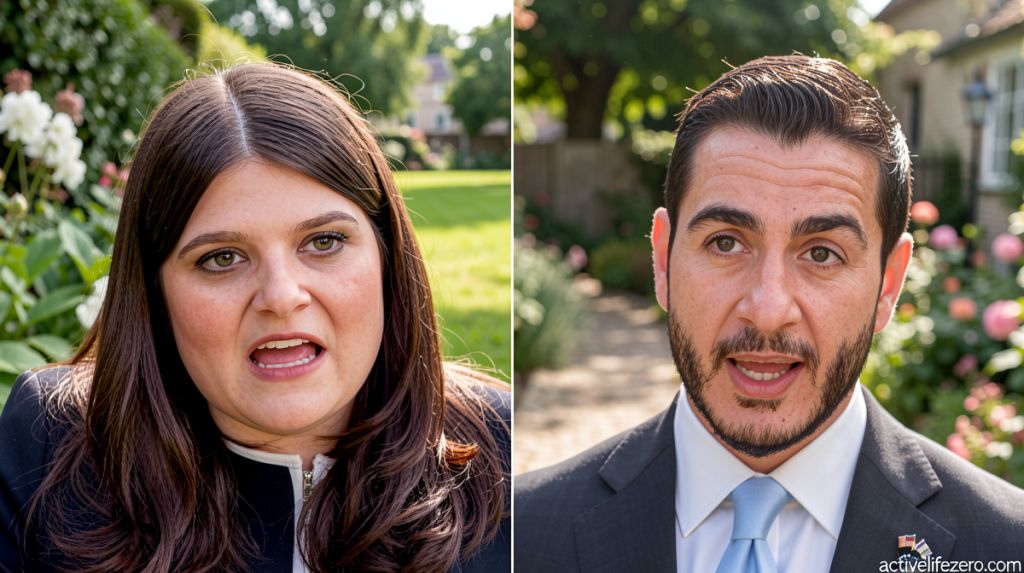
El Sayed and Stevens Clash Over AIPAC in Michigan Senate Debate
El Sayed and Stevens clash over foreign policy and campaign finance during a pivotal Michigan Senate primary debate. The Democratic contest has evolved into a defining moment for the party’s direction, with Haley Stevens presenting herself as an experienced legislative workhorse while Abdul El-Sayed positioned himself as a challenger to political establishment norms. Their contrasting visions became clear Tuesday evening as they addressed voters on critical issues ranging from Israel policy to governance philosophy.
Stakes Rise After McMorrow’s Exit
The debate gained additional significance following state Senator Mallory McMorrow’s decision to end her campaign on Sunday. Her withdrawal transformed the race into a direct confrontation between Michigan Democrats’ progressive and centrist factions. Michigan’s political importance extends far beyond this midterm cycle, as the state will vote early in the Democratic presidential nominating process and remains a crucial battleground in presidential elections.
For Democrats hoping to gain control of the Senate, Michigan represents both opportunity and necessity. The party needs a net gain of four seats to secure a majority in the upcoming election. Retaining the seat held by retiring Senator Gary Peters appears essential to achieving that objective.
AIPAC Funding Dominates Discussion
Financial support from Israel-related organizations became an immediate flashpoint. El-Sayed, who has been outspoken about Israel’s military operations in Gaza and the broader conflict with Iran, criticized Stevens for accepting tens of millions in external funding from AIPAC’s super PAC. This debate highlighted deeper philosophical divisions about American foreign policy and how campaign money shapes legislative priorities.
“The reason that we’ve seen this war [with Iran] fought is because of the impact of AIPAC in our politics. AIPAC has spent tens of millions of dollars on attack ads against me, or ads lying about the congresswoman’s record. They clearly want one individual, and it’s not me,” El-Sayed declared.
El-Sayed argued that special interests are investing heavily to defeat him because they view Stevens as more susceptible to their influence. He characterized the situation as a choice between politicians who serve their donors versus those who represent ordinary citizens.
“If you want your politics dictated to you by AIPAC or Chuck Schumer, then I’m not your guy,” he stated, referencing the Senate Democratic leader.
Policy Differences Emerge
Stevens responded firmly to El-Sayed’s criticisms, emphasizing her independence and legislative record. She rejected the notion that she could be easily controlled by external forces.
“Well, Abdul, I would say no one is afraid of you,” Stevens countered. “The difference between my opponent and myself on this issue is that I believe in a two-state solution. I can say that Israel has a right to peacefully exist alongside the people of Palestine and in Gaza.”
She further criticized Prime Minister Netanyahu’s leadership, asserting that his policies have neither enhanced American security nor advanced peace prospects. Meanwhile, El-Sayed maintained his commitment to equal rights for both Palestinians and Jewish Israelis.
“I believe in equal rights to peace, dignity, and self-determination for Palestinians and Jewish Israelis alike,” El-Sayed insisted. “But the question I think the congressman needs to answer is, why has she allowed $40 million of outside spending, the bulk of it coming from AIPAC, to come into this race?”
Communication Styles Under Scrutiny
Communication styles and campaign methodologies formed another major debate theme. Stevens portrayed El-Sayed as less serious and more focused on personal branding, contrasting her own legislative accomplishments with her opponent’s tendency toward online popularity. She highlighted that she lacks a talent agent pitching her for paid speaking engagements—a distinction she emphasized as evidence of her authenticity.
El-Sayed, by contrast, leveraged his frequent appearances on television, podcasts, and at public rallies as proof of his accessibility and connection with voters. Both candidates questioned whether their rival possessed the qualities necessary to defeat former Representative Mike Rogers in November’s general election.
Beyond Israel policy and campaign finance, the hour-long debate covered artificial intelligence regulation and free trade agreements. El Sayed and Stevens clash over these issues as well, demonstrating that their disagreement extends beyond a single topic to encompass a broader vision for Michigan’s future representation in Washington.
