
The world’s most livable city for 2026 has been revealed
The World’s Most Livable City for 2026 Revealed
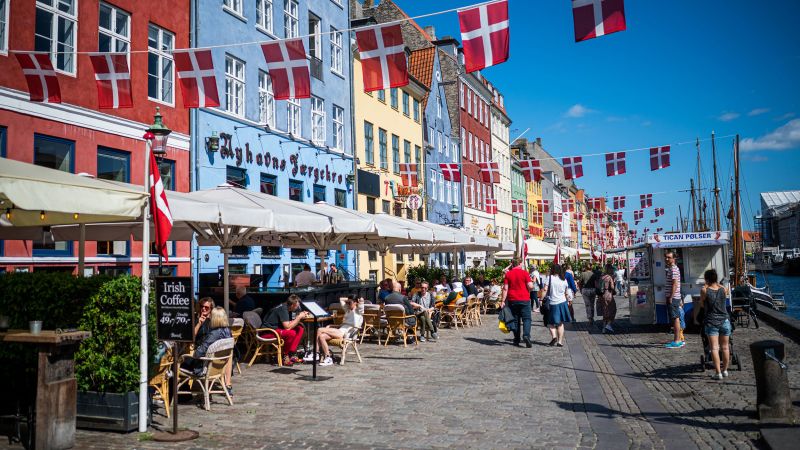
The world s most livable city – Global landscapes are evolving rapidly, yet certain constants persist in the realm of urban livability. Despite the swift changes in technology, politics, and culture, one city continues to hold the top spot in the latest annual rankings by the Economist Intelligence Unit (EIU). Copenhagen, the Danish capital, has maintained its position as the most livable city for two consecutive years, a feat that underscores its consistent excellence across key metrics. This year’s list, announced on Tuesday, features cities evaluated on a spectrum of factors, including education, stability, healthcare, infrastructure, and cultural appeal.
Key Factors in the Ranking
The EIU, a sister organization to the renowned *The Economist* magazine, assesses cities based on a comprehensive framework. This year’s evaluation included 173 global cities, each scored on criteria that reflect the quality of life. Stability, infrastructure, and education emerged as critical pillars for Copenhagen’s success, with the city achieving “perfect” marks in these categories. Meanwhile, healthcare and cultural vibrancy also played significant roles in its sustained leadership.
Regional Highlights and U.S. Performance
For American readers, the rankings offer a mixed picture. New York City climbed three positions to 66th place, driven by notable gains in the stability category. This improvement is attributed to a decline in crime rates and a perception of reduced terrorist threats. However, Honolulu retained its status as the highest-ranked U.S. city overall, though it slipped two spots to 25th. Vancouver, at No. 9, remains the only North American city in the global top 10, a testament to its quality of life and natural beauty.
Shifting Dynamics in Top Cities
The top 10 list showcases a dynamic shift compared to previous years. Melbourne, Australia, rose to third place, moving up one position from last year’s standings. Sydney, another Australian contender, surged from sixth to fourth, highlighting the nation’s progress in healthcare and public services. Zurich, Switzerland, which shared the second position with Vienna last year, now trails Geneva, which climbed to sixth. This change reflects evolving priorities in the region, as stability and economic factors influence rankings.
Challenges in the Gulf Region
Meanwhile, the Gulf region faced challenges in maintaining its previous standing. The ongoing conflict with Iran has impacted stability scores for cities in the area, resulting in a noticeable decline. Muscat, Oman, dropped 14 places to 123rd, while Kuwait City fell 12 spots to 105th. These movements highlight the interconnectedness of global events and urban livability, as regional tensions ripple through economic and social indicators.
Global Trends and Regional Comparisons
Asia’s performance in the rankings has improved, with the region’s average livability score rising slightly to 73.9. This uptick is primarily due to advancements in healthcare, particularly in cities like Fuzhou, China. Fuzhou climbed seven positions to 93rd, thanks to enhanced funding schemes and new long-term care insurance systems. In contrast, Western Europe remained the strongest region overall, though its average score of 91.7 was marginally lower than in 2025. This suggests a gradual shift in the balance of global competitiveness, as emerging economies gain traction.
Recovery and Resilience
London, the United Kingdom’s capital, saw a recovery after last year’s dip, attributed to a period of social unrest. Manchester now leads the UK’s rankings at 52nd place, outperforming London, which secured 54th, and Edinburgh, at 64th. This resurgence reflects the resilience of British cities in adapting to challenges, maintaining their appeal despite temporary setbacks.
Bottom of the List: Damascus and Tehran
At the lower end of the rankings, Damascus, Syria, continues to hold the title of the least livable city. However, the list saw a notable reshuffling due to the ongoing war with Iran. Tehran, the Iranian capital, dropped to 164th, while Kyiv, Ukraine, fell to 166th. These changes illustrate how geopolitical instability can directly affect a city’s livability, with factors like safety and economic security taking a toll.
Expert Insights on Global Livability
“The average livability score globally is the same as last year, because the stability declines (in the Middle East) and healthcare improvements (in Asia) offset each other across the 173 cities,” said Ana Nicholls, industry director at the EIU. Her statement underscores the delicate equilibrium between regional challenges and progress, shaping the overall perception of urban livability. Nicholls also noted that Asia’s rise in healthcare scores has led to a new distribution of top cities, with nine Asian metropolises now among the world’s 20 most livable, alongside seven European counterparts.
Copenhagen’s dominance in the rankings is not accidental. A spokesperson from the EIU highlighted its “winning combination of excellent scores in stability and infrastructure, great culture and environment, and high quality of public services.” This holistic approach to city evaluation ensures that the rankings capture both tangible and intangible aspects of urban life. Stability, in particular, remains a cornerstone of Copenhagen’s appeal, with its robust social policies and low crime rates creating a secure environment for residents.
Looking at the top 10, the list includes a blend of traditional and modern cities. Osaka, Japan, retained its seventh-place position, while Adelaide, Australia, climbed to eighth. Tokyo, at 10th, continues to be a strong contender in the Pacific region. The presence of these cities in the top rankings reflects their ability to balance economic growth with quality of life, addressing concerns from education to environmental sustainability.
The EIU’s annual report serves as a valuable tool for policymakers, investors, and residents seeking to understand the global shifts in urban livability. While Copenhagen’s achievements are a benchmark, the report also highlights opportunities for other cities to improve. For instance, the U.S. could learn from Australia’s success in healthcare and education, while the Gulf region’s cities may need to focus on stabilizing their economic and social environments to regain momentum.
Top 10 Cities for 2026
Here is the list of the top 10 cities according to the 2026 EIU rankings: 1. **Copenhagen, Denmark** 2. **Vienna, Austria** 3. **Melbourne, Australia** 4. **Sydney, Australia** 5. **Zurich, Switzerland** 6. **Geneva, Switzerland** 7. **Osaka, Japan** 8. **Adelaide, Australia** 9. **Vancouver, Canada** 10. **Tokyo, Japan**
These rankings are a snapshot of global urban development, emphasizing that while some cities maintain their prominence, others are gaining ground through strategic investments and social progress. The EIU’s work continues to shed light on the factors that define livability in an ever-changing world, offering insights that transcend borders and cultures.
