
OpenAI in talks to give Trump administration a 5% stake in the company, FT reports
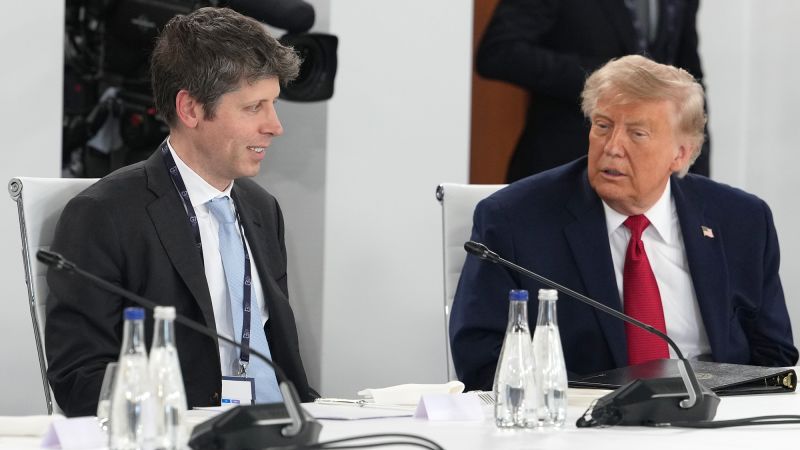
OpenAI Discusses 5% Stake for Trump Administration, Report Says
OpenAI in talks to give Trump – OpenAI is in talks to grant the Trump administration a 5% equity stake in the company, according to a report by the Financial Times. The tech firm, known for developing the popular ChatGPT platform, is reportedly exploring a deal that would allow the U.S. government to share in the economic rewards of artificial intelligence. This initiative comes amid increased scrutiny of AI’s role in shaping the future of technology and its potential impact on national priorities. The proposal, if finalized, could mark a significant shift in how the private sector and public institutions collaborate on emerging innovations.
Public Investment and AI Equity Models
The idea of allocating 5% of OpenAI’s equity to a government-backed entity has gained traction as a way to democratize AI’s financial benefits. CEO Sam Altman has supported the notion, arguing that such a move would enable broader public participation in the economic growth driven by AI advancements. The Financial Times noted that this strategy aligns with efforts to create a shared prosperity model, similar to the Alaska Permanent Fund, which channels state oil revenues into investments for residents. If implemented, this could set a new standard for corporate accountability in the tech industry.
“A public wealth fund allows every citizen, including those not engaged in financial markets, to claim a share in AI’s transformative potential,” Altman explained in a recent statement, reinforcing his vision for equitable distribution of profits. The concept has drawn attention from policymakers, who see it as a way to ensure that government stakeholders benefit from the rapid expansion of AI technologies.
Regulatory Challenges and Industry Collaboration
OpenAI’s proposal follows a period of regulatory uncertainty for AI firms. Both OpenAI and its competitor Anthropic have faced delays in launching new models due to government oversight. Anthropic recently announced that export controls on its advanced Claude models had been eased after negotiations with U.S. officials, signaling a potential turning point in AI policy. This development has prompted discussions about how to balance innovation with national security and economic control, with OpenAI’s stake offering a tangible example of such collaboration.
Supporters of the plan suggest that granting the Trump administration a 5% share would help align AI development with public interests. The White House has been actively seeking ways to ensure federal authorities have a say in the sector’s growth, including requests for OpenAI to limit the release of its next-generation GPT model to government-approved partners. While the details remain under review, the move underscores a growing emphasis on integrating AI firms into broader economic strategies.
Historical Precedents and Financial Implications
Earlier this year, the U.S. government secured a 10% stake in Intel, a semiconductor leader, for $8.9 billion, setting a precedent for public investment in tech giants. This historical context may influence how OpenAI’s 5% stake is structured, with estimates placing its value at approximately $42.6 billion based on the company’s $852 billion valuation. The financial commitment involved would be substantial, yet proponents argue it’s a strategic step toward securing long-term benefits from AI’s growth.
OpenAI’s potential stock listing adds another layer to the proposal. A government stake could enhance transparency and provide a framework for public oversight. The company has not yet confirmed the details, but the talks highlight a broader trend of government engagement with AI enterprises. As the sector evolves, this partnership could redefine the relationship between innovation and public policy, with implications for future tech developments.
