
Central banks think the US has become riskier. They plan to sell dollars and buy gold
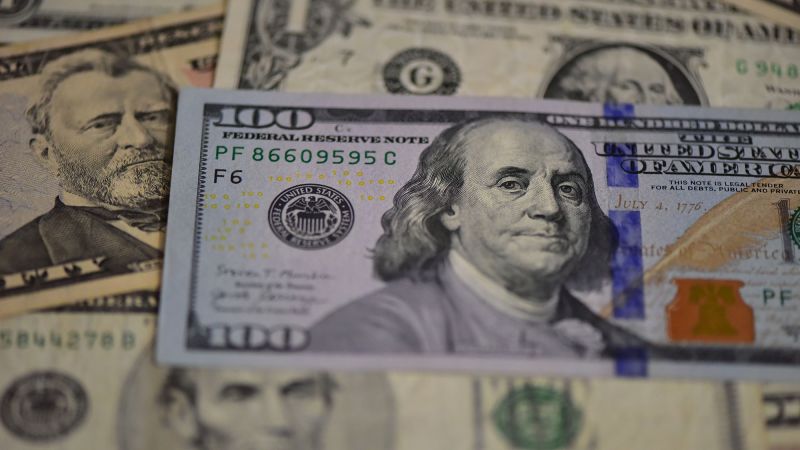
Central Banks Think the US Has Become Riskier. They Plan to Sell Dollars and Buy Gold
Central banks think the US has become – Geopolitical tensions and evolving perceptions of the U.S. economy have prompted a notable shift in central bank strategies, according to a new global survey. For the first time, more central banks are prioritizing the reduction of their dollar reserves over expansion, reflecting a growing concern about the risks tied to the U.S. currency. This sentiment comes amid escalating conflicts in the Middle East, where U.S. involvement has disrupted global energy markets, and as President Donald Trump seeks to implement new tariffs, signaling a more erratic foreign policy agenda.
Survey Insights: A Global Trend Away from the Dollar
The findings emerged from the Official Monetary and Financial Institutions Forum (OMFIF), an independent research organization based in London. Conducted between March and May of this year, the survey gathered responses from 74 central banks worldwide. It marks the first instance since 2023 where the desire to cut dollar holdings has surpassed the intent to increase them, indicating a broader realignment in global financial priorities. The report highlights that political risks linked to the U.S. have intensified, leading institutions to reconsider their reliance on the dollar as a primary reserve asset.
The Emergence of De-Dollarization
Central banks are increasingly exploring alternatives to the U.S. dollar, a trend often referred to as “de-dollarization.” This strategy involves reducing the use of the dollar in international trade and financial transactions, thereby diminishing its demand and long-term value. The shift is part of a wider effort to diversify currency holdings and mitigate exposure to a single nation’s economic and political volatility. Despite this, the dollar remains a dominant force, with its share in global central bank reserves hovering around 58% over the past five years, as noted by Andrea Correa, OMFIF’s head of research.
Gold as a Safe Haven Asset
Amid this transition, gold has emerged as a favored investment, with a record number of central banks planning to boost their gold reserves. Even as prices surged over 20% in the past year, demand for the precious metal has risen, driven by its role as a hedge against geopolitical uncertainty and doubts about the stability of the international monetary system. The OMFIF report underscores that 51% of surveyed institutions cited protection against geopolitical risks as a key motivator for this shift, up from 40% in 2024.
“This year, geopolitics has overtaken the U.S. political environment in discouraging investment in the dollar, reflecting the perceived role of the U.S. in elevating geopolitical risk,” the OMFIF report observed.
The increasing preference for gold aligns with a broader trend of diversification. While the dollar continues to dominate portfolios, its influence is gradually waning. The report suggests that gold is now central to strategies for managing national asset portfolios, serving as a counterweight to the uncertainties surrounding the U.S. and other major economies.
Diversification and the Rise of Alternative Currencies
Central banks are also showing interest in other currencies as part of their de-dollarization efforts. The euro, for instance, has gained traction, with two-thirds of respondents indicating it is becoming more attractive for international trade compared to 43% last year. Euro-denominated international debt hit a record high in 2025, and the euro became the leading currency in green bonds, as highlighted by Karsten Stroborn, director general of markets at Germany’s central bank.
“Euro-denominated international debt reached record levels in 2025 and the euro became the leading currency in green bonds,” Stroborn noted in the report.
Additionally, the Singapore dollar, South Korean won, and South African rand are seeing growing demand as central banks seek to spread risk across multiple currencies. This diversification is not merely a response to U.S. policy but also reflects a desire to reduce dependence on any single currency, particularly in the face of rising global uncertainties.
Implications for the U.S. Dollar and Global Markets
The U.S. dollar’s decline in central bank reserves, which fell to a two-decade low last year according to JPMorgan, signals a long-term challenge to its dominance. While the dollar remains a cornerstone of global finance, the trend suggests a more cautious approach. Central banks are now balancing their portfolios with a mix of stable currencies and safe-haven assets like gold, creating a more resilient financial framework.
This shift could have significant implications for the U.S. economy. A decrease in dollar demand might lead to a weaker currency, affecting trade balances and investment flows. However, the report also notes that the dollar is expected to retain its primary role for the foreseeable future, though its share may gradually shrink as alternatives gain ground.
A Global Rebalancing Act
The movement toward de-dollarization and gold investment represents a strategic rebalancing of global financial systems. Central banks are no longer content with relying solely on the dollar, especially as geopolitical events and economic policies create a more complex landscape. The survey highlights a collective effort to build resilience against external shocks, with the euro and renminbi being key players in this transformation.
For example, the renminbi is being viewed as a viable alternative for diversification, with nearly all central banks surveyed acknowledging its potential in reducing reliance on the dollar. Meanwhile, the euro’s appeal has grown, with 29% of respondents expressing a desire to increase their holdings of the currency in the long term, up from 22% in the previous year. These changes, while gradual, signal a fundamental shift in how global markets perceive the U.S. dollar and its role in international finance.
As central banks navigate this evolving environment, their decisions will likely shape the future of global currency dynamics. The interplay between political risks, economic policies, and the search for stability is driving a new era of financial strategy, one that prioritizes resilience and adaptability. Whether the dollar’s decline will accelerate or slow depends on how the U.S. manages its geopolitical and economic challenges, but the trend toward de-dollarization and gold investment shows no signs of reversing.
