
NASA makes moves to dodge costly delays on its path to build a $30 billion moon base
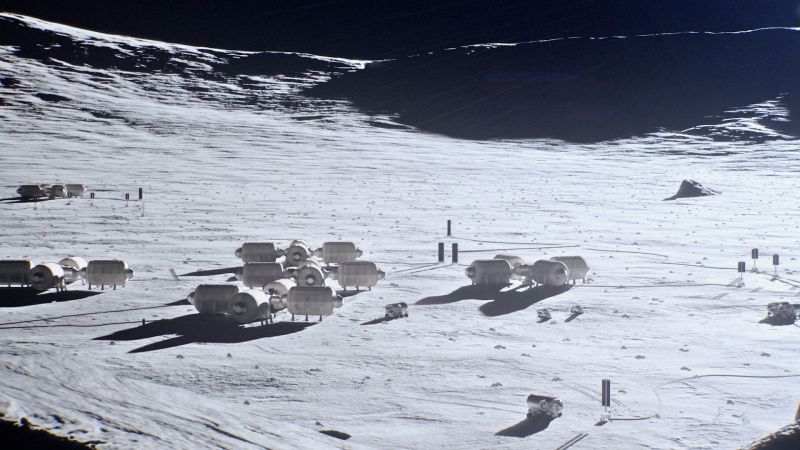
NASA Dodges Delays in Moon Base Construction
NASA makes moves to dodge costly – NASA is taking steps to avoid costly delays in its lunar construction efforts. The agency recently announced a series of strategic actions aimed at streamlining its path to building a $30 billion moon base. Key to this initiative is the allocation of $590 million to private contractors, including Astrobotic, Firefly Aerospace, and Intuitive Machines, to deploy essential technologies and infrastructure. These missions are designed to accelerate progress, ensuring that the long-term goal of a sustainable lunar presence remains on track despite past setbacks.
Phase 1: Laying the Groundwork
Phase 1 of NASA’s moon base program focuses on establishing the foundational systems required for future operations. The first set of missions, slated for completion by 2028, will cost around $10 billion and involve robotic systems to map the lunar terrain, test landing technologies, and deliver key components. A notable development is the potential repurposing of a Mars rover, “Promise,” for lunar use, which could cut costs and speed up deployment. This phase also includes rebranding existing missions under the unified “Moon Base” framework, reinforcing NASA’s commitment to a cohesive strategy.
By partnering with private firms, NASA is leveraging industry expertise to reduce reliance on in-house development. This approach not only diversifies the supply chain but also ensures faster innovation. The agency emphasized that these collaborations are critical for overcoming challenges such as equipment failure and resource constraints. With the new contracts, NASA aims to deploy advanced tools that will support long-term exploration and prepare for human missions by the 2030s.
Overcoming Obstacles and Future Goals
Despite its progress, NASA faces hurdles in maintaining its timeline. The recent rocket explosion by Blue Origin has raised concerns about potential delays in delivering its robotic lander to the lunar south pole, a key location due to its water ice deposits. While this incident poses a risk, NASA is exploring contingency plans, including alternative launch vehicles, to stay on schedule. “We’re looking at other options,” said Carlos García-Galán, the program’s lead executive, highlighting the agency’s adaptability.
Phase 2 and Phase 3 of the project outline NASA’s vision for a self-sustaining lunar settlement. These stages will involve constructing pressurized habitats, setting up power systems, and developing life-support technologies. The goal is to create environments where astronauts can reside and work for extended periods. García-Galán noted that these phases are not just about building structures but also about creating systems that enable long-term human presence on the moon.
As the competition in space exploration intensifies, NASA’s efforts to prevent delays are gaining urgency. China’s rapid advancements, including its far-side research station and robotic missions, have pushed the agency to prioritize efficiency. By focusing on cost-effective solutions and strategic partnerships, NASA aims to secure its position as a leader in lunar endeavors. The $30 billion moon base project is now seen as a cornerstone of the agency’s broader plans for deep space exploration.
Global Rivalry and Strategic Implications
NASA’s moves to dodge delays are increasingly tied to its rivalry with China in space. The U.S. space agency has stressed the importance of maintaining momentum to outpace international competitors. With China’s success in lunar missions, NASA is doubling down on its infrastructure-building efforts to ensure technological and operational superiority. The agency’s rebranding of missions under the “Moon Base” initiative reflects a unified approach to securing a strategic foothold on the moon.
“We’re not just building a base; we’re creating a platform for future exploration,” García-Galán said in a recent statement. This sentiment underscores NASA’s long-term vision, which extends beyond the moon to Mars and beyond. By avoiding delays in the early stages, the agency hopes to position itself as a leader in the global push for interplanetary colonization. The moon base project is now a critical step in achieving that ambition.
