
Medicare will start covering weight-loss drugs on July 1 for the first time. Here’s what you need to know
Medicare to Cover Weight-Loss Drugs Starting July 1
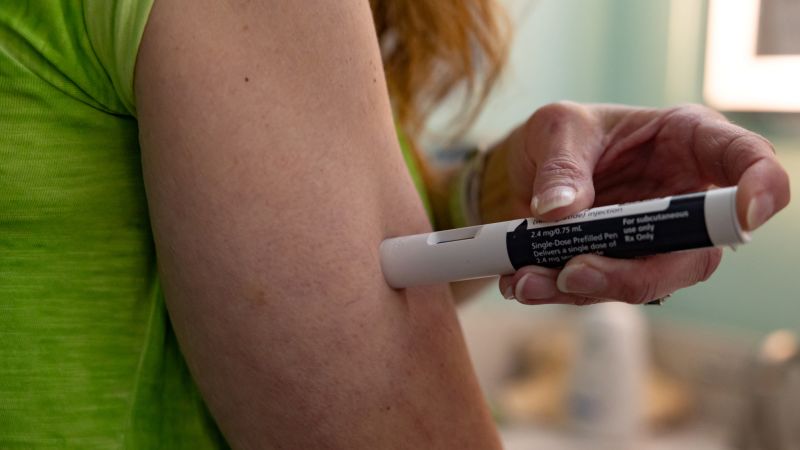
Medicare will start covering weight loss – Starting July 1, Medicare will begin covering weight-loss drugs for the first time, marking a significant shift in healthcare policy. This new initiative, known as the Medicare GLP-1 Bridge, targets seniors with obesity-related conditions and aims to reduce financial barriers to treatment. Weight-loss medications like Wegovy and Zepbound will now be available through Medicare Part D plans, offering millions of beneficiaries access to tools that can improve their health and quality of life. The move reflects growing recognition of obesity as a medical condition that requires targeted interventions, especially for older adults who often face higher healthcare costs.
Eligibility for Medicare Weight-Loss Coverage: Key Criteria
To qualify for the Medicare GLP-1 Bridge program, beneficiaries must meet specific health criteria. Those with a body mass index (BMI) of 35 or higher are automatically eligible, regardless of when they initiated GLP-1 therapy. For individuals with a BMI between 30 and 35, additional conditions are required, such as uncontrolled high blood pressure or prediabetes. Patients with a BMI of 27 to 30 must demonstrate a chronic health issue like heart disease, stroke, or advanced kidney disease to qualify. This structured approach ensures that weight-loss coverage under Medicare is reserved for those with the greatest medical needs.
“This change in Medicare weight-loss coverage is a game-changer,” said Dr. Catherine Varney, a Virginia-based obesity specialist. “It means seniors who struggle with weight management no longer have to choose between essential medications and other expenses.”
The program’s design also emphasizes affordability. While the cost of Wegovy and Zepbound can exceed $1,000 per month, the Bridge initiative aims to lower these prices through negotiated rates. For example, Zepbound may now cost as little as $50 monthly for eligible participants, making it accessible for those who previously could not afford the drugs. This adjustment could lead to measurable health improvements, including reduced risk of heart disease and better diabetes management, as patients finally have a reliable way to address weight-related concerns.
How the Medicare Weight-Loss Program Will Impact Seniors
For many Medicare beneficiaries, the introduction of weight-loss coverage under Medicare represents a long-awaited relief. Seniors like Mary Abrahamson, a 71-year-old woman from rural Washington, will now have access to medications that have transformed her health. Her husband, Jeff, 77, has also benefited from the program, allowing them to allocate savings toward home upgrades or travel. These personal stories highlight the potential for Medicare weight-loss coverage to reduce out-of-pocket costs and encourage healthier lifestyle choices, particularly for those with limited income.
“Medicare covering weight loss has made a huge difference,” Abrahamson noted. “I can now walk my dogs without fatigue and sleep better at night. It’s given me a renewed sense of independence.”
Experts predict that this initiative will not only improve individual health outcomes but also contribute to broader public health benefits. By addressing obesity through Medicare weight-loss coverage, the program could help reduce the incidence of related conditions like type 2 diabetes and cardiovascular disease. However, the temporary nature of the Bridge program means beneficiaries must stay informed about its duration and any future changes to eligibility or drug selection.
Trump Administration’s Temporary Approach to Weight-Loss Coverage
The Medicare GLP-1 Bridge program was launched as part of a 2025 agreement between the Trump administration and pharmaceutical giants Eli Lilly and Novo Nordisk. This collaboration aimed to stabilize the cost of weight-loss medications while testing their integration into standard care. The temporary framework allows Medicare to evaluate the program’s effectiveness before considering permanent coverage under weight-loss drugs. This approach balances innovation with fiscal responsibility, ensuring that the program remains adaptable to future healthcare needs.
While the current Medicare weight-loss coverage is limited to specific drugs, the pilot program sets the stage for potential expansion. The administration’s decision to grant temporary access reflects a strategic effort to address rising prescription costs and improve patient outcomes. However, critics argue that the temporary nature of the initiative may create uncertainty for beneficiaries who rely on these medications for long-term weight management. Despite this, the program is seen as a critical step toward recognizing obesity as a condition that demands medical intervention, not just lifestyle adjustments.
