
American Airlines flight aborts takeoff in Miami after business jet enters the same runway
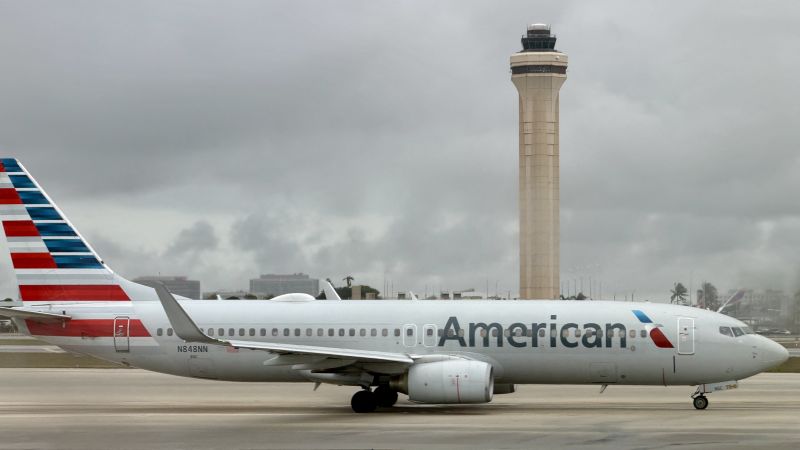
American Airlines Flight Aborts Takeoff in Miami After Business Jet Enters Same Runway
American Airlines flight aborts takeoff in Miami – Saturday evening in Miami, an American Airlines flight bound for Bermuda was forced to call off its departure after a business jet intruded onto the same runway. The incident, which occurred around 6 p.m. ET, highlights the challenges of maintaining safe air traffic flow during high-demand periods. According to an airline spokesperson, the takeoff was aborted “after receiving clearance” from air traffic control when the flight crew detected another aircraft on the runway. The situation escalated quickly, leading to a brief but critical communication between the business jet pilot and air traffic controllers.
Runway Encroachment Sparks Tense Exchange
The moment the conflict arose, the air traffic control audio captured a tense back-and-forth. A recording from LiveATC.com reveals that the controller first alerted the business jet pilot, stating,
“You just crossed an active runway.”
The pilot responded with,
“You just told me to cross the runway, sir.”
The controller then clarified,
“No, we said Amerijet 461.”
This exchange underscores the confusion that can occur in busy airspace, even with established protocols.
The business jet, identified as NetJets Flight EJA434, was under the operational control of a third-party maintenance vendor at the time. This detail adds complexity to the incident, as it raises questions about the coordination between private aviation companies and public air traffic management systems. The private jet came within a third of a mile of the American Airlines aircraft before the emergency was identified, creating a high-risk scenario for both planes.
Recent Aviation Incidents Raise Concerns
This event marks the latest in a series of aviation near-misses that have occurred in recent weeks, particularly as the nation prepares for the Fourth of July holiday. On Friday, a similar incident involved a United Airlines passenger jet nearly colliding with a drone while landing in New Jersey. The pilot described the moment as “extremely close,” emphasizing the growing need for vigilance in shared airspace.
Aviation safety experts have noted that runway incursions are a persistent issue, often stemming from miscommunication, human error, or technical malfunctions. The Miami incident, while resolved without damage, serves as a reminder of the critical role air traffic control plays in preventing such collisions. The FAA has been actively monitoring these occurrences, with officials expressing concern over the frequency of incidents during peak travel times.
American Airlines’ Response and Operational Adjustments
In a statement issued Saturday, American Airlines acknowledged the event and expressed gratitude for the actions of its crew. “We appreciate the quick decisions made by our flight team and thank our passengers for their patience,” the spokesperson said. Despite the abort, the flight eventually departed for Bermuda, with no reported injuries or delays beyond the initial stop.
The airline’s statement also emphasized its commitment to safety, noting that all procedures were followed correctly. However, the incident has sparked discussions about the need for additional training and real-time monitoring systems. Air traffic control towers in Miami have since reviewed their protocols, aiming to improve response times and reduce the likelihood of similar events.
NetJets, the operator of the business jet involved, confirmed that the aircraft was under the control of a third-party vendor. This arrangement, common in private aviation, allows for flexible scheduling but may introduce challenges in communication and oversight. NetJets has not yet released details about the cause of the jet’s deviation, though initial reports suggest the pilot may have been following instructions without realizing the runway was active.
Broader Implications for Air Safety
The Miami incident has reignited debates about the integration of private and commercial aviation in shared airspace. With private jets and business aircraft increasingly using the same runways as scheduled passenger flights, the risk of conflicts is growing. Aviation authorities have called for enhanced coordination between vendors and air traffic control, as well as the implementation of advanced technology to track aircraft movements in real time.
Experts warn that such incidents can have cascading effects on air traffic flow, particularly during peak hours. The FAA is currently investigating the event, with officials indicating that they will review the air traffic control audio and flight data to determine if any systemic issues contributed to the near-collision. The agency has also expressed interest in examining the third-party vendor’s role in the incident.
Passengers on American Airlines Flight 308 were reportedly unaware of the situation during the abort. However, the airline has since informed them of the event, offering reassurance that all safety measures were in place. For now, the focus remains on ensuring that the runway remains clear for subsequent flights. The FAA has requested a detailed report from the airline and the third-party vendor, which is expected to provide further insight into the incident’s cause and prevention strategies.
As the aviation industry continues to grow, the balance between efficiency and safety becomes increasingly delicate. The Miami incident, while isolated, reflects a broader trend of operational challenges in shared airspace. Airlines and air traffic control agencies are working together to implement new safeguards, including real-time alerts and improved communication channels. These measures aim to prevent similar incidents and ensure that passengers can travel with confidence, even during the busiest travel periods.
CNN has contacted the Federal Aviation Administration to seek additional details about the incident and its implications. The FAA’s response, which will be shared soon, is expected to shed light on whether the event was an isolated occurrence or part of a larger pattern. For now, the story remains under active investigation, with authorities urging continued vigilance from all aviation stakeholders.
The incident has also prompted a review of Miami’s air traffic management systems. The city’s airport handles a significant volume of flights, and the recent near-miss has highlighted the need for upgrades to infrastructure and procedures. Engineers are assessing the radar systems and communication networks to ensure they can handle increased traffic without compromising safety. This review is part of a broader effort to modernize the nation’s air traffic control systems, which have been under scrutiny for years.
As the Fourth of July approaches, the incident serves as a timely reminder of the importance of air safety. While no damage was reported, the potential for a collision underscores the risks of shared runway usage. Both American Airlines and NetJets have pledged to work closely with the FAA to prevent future occurrences, ensuring that passengers and crew remain safe during the holiday travel season.
