
Wildfires cast a shadow over Utah’s Fourth of July as fireworks are restricted and communities mourn treasured places
Utah’s Fourth of July Fireworks Face Restrictions Amid Wildfire Crisis
Wildfires cast a shadow over Utah – Utah is experiencing one of its most intense wildfire seasons, prompting state authorities to impose strict limitations on Fourth of July fireworks. This decision comes as the state prepares to celebrate its 250th Independence Day, with officials emphasizing the heightened risk of new fires. Governor Spencer Cox described the move as a tough but necessary step, acknowledging the emotional weight of the restriction on Utahns who cherish traditional festivities.
“Nothing about this decision was easy,” Cox stated in a Friday news release.
“Utahns love celebrating the Fourth of July with family, friends, and fireworks. I do too. But this year is different. We are seeing fire behavior that even our most experienced firefighters say they’ve never witnessed before.”
The governor’s office attributed the extreme conditions to a combination of factors, including a historic drought, over 500 wildfires, and unpredictable weather patterns that have left vegetation dangerously dry.
Firefighters are operating under unprecedented challenges, with limited resources to address both existing blazes and potential new ones. State officials noted that more than 75% of the wildfires this season originated from human activities, underscoring the need for immediate action. The National Weather Service in Salt Lake City issued its first-ever “particularly dangerous situation” red flag warning, signaling the most severe fire weather risk across central and southern Utah. This alert, classified as a Level 3 of 3, highlights conditions where a single spark could ignite a rapidly spreading fire.
Local leaders are now tasked with identifying safe zones for fireworks use, working closely with fire officials. While the ban is temporary, it reflects the extraordinary circumstances of 2026. “This measure is designed to protect lives and homes while giving communities time to assess risks,” Cox explained. The restrictions aim to balance safety with the opportunity for controlled celebrations in designated areas.
The Cottonwood Fire: A Devastating Threat
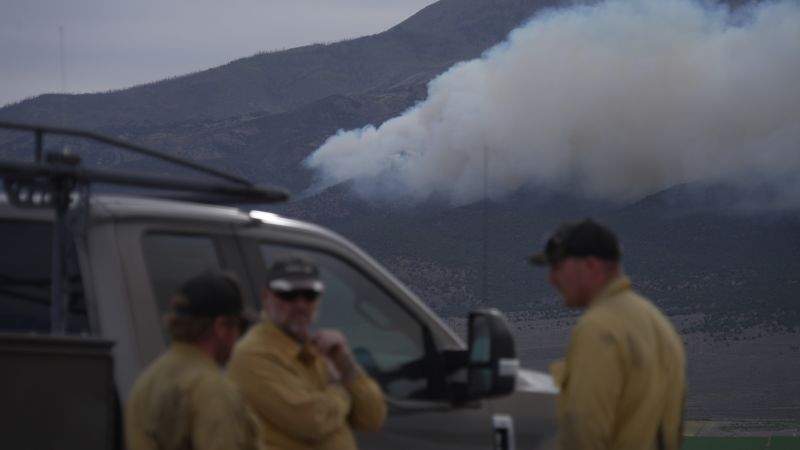
Among the active blazes, the Cottonwood Fire stands out as the largest in the state. Burning through the Fishlake National Forest near Beaver, Utah, the fire has expanded to over 92,000 acres in just a few days. As of Saturday night, it remains fully uncontained, with evacuations already in place. State and local officials suspect it is the most destructive and expensive wildfire in Utah’s history, though the exact cause is still under investigation.
The fire’s behavior has been particularly erratic, forcing emergency crews to stay on high alert. Alyssa Mason, a spokesperson for the Cottonwood Fire’s emergency management team, shared that firefighters have been ordered to prioritize safety, even if it means halting operations when conditions worsen.
“We always have safety first out there, and as soon as we see things or start getting feelings, we’ve told the guys they don’t like it, disengage, and get to a safe place,”
she said, citing the unpredictable nature of the blaze.
Residents in the Beaver Mountain area are mourning the loss of cherished homes and recreational spaces. For Evan Stapley, the mountain was more than a scenic retreat—it was a cornerstone of family traditions.
“To me, nothing’s more beautiful than Beaver Mountain in the fall. The aspen yellow, and you get the reds in there and all the greens. There is nothing more beautiful in the world,”
he told CNN affiliate KSL. Now, the cabin where these memories were created lies in ruins, reduced to ash by the Cottonwood Fire.
Stapley learned of the destruction after a friend shared footage of the site.
“I saw that and went, ‘That’s just unbelievable,’”
he recounted. “The fire must have moved so fast and twirled around in there and just took it … I cried,” he added, emphasizing the deep personal connection to the land.
The fire has also impacted Eagle Point Ski Resort, where several structures were damaged or destroyed. Owner Shane Gadbaw shared updates on Facebook, stating the facility will remain closed as long as the threat persists. This widespread damage highlights the broader consequences of the current wildfire crisis, which has disrupted local economies and displaced families.
Officials warn that those responsible for igniting wildfires could face severe legal consequences, including criminal charges and significant civil penalties. The full extent of the Cottonwood Fire’s impact is still being evaluated, but the state is already grappling with the loss of landmarks and the strain on firefighting efforts. With 1,066 personnel dedicated to battling the blaze, the focus remains on containment and preventing further spread.
As the holiday approaches, the state is balancing tradition with caution. While fireworks are a beloved part of Utah’s Fourth of July celebrations, the current conditions demand a temporary shift in practices. Communities are adapting, with some municipalities allowing limited use of fireworks in designated safe zones. These efforts aim to preserve the spirit of the season while safeguarding against the catastrophic risks that have defined this year’s wildfire season.
Utah’s experience underscores the growing challenge of managing natural disasters in an era of climate change. The combination of prolonged drought, dry vegetation, and volatile weather has created a perfect storm for wildfires, testing the resilience of both people and resources. As the Cottonwood Fire continues to burn, it serves as a stark reminder of the fragility of the state’s landscape and the urgent need for preparedness.
Residents and officials alike are now looking ahead, hoping for improved conditions and a return to normalcy. Yet, the emotional and physical scars of this year’s wildfires will linger, shaping how communities remember and celebrate the Fourth of July for years to come.
