
Drone nearly hits United plane landing in Newark, pilot says
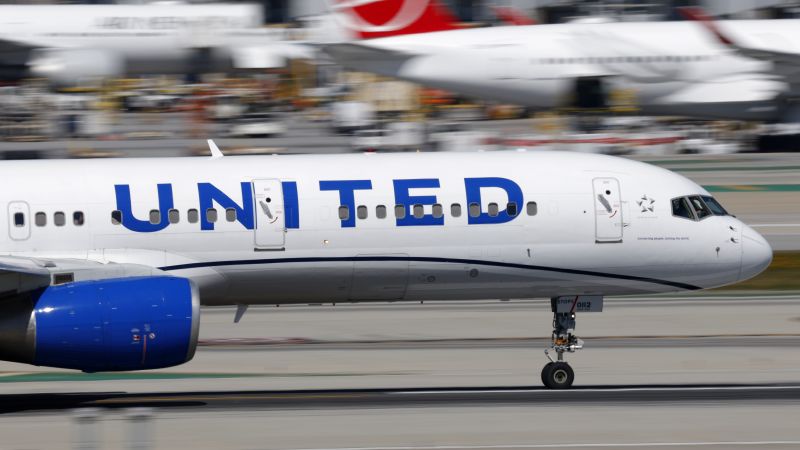
Drone Nearly Hits United Plane During Newark Landing, Pilot Reports
Drone nearly hits United plane landing – On Friday, June 27, 2026, a United Airlines passenger jet narrowly avoided a collision with a drone while descending to land at Newark Liberty International Airport in New Jersey. The incident, captured in verified air traffic control audio by CNN, was described by the pilot as a “close call” that raised concerns about drone safety in busy airspace. According to the pilot’s account, the unmanned aircraft appeared suddenly and was approximately 100 feet below the plane during the final approach.
Details of the Near-Miss Incident
The Boeing 737, which had departed from Key West, Florida, was carrying 106 passengers and five crew members when the drone was spotted. The pilot, speaking through a communication channel, emphasized the urgency of the situation, noting the drone’s size and proximity. “We almost hit a drone,” the pilot said in the audio recording, which highlights the device as circular and measuring roughly three feet in diameter. The pilot’s voice conveyed a sense of alarm, underscoring the potential danger posed by the unregulated presence of drones near commercial aircraft.
“We almost hit a drone,” the pilot said in air traffic control audio verified by CNN.
Despite the close encounter, the aircraft landed safely at approximately 5:30 p.m., with passengers and crew exiting the plane at the terminal as usual. United Airlines stated in a formal statement that the incident did not affect the safety of the flight or the well-being of anyone on board. The airline’s spokesperson also confirmed that the plane followed all standard procedures, ensuring a smooth touchdown and no disruptions to the airport’s operations.
Additional Pilot Observation
Another pilot flying a United Express flight operated by GoJet Airlines reported a similar sighting shortly before the incident. The second pilot, according to ATC audio from the same timeframe, noted the drone at an altitude of roughly 2,000 feet during the approach to Newark. This second account suggests that multiple unmanned aerial vehicles may have been active in the area, potentially increasing the risk of such encounters. The FAA has since acknowledged the incident and is investigating whether the drone was operating within designated airspace parameters.
FAA Context and Drone Regulations
The Federal Aviation Authority (FAA) reports that drone sightings near U.S. airports have become increasingly frequent, with approximately 100 incidents documented each month. While these occurrences are often benign, the agency has implemented strict guidelines to prevent conflicts between drones and manned aircraft. According to FAA regulations, drones must not be operated in controlled airspace or near active flights without prior authorization. This rule is particularly critical in areas like Newark, where high-traffic air routes converge and require precise coordination.
The FAA also mandates that drone operators maintain visual contact with their devices and avoid flying near airports during peak hours. However, the recent near-miss incident has prompted discussions about the adequacy of current safety measures. FAA officials have been contacted by CNN to provide further details on the event and its implications for aviation safety protocols. In the meantime, the agency is reviewing its guidelines to determine if additional precautions are necessary for drone pilots in similar scenarios.
Implications for Airspace Safety
The incident underscores the growing challenge of managing unmanned aircraft in densely populated airspace. As drone technology becomes more accessible, the number of operators has surged, leading to an increased likelihood of close calls with commercial flights. Experts warn that without stricter enforcement of rules or advanced detection systems, such incidents could escalate, particularly during landing and takeoff phases when planes are most vulnerable.
United Airlines and GoJet Airlines have both expressed confidence in their safety measures, but the event has highlighted gaps in the system. Pilots now face an added layer of risk, requiring heightened vigilance during routine operations. The FAA’s response to this incident will likely influence future policies, potentially including new restrictions or enhanced training for drone users. For now, the focus remains on understanding how the drone entered the flight path and whether it was operating in compliance with existing regulations.
Technological and Human Factors
While drones are equipped with basic navigation tools, many consumer models lack the advanced systems needed to detect and avoid aircraft autonomously. This reliance on human oversight means that operators must be fully aware of their surroundings, especially in areas near airports. The FAA has also called for improved communication between drone pilots and air traffic controllers, suggesting that real-time monitoring could help prevent such incidents in the future.
Additionally, the incident raises questions about the expansion of drone usage in urban and commercial zones. With the rise of delivery services and recreational flying, the FAA faces pressure to balance innovation with safety. The agency is currently working on updating its rules to address these challenges, including proposals for designated drone corridors and stricter altitude limits during critical flight times.
Public and Industry Response
News of the near-miss has sparked concern among both the public and aviation professionals. Passengers on the flight were unaware of the drone until the landing was completed, which has led to questions about how such close encounters might affect passenger confidence. Airlines and regulatory bodies are now collaborating to assess the incident and implement measures to mitigate similar risks.
Meanwhile, the drone’s operator has not yet been identified. Authorities are working to determine whether the unmanned aircraft was flying in a restricted zone or if it had inadvertently entered the path of the commercial jet. This investigation will be crucial in understanding the full scope of the incident and identifying areas for improvement in drone management practices.
The FAA has also emphasized the importance of public education in drone safety. Operators are urged to familiarize themselves with flight zones and avoid areas where planes are landing or taking off. The agency is considering additional penalties for violations, including fines or temporary bans on drone operations near airports. As the technology continues to evolve, the need for robust safety frameworks becomes more pressing, ensuring that the skies remain safe for both manned and unmanned aircraft.
Looking Ahead
With the drone near-miss now under review, the aviation industry is preparing for a potential increase in such incidents. United Airlines has announced plans to review its own safety protocols, while GoJet Airlines has pledged to work closely with the FAA to prevent future occurrences. The event has also reignited debates about the role of automation in drone operations, with some advocating for AI-assisted collision avoidance systems to enhance safety further.
As drones become more integrated into daily life, their presence in the skies grows ever more significant. The Newark incident serves as a reminder of the delicate balance between technological advancement and the need for strict adherence to safety regulations. Pilots, airlines, and regulators must continue to adapt to this new reality, ensuring that the skies remain a secure environment for all users.
Experts suggest that the FAA’s current measures are a good start, but they argue that more needs to be done to address the rapid rise in drone traffic. With over 100 sightings reported monthly, the frequency of these encounters is expected to increase, requiring a proactive approach to safety. The near-miss in Newark may be a catalyst for stronger policies, ultimately shaping the future of drone operations in the United States.
