
Minnesota man accused in a $250M fraud scheme taken into custody in Somalia
Minnesota Man Accused in $250 Million Fraud Scheme Taken into Custody in Somalia
Minnesota man accused in a 250M – Law enforcement officials have revealed that Abdikerm Abdelahi Eidleh, a 42-year-old resident of Burnsville, Minnesota, has been arrested in Somalia following charges related to a $250 million fraud scheme. The arrest occurred on Thursday in Mogadishu, according to a statement issued by U.S. Attorney Daniel Rosen. Eidleh is now in custody, though details about his legal representation or a formal plea have not yet been disclosed.
Indicted in 2022 for Federal Meals Program Scandal
Eidleh was among the dozens of individuals indicted in 2022 for participating in a widespread effort to defraud a federal child nutrition initiative. Prosecutors allege the scheme targeted a program designed to provide essential meals to children during the pandemic, siphoning millions in public funds. While court documents do not specify whether Eidleh has retained an attorney, his arrest in Somalia marks a significant step in the legal proceedings against him.
Role in the Fraud and Alleged Activities
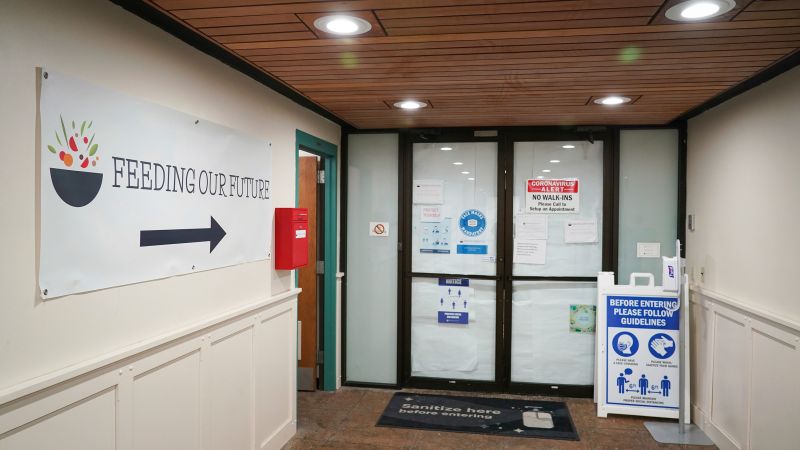
Feeding Our Future, the organization Eidleh was affiliated with, claimed to deliver millions of meals to children in need through a federal initiative. However, investigators assert that only a fraction of the allocated funds actually reached the intended beneficiaries. The remaining money was allegedly funneled through shell companies, with resources diverted to personal expenditures such as real estate, high-end vehicles, and international travel. Eidleh is accused of orchestrating this deception by establishing fake websites and creating entities that purported to supply meals to the program’s participants.
The indictment outlines 31 charges against Eidleh, including conspiracy to commit wire fraud, wire fraud itself, conspiracy to engage in federal program bribery, federal program bribery, and both conspiracy and direct charges of money laundering. These allegations suggest a coordinated effort to misappropriate funds while concealing the scheme’s true scope. The legal team from the Department of Justice’s National Fraud Enforcement Division has emphasized the magnitude of the case, calling it one of the most substantial fraud operations in Minnesota’s history.
Evading Justice by Fleeing to Somalia
According to Assistant Attorney General Colin M. McDonald, Eidleh played a pivotal role in the scheme, leveraging his position to siphon taxpayer money. McDonald highlighted that the individual not only stole funds but also deprived children of vital resources during a time of crisis. “Rather than face the consequences of his actions in the United States, Eidleh chose to flee to Somalia, hoping to escape accountability,” McDonald stated in a statement. This decision, he argued, underscores the man’s attempt to avoid justice by seeking refuge in a foreign country.
McDonald further elaborated on the broader implications of the case, emphasizing the systemic nature of the fraud. “The scale of this operation demonstrates how easily public funds can be manipulated for personal gain,” he noted. “It’s a stark reminder of the importance of transparency in federal programs, especially those supporting vulnerable populations.” The indictment details how Eidleh’s actions were part of a larger network of deceit, implicating multiple accomplices in the effort to mislead oversight agencies and beneficiaries alike.
Impact on Children and Federal Resources
The fraud scheme is alleged to have caused widespread harm, particularly to children who relied on the federal meals program for sustenance. Prosecutors estimate that the misallocated funds could have provided thousands of meals daily to families in need. Instead, the money was reportedly used to sustain a lifestyle of luxury for those involved. This misuse of resources has raised concerns about the integrity of the program and the potential for similar schemes to occur elsewhere.
Eidleh’s alleged involvement in creating fraudulent websites and shell companies suggests a sophisticated approach to deception. These entities were designed to appear legitimate, allowing him to secure contracts and payments under the guise of providing nutritional support. The indictment claims he misrepresented the program’s reach and effectiveness, thereby justifying the large sums of money he and his associates allegedly funneled into their own pockets.
Trump’s Immigration Crackdown Linked to the Case
The case has drawn attention from political figures, including former President Donald Trump, who cited it as evidence supporting his administration’s aggressive immigration policies. In late 2025, Trump highlighted the fraud as part of his argument for tightening restrictions on immigration in Minnesota, suggesting that the scheme exemplifies the risks of allowing foreign nationals to reside in the country. His remarks were made during a public address that emphasized the need to hold individuals accountable for misuse of public resources, regardless of their origin.
The arrest of Eidleh in Somalia has sparked discussions about the effectiveness of international cooperation in combating financial crimes. U.S. officials have praised the collaboration with Somali authorities, which led to the successful apprehension of a key figure in the case. This development also raises questions about the legal mechanisms available to extradite individuals who flee to other nations to evade prosecution. For Eidleh, the arrest represents a critical moment in the unfolding investigation, though the full extent of his role in the scheme may still be uncovered through ongoing legal proceedings.
Broader Implications for Federal Programs
Legal experts have noted that the case highlights vulnerabilities in federal oversight systems, particularly those managing large-scale initiatives like the child nutrition program. The indictment underscores how complex financial networks can be exploited to siphon millions from public trust. Eidleh’s actions, combined with those of his co-conspirators, have exposed weaknesses in monitoring the flow of funds and verifying the legitimacy of organizations receiving them.
As the case moves forward, prosecutors will need to present evidence demonstrating the extent of Eidleh’s involvement in the scheme. This includes documents related to the fake websites, shell companies, and the fraudulent claims about meal distribution. The legal team also anticipates challenging the defendant’s arguments regarding his absence from the United States during the trial. With multiple charges pending, Eidleh faces potential penalties that could include significant prison time and fines.
Public reaction to the case has been mixed, with some expressing outrage over the loss of taxpayer funds and others questioning the speed of the legal response. The arrest in Somalia has been viewed as a victory by federal authorities, but it also serves as a reminder of the global reach of financial fraud. As the trial progresses, the focus will remain on the intricate web of deceit that allowed Eidleh to exploit the system for years before being apprehended.
“He not only stole taxpayer dollars, but he also robbed vulnerable children of critical resources they desperately needed. Rather than answer for his crimes in the United States, he fled to Somalia in a futile attempt to evade justice,” said Assistant Attorney General Colin M. McDonald.
The case is expected to set a precedent in how financial crimes are prosecuted, especially when individuals seek to escape the legal system by relocating abroad. It also underscores the importance of cross-border legal cooperation in ensuring that perpetrators of large-scale fraud cannot avoid accountability simply by crossing international borders.
