
They came for the soccer. They fell in love with ranch dressing
They came for the soccer. They fell in love with ranch dressing
They came for the soccer They – The 2026 World Cup, hosted in the United States, has become more than a sporting event—it’s also a gateway for global visitors to discover American culinary traditions. While the main attraction is the action on the field, many tourists are finding their way to the kitchen, drawn to a humble yet iconic condiment: ranch dressing. This creamy, tangy sauce, made primarily from buttermilk, vegetable oil, and a blend of spices, has unexpectedly become a symbol of the American food experience for those attending the tournament. As international fans flock to cities like Los Angeles and Boston, they’re not only cheering for their teams but also sampling a staple that has transcended its humble origins.
A Global Trend in a Local Sauce
Historically, World Cup host nations have used the event to showcase their signature dishes. For example, South Korea’s 2002 World Cup brought its crispy fried chicken to global attention, while South Africa’s 2010 tournament introduced travelers to its jerky-like biltong. Brazil’s 2014 event, meanwhile, made the icy caipirinha cocktail a must-try for visitors. This year, however, the spotlight has shifted to a sauce that’s been a household name for decades: ranch. Its unexpected rise in popularity among tourists has even prompted the Transportation Security Administration (TSA) to comment on the trend.
“Yeah sooo your carry-on wasn’t actually made for *checks notes* 4 bottles of ranch …”
According to a recent Instagram post, the TSA noticed that many European travelers were trying to bring ranch dressing home, only to face the challenge of packing it in compliance with the 3.4-ounce liquid restriction. A standard bottle of ranch is 16 ounces, meaning fans are often forced to split their favorite sauce into smaller containers or carry it in checked luggage. The agency’s lighthearted remark highlights how deeply the sauce has captured the hearts of international visitors, who are now questioning the practicality of airport security rules.
The phenomenon isn’t just a passing fad. Ranch dressing has long held the title of America’s most popular salad dressing, a position it’s maintained for over half a century. Its versatility—whether as a dip for chicken wings, a topping for pizza, or a flavor enhancer for vegetables—has made it a favorite in households and restaurants alike. But its journey to global acclaim began with an unlikely origin story.
The Birth of a Cultural Icon
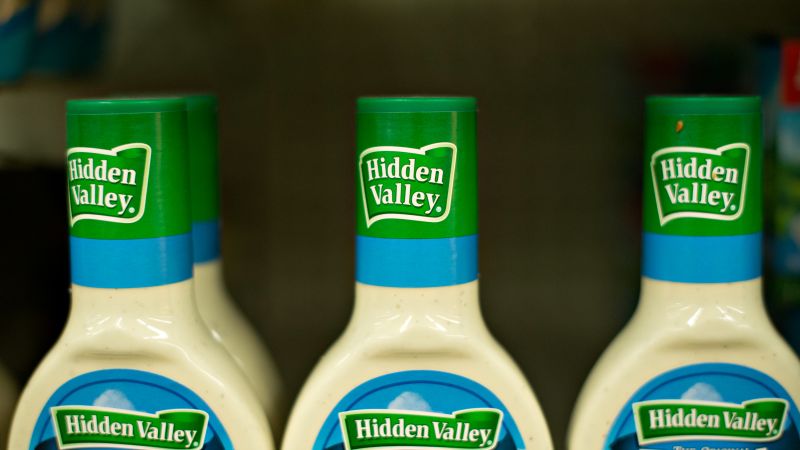
Ranch dressing’s creation dates back to the 1950s, when a plumber in Alaska devised a way to jazz up his meals for coworkers. After retiring to a California dude ranch, he began selling DIY spice kits by mail, allowing customers to mix their own dressing. This grassroots approach caught the eye of Clorox, which acquired Hidden Valley Ranch in 1972. The company then introduced a shelf-stable bottled version, paving the way for ranch to become a mainstream product.
Today, ranch dressing is produced by numerous brands across the country, with sales exceeding $1.5 billion in the past year. The Association for Dressings and Sauces confirms its enduring popularity, noting that it remains the top-selling salad dressing in the United States. Even for those who have lived abroad for years, the allure of ranch persists. A CNN reporter, who has resided in Hong Kong since 2010, keeps a 40-fluid-ounce bottle of Hidden Valley Ranch in her fridge, sourced from a specialty store that imports American goods.
Despite the global fascination, the U.S. government reports that as many as 10 million international tourists are expected to attend the 2026 World Cup. While some may still harbor negative perceptions of the country, a recent Pew Research Center survey revealed that 57% of respondents from 36 countries hold an unfavorable view of the U.S., citing concerns about its foreign policy and democratic health. Yet, these visitors are finding joy in the nation’s culinary offerings, from the nostalgic crunch of Cap’n Crunch cereal to the smoky richness of Texas barbecue and the sugary nostalgia of Twinkies.
Capitalizing on a Cultural Moment
As the World Cup approaches, companies are seizing the opportunity to align with the growing interest in ranch dressing. Hidden Valley Ranch, the original brand, is set to distribute seasoning mix packets in host cities this July. The powder, which can be blended with buttermilk and mayonnaise, offers a convenient alternative for travelers seeking to replicate the sauce at home. Meanwhile, the Kraft-Heinz Company, which also sells ranch dressing, is launching a TSA-compliant version of its product to ease the process for fans.
“We’re leaning into that moment,” said Todd Kaplan, Kraft-Heinz’s chief marketing officer, in an interview with CNN’s Richard Quest. “Brand building is about … being relevant in these cultural moments where your brand matters.” This strategy reflects a broader effort to connect with consumers through shared experiences. Stacy Stokes, Hidden Valley’s vice president of marketing, noted that the surge in interest came organically, driven by fans’ enthusiasm rather than targeted campaigns. “Early indications are it is driving a nice little bump for us,” she added, acknowledging the unexpected impact of the World Cup on the sauce’s visibility.
While the long-term effects on sales remain to be seen, the trend underscores how global events can reshape local food perceptions. Ranch dressing, once a regional favorite, is now a bridge between cultures, with even international travelers expressing affection for its creamy texture and bold flavor. The TSA’s quip about carry-ons and the survey’s findings on public opinion may seem unrelated, but they both highlight a larger truth: the World Cup is not just about the game—it’s about the shared human experience of food, culture, and connection.
For those wondering why there are so many pink cleats at the tournament, the answer might be simpler than they think. The sauce’s popularity has created a ripple effect, drawing attention to the unique aspects of American cuisine. As fans pack their carry-ons and checked bags, they’re not just bringing ranch home—they’re bringing a piece of the U.S. with them. Whether through social media buzz or the simple act of sharing a dip, the World Cup is proving that even the most unassuming foods can become global sensations.
