
Traveling to a heat wave zone: Here’s what tourists need to know
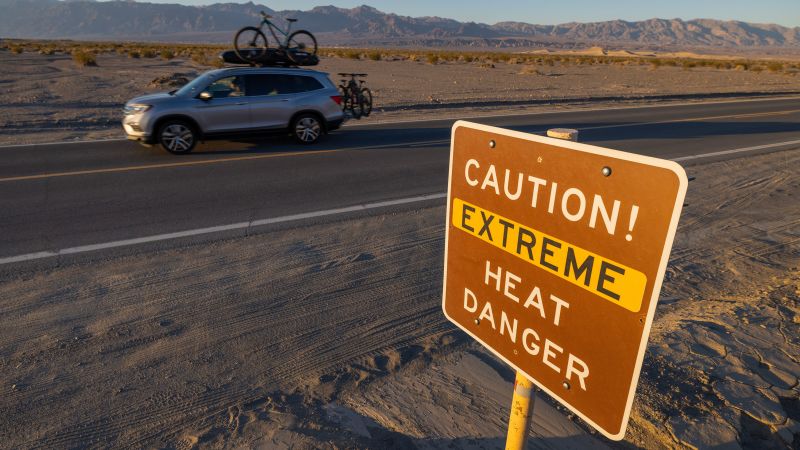
Heatwave Challenges for Travelers: Essential Guidance
Traveling to a heat wave zone – Record-breaking heat has gripped some of the world’s most visited destinations, forcing tourists to reconsider their itineraries. With scorching temperatures pushing boundaries and raising concerns about safety, travelers are seeking answers on whether to adjust plans, secure refunds, or take precautions. Here’s a breakdown of the current situation and practical advice for those heading to affected regions.
Global Heatwave Intensifies Across Key Destinations
As global temperatures rise, heatwaves are becoming more severe and widespread, impacting both the United States and Europe. In the U.S., the National Weather Service has forecasted that Grand Canyon National Park’s Phantom Ranch will experience temperatures of 110°F (43°C) or higher this week. This has prompted the National Park Service to warn visitors to avoid hiking during peak hours following a surge in heat-related incidents, including two hiker fatalities on the North Kaibab Trail.
Europe is also grappling with extreme conditions. French officials have reported that the nation’s hottest night since 1947 occurred on Monday, with temperatures reaching 37.8°C (100°F). Several French towns recorded their highest daily temperatures ever, while Spain’s Andújar municipality faced temperatures surpassing 113°F, according to AEMET, the country’s weather service. Meanwhile, the UK is bracing for record-breaking heat, with the Met Office issuing a rare heat-health alert as schools close and public spaces adjust to the sweltering weather. “Humidity is also a factor, making this heatwave even more impactful with heat stress a danger to all,” the Met Office noted in a statement.
Adapting Travel Plans Amid Unpredictable Weather
With heat alerts active in 23 European countries, including Germany, France, Spain, Switzerland, and Luxembourg, the likelihood of disrupted travel plans is high. Whether for leisure or business, visitors to these regions may need to modify their schedules or even cancel trips. In areas experiencing extreme heat, maintaining a typical pace of sightseeing becomes challenging, requiring flexibility in itinerary planning. This is especially critical for individuals with chronic health conditions, such as asthma, or for vulnerable groups like the elderly and young children.
Local governments are urging travelers to monitor safety guidelines closely. In Italy, for example, authorities recommend spending at least three hours daily in air-conditioned environments, such as museums or restaurants, to combat the rising temperatures. Similarly, the CDC advises tourists to increase their water intake beyond usual levels and avoid waiting until thirst sets in before hydrating. These measures are vital for preventing dehydration and heat-related illnesses.
Practical Tips to Stay Safe and Comfortable
When venturing out, timing is key. While midday is often associated with peak heat, temperatures continue to climb until early evening, making afternoons particularly hazardous. Travelers should aim to explore early in the morning or during cooler periods to reduce exposure. For those in Europe, public fountains offer a convenient way to stay refreshed, so frequent hand and wrist washing with cool water is encouraged.
Staying cool requires more than just shade. Cool showers, when possible, can significantly ease discomfort, and air-drying after bathing helps retain moisture. Lightweight, breathable clothing is another essential strategy, as loose-fitting garments allow better ventilation and reduce the risk of overheating. Don’t forget to apply sunscreen regularly, even on overcast days, to protect against UV exposure.
Physical activity should be adjusted to match the weather. Hiking or walking during the hottest hours can lead to heat exhaustion, so planning routes for early mornings or late afternoons is advisable. In regions where heatwaves coincide with other risks—such as floods or wildfires—travelers should be prepared for sudden changes. Some destinations may close temporarily or require evacuations, so checking local updates before departure is crucial.
Long-Term Impacts of Escalating Heat
The current heatwave is part of a larger trend of rising global temperatures, with records being shattered regularly. Scientists warn that such extreme conditions are expected to intensify in the coming years, posing ongoing challenges for the travel industry. For instance, Europe’s heat problem is growing worse, with multiple countries experiencing unprecedented weather patterns that threaten both infrastructure and public health.
These heatwaves are not isolated events. They are linked to broader climate shifts, leading to more frequent and severe weather disruptions. As a result, travelers may face additional hurdles, such as delayed flights, closed attractions, or even medical emergencies. While many trips can still proceed with proper preparation, some situations may warrant cancellation or rescheduling. For example, in areas where temperatures are consistently above 110°F, it may be safer to avoid prolonged outdoor activities.
Staying Informed and Prepared
Local authorities are playing a key role in managing the crisis, providing real-time updates and safety recommendations. Travelers should familiarize themselves with these alerts and adapt accordingly. In the U.S., the National Park Service has emphasized the need for caution, while European nations are coordinating efforts to mitigate risks for tourists and residents alike.
For those who can’t change their plans, staying proactive is the best defense. Packing essentials like water bottles, a reusable cooling towel, and a portable fan can make a significant difference. Additionally, monitoring weather forecasts and adjusting routines to avoid the worst of the heat will help ensure a safer and more enjoyable experience. With careful planning and awareness, it’s possible to navigate these extreme conditions without compromising the quality of the trip.
What to Expect in the Coming Weeks
As the heatwave persists, its effects will likely grow more pronounced. The combination of high temperatures and humidity creates a dangerous environment, increasing the risk of heat stress and related health issues. In the U.S., the National Weather Service warns that conditions at Phantom Ranch could worsen, while Europe’s relentless heat shows no signs of abating. These trends underscore the importance of staying informed and taking necessary precautions.
Travelers should also consider the environmental impact of heatwaves. Droughts, wildfires, and water shortages may affect access to certain areas or require changes in travel logistics. For instance, the closure of schools in the UK highlights how heat can disrupt daily life, prompting businesses and public services to adapt. Whether planning a road trip through the Southwest or a cultural tour in southern Europe, flexibility and preparation are essential.
Despite the challenges, the summer travel season remains viable for those who heed warnings and prioritize safety. By staying hydrated, wearing appropriate attire, and using available resources to cool down, tourists can minimize risks. The key takeaway is that while heatwaves may complicate plans, they don’t have to derail them entirely. With a bit of adjustment, travelers can still enjoy their destinations, even in the most sweltering conditions.
