
Trump administration charges 455 people, including doctors, with $6.5 billion in healthcare fraud
Trump Administration Charges 455 Individuals, Including Doctors, with $6.5 Billion in Healthcare Fraud
Trump administration charges 455 people including – The Trump administration has escalated its campaign against healthcare fraud, with the Justice Department announcing on Tuesday that 455 people have been charged for allegedly engaging in deceptive schemes that siphoned over $6.5 billion from the system. Among the defendants are 90 healthcare professionals, including physicians, who were implicated in fraudulent activities that led to severe consequences for patients. The indictment marks a significant step in the administration’s broader strategy to hold individuals accountable for exploiting the nation’s healthcare programs.
Acting Attorney General Calls Fraud a “Clear and Present Danger”
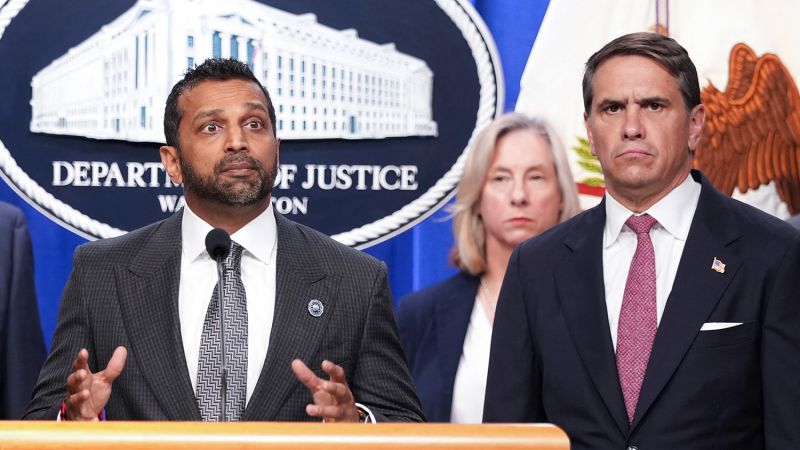
Acting Attorney General Todd Blanche emphasized the urgency of the issue during a press briefing, stating,
“This is just the beginning. Fraudsters can no longer rip off American taxpayers. If you seek to harm or cheat Americans, we will find you, seize any assets, and prosecute you to the fullest extent of the law.”
The remarks underscore the administration’s commitment to dismantling fraudulent networks, particularly those linked to opioid misuse and inflated medical claims. Officials highlighted the human cost of these schemes, citing a case where a medical error led to a tragic outcome.
A Tragic Case of Misdiagnosis and Omission
One defendant, a cardiovascular specialist, was accused of automatically approving a student’s test results as normal without informing his family that the patient’s heart had been enlarged. The 18-year-old college basketball player, Kaiden Francis, later died during a workout weeks after receiving the false clearance. This incident exemplifies how fraudulent practices can directly endanger lives, prompting the Justice Department to highlight such cases as evidence of the systemic risks posed by deceptive healthcare claims.
Coordinated Efforts Across 45 States and Territories
The National Health Care Fraud Takedown, which took place this year, involved a record 45 states and territories working in unison. Health Secretary Robert F. Kennedy Jr. noted the collaboration during the press conference, describing it as a testament to the widespread nature of the problem. The initiative targeted not only individual misconduct but also organized schemes that siphoned billions from Medicare and Medicaid, the nation’s primary healthcare safety nets.
Targeting Medicare and Medicaid: A Political Focus?
While the administration claims its actions are part of a broader effort to combat fraud, critics argue that the focus on Medicare and Medicaid has disproportionately affected states led by Democratic governors. This has raised concerns about political bias, as the Trump team has consistently highlighted alleged inefficiencies in these programs, particularly in states with progressive policies. The initiative has been framed as a way to restore fiscal discipline to the healthcare system.
Dr. Mehmet Oz’s Role in Combating Fraud
Dr. Mehmet Oz, who oversees the Centers for Medicare and Medicaid Services, has emerged as a central figure in this crackdown. Leveraging his experience in television, Oz has produced instructional videos to identify regions with high rates of fraudulent activity. His approach combines public awareness campaigns with aggressive legal action, aiming to prevent payments for deceptive claims before they are processed. “Healthcare fraud steals from taxpayers, exploits vulnerable patients, and puts lives at risk,” Oz stated in a recent statement.
Major Schemes and Their Financial Impact
The takedown included several high-profile cases that collectively cost the government billions. In Arizona, a company was implicated in a $2 billion scheme involving exaggerated wound care claims. Meanwhile, a separate case in Texas involved a fraudulent billing practice that siphoned over $906 million. In California, a hospice owner allegedly paid a funeral home employee for information about recently deceased individuals to falsely bill Medicare for additional days of care. These examples illustrate the diverse tactics used by fraudsters to defraud the system.
Medicaid Fraud: The Largest Loss in DOJ History
A significant portion of the takedown focused on Medicaid, with charges against 295 defendants and over $518 million in false claims submitted to the program. This represents the largest number of individuals charged and the highest amount of funds lost to fraud in the Justice Department’s history. The administration has prioritized Medicaid due to its role in covering low-income populations, framing the effort as a way to protect the most vulnerable Americans from financial exploitation.
Comparing Annual Takedowns: A Growing Trend?
Last year’s National Health Care Fraud Takedown saw 324 defendants charged with over $14.6 billion in alleged fraud, setting a previous record. This year’s figures, however, exceed that, with the total amount of fraud surpassing $6.5 billion. The increase suggests a heightened focus on this issue, possibly reflecting the administration’s strategy to amplify its impact through expanded enforcement. The collaboration across multiple states has also allowed for a more comprehensive investigation of fraudulent networks.
Implications for the Healthcare System and Future Actions
Analysts suggest that the administration’s actions could reshape how healthcare fraud is prosecuted, emphasizing both legal consequences and public accountability. The focus on Medicare and Medicaid has also sparked debates about the balance between preventing abuse and ensuring access for those in need. With over $6.5 billion in alleged losses, the takedown has demonstrated the scale of the problem, but its long-term effectiveness will depend on sustained efforts and policy reforms. As the Justice Department continues its mission, the cases it uncovers may serve as a warning to others in the industry.
Public Response and Ongoing Investigations
While the administration’s takedown has drawn praise from some for its bold approach, others argue that the focus on certain states and industries may lack nuance. The public response has been mixed, with patients and advocacy groups acknowledging the harm caused by fraud but questioning whether the measures address the root causes. The Justice Department has also announced plans to expand its investigations, targeting new areas where deceptive practices may be prevalent. This ongoing effort is expected to continue shaping the landscape of healthcare accountability in the coming years.
