
US government softens stance on Iran’s World Cup team entering country ahead of showdown against Egypt
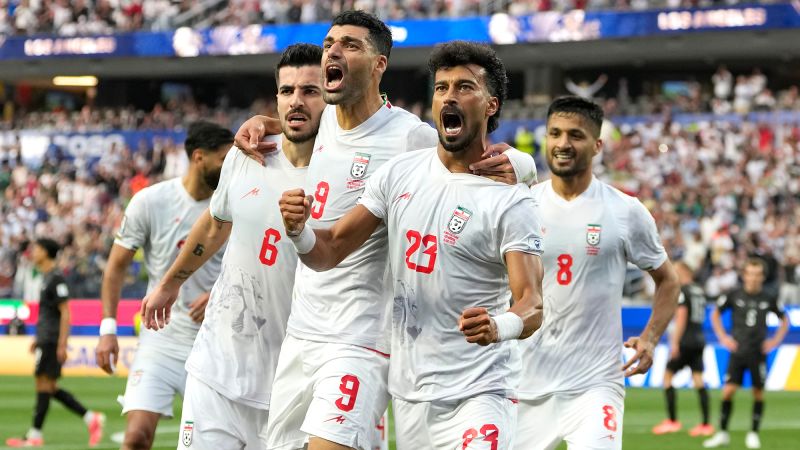
US Government Softens Stance on Iran’s World Cup Team Ahead of Egypt Clash
US government softens stance on Iran – The U.S. government has relaxed its entry restrictions for Iran’s national team, allowing them to arrive in the country two days before their crucial World Cup match against Egypt. This adjustment marks a notable shift from earlier policies that required the team to depart immediately after their first two games. A Department of Homeland Security official confirmed the revised protocol to CNN, stating that while security measures remain stringent, the change facilitates smoother logistics for the Iranian squad. “The Iran team’s entry is now permitted two days prior to their match, ensuring they can prepare adequately. We remain focused on securing the tournament for all participants,” the spokesperson emphasized in a
statement
.
Logistical Adjustments and Diplomatic Impact
Initially, Iran’s team was scheduled to operate out of Tucson, Arizona, but last-minute changes moved their base to Tijuana, Mexico. The war between the U.S. and Iran had earlier complicated their travel plans, with visa constraints forcing key personnel to enter the country just hours before matches. This shift allowed the team to better align with their schedule, though the relocation introduced new challenges. Players reportedly expressed frustration over the tight timeline, which included flying back to Mexico the same evening after their game against New Zealand. Despite this, the US government’s softened stance on Iran has eased some of the pressure, enabling greater flexibility for the team’s operations.
Iran’s World Cup Campaign Amid Geopolitical Tensions
Iran’s participation in the tournament has been shaped by the ongoing conflict with the United States, which initially threatened their ability to compete. The U.S. restrictions on the team’s movement were a diplomatic measure, but the recent easing of entry rules signals a potential thaw. The Iranian squad has managed to secure strong results, drawing with New Zealand and holding Belgium to a draw, placing them second in Group G. A win against Egypt in their next game would guarantee advancement to the knockout stages, making the match a pivotal moment for their campaign. This resilience underscores their determination to navigate both on-field and off-field challenges.
Strategic Flexibility and Match Importance
The updated policy reflects a strategic balance between security and international cooperation, as the U.S. aims to support the tournament’s flow while maintaining vigilance. Iran’s players have expressed relief at the new arrangement, though the tight schedule remains demanding. The team’s ability to adapt to these changes highlights their professionalism, even as they face logistical hurdles. Analysts suggest that the upcoming showdown against Egypt will not only determine Iran’s fate in the group stage but also serve as a test of their ability to manage geopolitical pressures. The game’s significance extends beyond the pitch, symbolizing diplomatic progress in the midst of tensions.
Historical Context and Future Prospects
Iran’s participation in the World Cup has always been intertwined with their geopolitical stance, particularly toward the U.S. The current easing of entry rules follows months of speculation about possible withdrawals due to the conflict. However, the team’s decision to proceed demonstrates a commitment to global competition. The US government’s stance on Iran has seen fluctuations, with the latest policy change offering a temporary reprieve. This decision may also pave the way for future interactions between the two nations, though the broader implications for Iran’s sports diplomacy remain to be seen. The upcoming match against Egypt will be closely watched for its impact on both the tournament and international relations.
Player Perspectives and Tournament Dynamics
Iran’s players have welcomed the adjusted entry timeline, as it allows for more rest and preparation before their high-stakes game against Egypt. The team’s resilience in the face of logistical disruptions and diplomatic constraints has been a key factor in their strong performance so far. While the U.S. government has softened its stance on Iran, it has not entirely lifted the restrictions, ensuring the team’s presence in the country remains under scrutiny. The match at Lumen Field is expected to draw significant attention, not only for its sporting importance but also as a diplomatic milestone. As the tournament progresses, the success of Iran’s campaign will depend on their ability to maintain this adaptability.
Conclusion: Balancing Security and Collaboration
The U.S. government’s decision to soften its stance on Iran’s team highlights the growing recognition of the importance of international sports collaboration. By permitting the team to enter the country earlier, the policy change supports smoother tournament operations while addressing concerns over security. Iran’s ability to thrive under these conditions demonstrates their commitment to the competition, even as they navigate the complexities of their geopolitical situation. The upcoming showdown with Egypt will be a defining moment for both the team and the U.S.-Iran relationship. As the World Cup continues, the interplay between diplomacy and sport will remain a focal point for global observers.
