
Rep. Dan Goldman addresses Brooklyn coffee shop banning him over his views on Israel
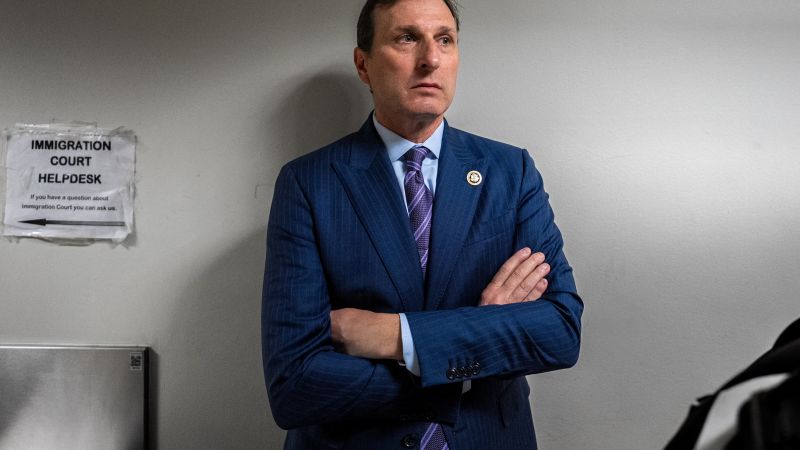
Rep. Dan Goldman Addresses Brooklyn Coffee Shop Ban Over Israel Views
Incident at Poetica Coffee Shop
Rep Dan Goldman addresses Brooklyn coffee – Rep. Dan Goldman, a New York state representative, has responded to a recent ban from a Brooklyn coffee shop that excluded him due to his views on Israel. The event, which took place at Poetica Coffee, sparked controversy after the shop shared a post on Instagram showing Goldman with a refund receipt, according to circulated screenshots. The post, later deleted, suggested the establishment had decided to bar him from entering its premises. Goldman spoke to CNN’s Laura Coates on Monday, reflecting on his visit and the subsequent backlash, which highlighted the growing tensions between political ideologies and everyday spaces.
“I had a positive interaction with the barista, who was very kind and even allowed my daughter to use the bathroom,” Goldman explained. “I felt so grateful that I bought a coffee and left a generous tip.”
Goldman stressed that the incident was not about his personal rapport with the staff, but rather a reflection of the broader political climate. He pointed out that the coffee shop’s post linked his support for Israel to AIPAC, the American Israel Public Affairs Committee, implying his stance was tied to external lobbying. “Without knowing me, we could have had such a nice interaction,” he noted, expressing frustration with the quick judgment placed on him.
Political Context and Broader Implications
The Democratic primary, set for Tuesday, has intensified scrutiny of Israel’s actions in Gaza. Goldman faces a strong challenge from Brad Lander, a former city comptroller backed by Mayor Zohran Mamdani. Lander has criticized Israel’s military campaign as an act of genocide, a claim the Israeli government disputes. This ideological divide has fueled polarized discussions, with Poetica Coffee’s post becoming a symbol of the growing rift in public spaces.
“Hey Congressman Dan Goldman, we see you stopped by our shop today for a coffee,” the post read. “Do you see how it doesn’t taste like genocide juice? Or are you still having a hard time telling the difference?”
Goldman clarified that his support for Israel’s existence as a Jewish state does not equate to endorsing every policy of the Israeli government. “I have many issues with Prime Minister Netanyahu,” he said, emphasizing his nuanced position. The incident at Poetica Coffee has intensified the debate, showing how personal experiences can amplify political divisions.
Responses from Candidates and Officials
Brad Lander, who advocates for a more aggressive stance against Israel, criticized the coffee shop’s decision in a statement to The New York Times. “There are better ways to voice opposition to Israel’s policies than excluding people from coffee shops,” he argued, suggesting the ban was an overreaction. Meanwhile, Goldman noted the Justice Department’s investigation into Poetica Coffee’s actions, hoping it would address antisemitism directed at public figures.
“I don’t ask for the antisemitism,” Goldman remarked, “but as a public official, I can accept the criticism. It’s just that I’d rather the focus be on people who aren’t as visible as I am.”
Goldman defended his position, stating that his views on Israel are deeply rooted in his advocacy for the Jewish state. He also highlighted the importance of open dialogue, even in the face of controversy. The incident at Poetica Coffee has become a focal point in the broader conversation about how political beliefs influence public interactions.
The Battle Over Israel Policy
The primary race has become a battleground for contrasting perspectives on Israel’s role in the Israel-Gaza conflict. Goldman, who has consistently supported Israel’s right to self-defense, faces criticism from opponents who argue his stance is too aligned with the government’s actions. The coffee shop ban has added a personal dimension to this debate, drawing attention to how public figures are often targeted in the polarized discourse surrounding the war.
Goldman acknowledged the significance of the event, stating that it has underscored the challenges of maintaining dialogue in a politically charged environment. “It’s not just about me,” he said, “but about the broader implications of how people with strong views on Israel are treated in everyday settings.” The incident has also sparked conversations about the role of businesses in expressing political opinions and the impact on community relations.
