
Camp Mystic in Texas files for bankruptcy after catastrophic floods killed 28 people
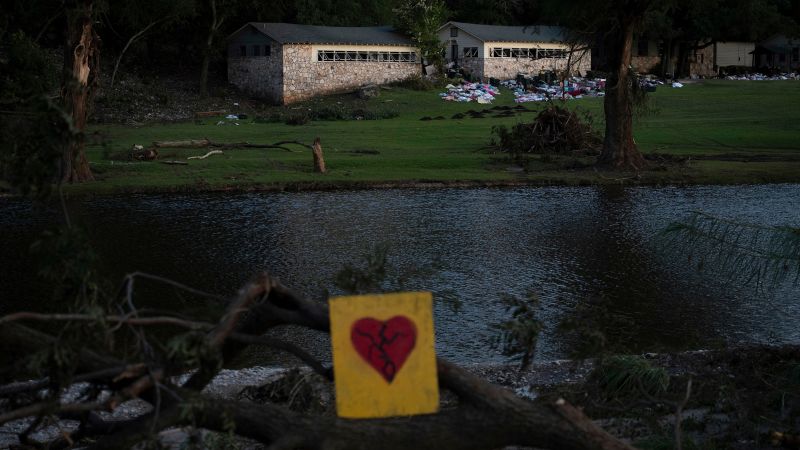
Camp Mystic in Texas files for bankruptcy after catastrophic floods killed 28 people
Camp Mystic in Texas files for bankruptcy – Camp Mystic, a well-known all-girls Christian summer camp nestled along the Guadalupe River in Texas, has officially entered the Chapter 11 bankruptcy reorganization process. This decision, made on Wednesday, marks a significant turning point for the facility that has served generations of young women in the state. Nearly a year has passed since the deadly floods of July 4, 2025, which claimed the lives of 25 girls and two teenage counselors, leaving the community in shock and demanding accountability.
The Flood That Changed Everything
The disaster struck without warning, as floodwaters surged through the camp’s grounds with catastrophic force. The Guadalupe River, which had long been a source of pride for the surrounding area, overwhelmed the infrastructure in a matter of hours. Emergency crews worked tirelessly to rescue survivors, but the scale of the devastation proved overwhelming. Among the 28 fatalities, the loss of young girls and their counselors stunned families and sparked questions about the camp’s preparedness for such an event.
According to court documents filed in Houston, the camp’s financial burden has grown to over $10 million in debt. The bankruptcy filing outlines the staggering financial toll of the disaster, which included not only the loss of life but also the destruction of property, equipment, and the camp’s ability to sustain operations. Despite the high debt, the camp’s assets are estimated to be in the range of $100,001 to $500,000, leaving a complex financial landscape for creditors and stakeholders to navigate.
A Legacy Under Threat
For three decades, the Eastland family has operated Camp Mystic, passing down the tradition of providing summer retreats for girls across generations. The camp, which has been a cornerstone of the community, now faces an uncertain future as its financial foundation crumbles. This marks the first time in decades that the family’s historic operation will not open its doors to campers, raising concerns about the future of the camp’s legacy and its ability to recover.
Richard Eastland, the current owner, was among the victims lost in the flood, which left his family grieving and further complicating the camp’s recovery efforts. The tragedy has not only affected the camp’s physical structure but also its emotional and financial stability. As the bankruptcy proceedings begin, the question remains: will the camp find a way to rebuild, or will this be the end of a cherished institution?
Legal Battles and Public Outcry
Amid the chaos of the disaster, families of the victims launched a lawsuit in November 2025, alleging that the camp operators failed to act swiftly enough as life-threatening floodwaters approached. The lawsuit highlighted critical lapses in safety protocols, including delayed evacuation efforts and inadequate warning systems. These claims have intensified the public scrutiny surrounding the camp, with lawmakers and community members calling for transparency and answers.
“The camp’s leadership didn’t take the necessary steps to protect the girls, and that’s what led to the loss of so many lives,” said one family member in a statement. “We’re not just seeking compensation; we want to ensure this doesn’t happen again.”
The lawsuit is part of a broader investigation into the circumstances of the flood. Officials are examining whether the camp’s management overlooked early signs of rising water levels, potentially putting hundreds of campers and staff at risk. The incident has sparked debates about the importance of emergency planning in recreational facilities located near rivers, especially during the summer months when large groups of children are present.
Broader Impact of the Disaster
The destruction at Camp Mystic was just one chapter in a larger story of devastation along the Guadalupe River. In the weeks following the flood, at least 136 people were reported dead across a several-mile stretch of the river, with hundreds more injured or displaced. The scale of the disaster has prompted calls for improved infrastructure and flood mitigation measures in the region.
Local authorities are still assessing the full extent of the damage, but the impact on the community has been profound. Families who had relied on the camp for years now face the challenge of rebuilding both their lives and the trust in the facility. Meanwhile, the bankruptcy filing has raised concerns about the long-term viability of the camp and its ability to serve as a safe space for future generations.
As the legal process unfolds, the camp’s future hangs in the balance. The Chapter 11 filing allows for restructuring of debts and potential asset sales, but it also signals the end of an era for the Eastland family. While the camp’s staff and volunteers remain dedicated to its mission, the financial strain and emotional toll of the tragedy have left many wondering whether Camp Mystic can ever fully recover.
Looking Ahead
Despite the setbacks, there is hope that the camp’s story will inspire changes in safety standards and community resilience. The bankruptcy filing serves as a catalyst for discussions about how to honor the memory of those lost while ensuring that no one else suffers the same fate. For the families who called Camp Mystic home, the battle to reclaim their lives and protect their children continues, both in court and in the hearts of the community.
As the state grapples with the aftermath of the floods, the case of Camp Mystic has become a symbol of the broader challenges faced by regions vulnerable to natural disasters. The camp’s journey through bankruptcy may offer lessons for other facilities in similar situations, emphasizing the need for proactive measures and clear communication during emergencies. While the immediate future remains uncertain, the camp’s legacy endures as a reminder of the importance of preparation, care, and the enduring bond between campers and their counselors.
