
150,000 square feet of barnacles and sea gunk: The latest problem in the Strait of Hormuz
150,000 Square Feet of Barnacles and Sea Gunk: The Latest Problem in the Strait of Hormuz
150 000 square feet of barnacles – The Strait of Hormuz, a critical artery for global oil trade, has become an unexpected battleground for marine life. Derek Hamm, a diver from Marathon, Florida, who works as a bottom cleaner for Obsessive Compulsive Divers, described the situation as “four months” of stagnation. “Man, that’s plenty of time for a lot of gross stuff to accumulate,” he said, highlighting the challenges faced by ships anchored in the Persian Gulf. Over the past several months, the accumulation of barnacles, mussels, clams, algae, and other marine organisms has transformed the hulls of hundreds of oil tankers into encrusted ecosystems. These creatures, which thrive in warm, saltwater environments, have created a significant operational hurdle for the maritime industry.
Addressing the Biofouling Challenge
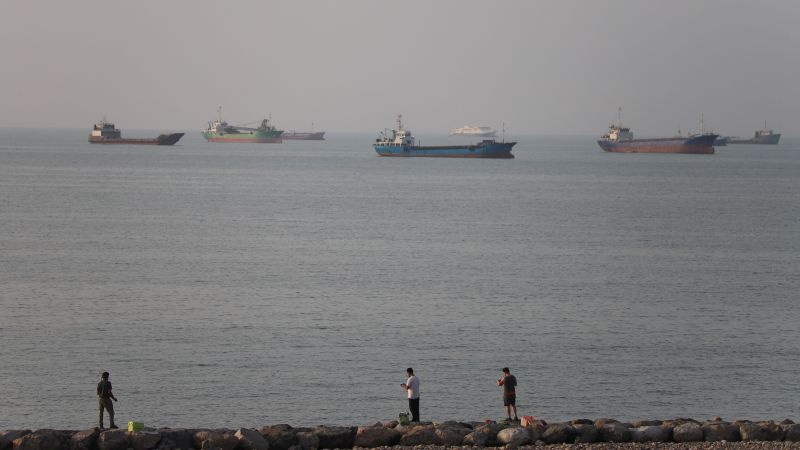
Removing these organisms is no simple task. Crews of five to six divers must spend four to five hours each session using hand scrapers and power washers to restore the vessels to sailing condition. The scale of the problem is staggering: each supertanker, measuring over 1,000 feet in length and 150 feet in width, has more than 150,000 square feet of surface area to clean. With 600 ships currently anchored in the strait, the workload for bottom cleaners has reached unprecedented levels.
“The work is straightforward and not complicated, but those ships are just way too big for individual divers,” said Brian McCauley, owner of McCauley Mooring and Diving. His company provides specialized services in Long Island Sound, but the demand from the Strait of Hormuz has pushed crews to new limits.
Depending on the severity of the biofouling, divers may employ a range of techniques. For stubborn growth like barnacles, they use lances to scrape the hulls or hydraulically powered pressure cleaners. These tools are driven by onboard generators, allowing divers to tackle thick layers of marine debris without damaging the ship’s paint and protective coatings. Such coatings are essential for preventing further buildup, as their deterioration can lead to ecological violations and costly insurance claims.
Financial and Environmental Implications
Repairing biofouling is now a major expense for oil companies. Aron Sørensen, chief environment officer at BIMCO, noted that the surge in demand has caused service fees to rise by several thousand dollars. “They’re now charging upwards of five figures per ship,” he explained. The cost is justified by the economic impact of biofouling. Ships are engineered with fluid dynamics in mind, but marine growth disrupts this efficiency, increasing fuel consumption and operational costs.
Fuel accounts for roughly half of a vessel’s total expenses, according to Neil Roberts, head of marine and aviation at Lloyd’s Market Association. Biofouled walls create drag, forcing ships to burn more fuel to maintain speed—especially when transporting oil across vast distances from the Middle East to Asia or Australia. Propellers, in particular, face challenges. Severe growth can render them inoperable, though this is more common in boats that have been anchored for years. Carolyn Shearlock, owner of The Boat Galley, emphasized that marine organisms often infiltrate intake valves, causing cooling system failures that further complicate operations.
A Legacy of Maritime Innovation
The issue of biofouling is not new. Historically, ships have relied on copper-bottomed hulls to deter marine life, a practice dating back centuries. “Warships were built with copper to prevent worms from boring into the wood,” said Roberts. This innovation helped reduce weight and maintain structural integrity, but modern ships have evolved beyond such solutions. Today’s focus is on maintaining fuel efficiency and ecological compliance, which has become a priority for insurers and regulatory bodies.
Maritime regulations mandate that vessels clear biofouling before reaching port. This requirement ensures that ships operate at optimal efficiency while preventing invasive species from spreading through the ecosystem. Trapped within barnacle layers, these species can disrupt marine environments, affecting biodiversity and local fisheries. Insurers also include biofoul clauses in their policies, requiring ships to undergo regular cleaning to avoid penalties and ensure safe passage.
Global Impact and Strategic Shifts
The current crisis underscores the fragility of the global energy supply chain. After months of conflict, the Strait of Hormuz remains a bottleneck for oil transportation, and biofouling adds another layer of complexity. Some ships, seeking to avoid prolonged anchoring, have been towed out of the strait before completing their cleanings. However, whether inside or outside the strait, biofouling remains a necessary step before vessels can resume their journeys.
Iran’s recent announcement that it is requiring companies to register for clearance of the strait has heightened tensions in the region. While the focus is on security and navigation, the environmental and economic challenges of biofouling are equally pressing. The combination of these factors has created a perfect storm, forcing maritime operators to balance speed, cost, and sustainability in an increasingly volatile landscape.
For divers like Hamm, the job is both physically demanding and environmentally significant. “You have to be careful not to scrape the paint or damage the coatings,” he said. The precision required ensures that each ship is restored to its original state without compromising its structural integrity. As the world grapples with the aftermath of the energy supply shock, bottom cleaners play a vital, albeit unglamorous, role in keeping the flow of oil uninterrupted. Their work, though tedious, is essential for maintaining the delicate balance between economic needs and ecological responsibility in the maritime industry.
Conclusion: A Persistent Challenge
Despite advancements in technology and materials, biofouling remains a persistent problem. The Strait of Hormuz, already a strategic chokepoint, now faces an added challenge of marine growth. As oil supertankers continue to wait for clearance, the industry must adapt to these dual threats. Whether through improved coatings, more efficient cleaning methods, or innovative design solutions, the goal is the same: to restore the ships’ performance and ensure the uninterrupted movement of oil across the globe. For now, the bottom cleaners are the unsung heroes of this effort, working tirelessly to combat the encrustation that has turned the strait into an ecological and logistical puzzle.
