
Instant noodles have a bad reputation — but the world still can’t get enough of them
Instant Noodles Have a Bad Reputation — But the World Still Can’t Get Enough of Them
Instant noodles have a bad reputation – When a health-focused partner heads out for a business trip, the kitchen often becomes a battleground of convenience. For many, the first thought is not about gourmet meals or fresh produce but the humble instant noodle. These pre-packaged staples, filled with salt and flavor, have become a go-to solution for quick sustenance. From the comfort of home to the bustling streets of cities, they’ve fueled everything from dramatic K-pop storylines to late-night cravings of exhausted chefs and even played a role in a colleague’s journey to marriage — at least until their cholesterol levels took a hit. Yet, despite their reputation as a fast-food indulgence, the demand for instant noodles continues to soar globally, defying the rise of clean eating trends.
The Global Appetite for Convenience
Instant noodles are more than just a quick meal; they are a cultural phenomenon. Their ability to deliver flavor and simplicity has made them a beloved part of diets worldwide. While some view them as unhealthy, their widespread popularity is undeniable. According to recent projections, the global instant noodle industry is expected to grow significantly, expanding from $64.67 billion in 2025 to $98.46 billion by 2032. This surge highlights their enduring appeal in a world that increasingly values speed and affordability over nutritional perfection.
Despite the growing emphasis on plant-based diets and wellness, instant noodles remain a staple for millions. Their convenience, affordability, and portability make them ideal for on-the-go lifestyles, whether in urban centers or remote areas. Even as consumers become more health-conscious, the market for these noodles is thriving, suggesting that their role in modern life is far from diminished.
A Post-War Innovation with Universal Appeal
The story of instant noodles began in the aftermath of World War II. In 1950s Japan, food shortages were rampant, and Momofuku Ando, a visionary entrepreneur, sought to create a solution. His ambition was to develop a food that could satisfy five core criteria: delicious taste, convenience, preservability, affordability, and safety. These values, still central to the industry today, were born from necessity. However, their impact has transcended borders, becoming a symbol of global comfort.
Ando’s breakthrough came in 1958, when he observed his wife frying tempura. This inspired a method to quickly remove moisture from noodles, allowing them to be stored for long periods and rehydrated in minutes. His creation, “Chikin Ramen,” revolutionized food production and was the first instant noodle ever made. This innovation laid the groundwork for a product that would eventually be embraced by people across the globe.
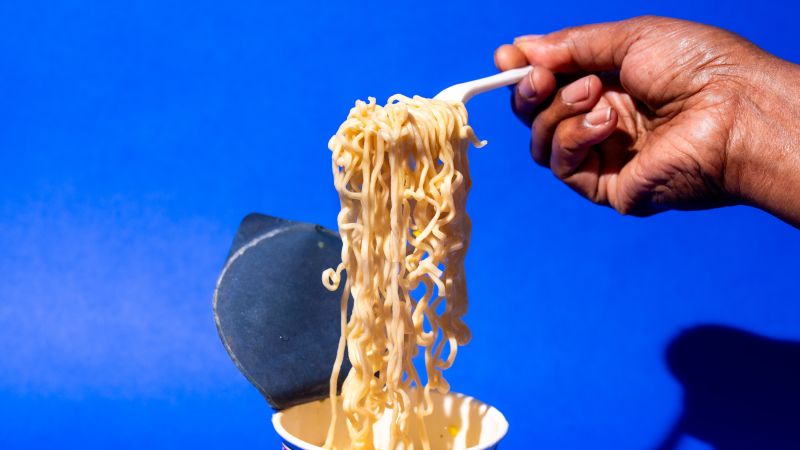
By 1971, Nissin Foods Group had introduced the first cup noodles, a convenient format that combined the noodles with a disposable container and a fork. This change made them accessible to a broader audience, especially in regions where chopsticks were not yet widely used. The company’s expansion followed swiftly, with its first overseas factory opening in Pennsylvania, USA, just two years later. This marked the beginning of a global journey for a product that started in a modest wooden shed in Osaka.
From Necessity to Luxury: A Growing Industry
Today, the demand for instant noodles has reached unprecedented levels. Over 123 billion servings are consumed annually worldwide, with China leading the pack by devouring nearly 43,802 million packs each year. Indonesia and India follow closely, at 14,680 million and 8,320 million servings, respectively. However, when it comes to per capita consumption, Vietnam takes the crown. Each citizen eats an average of 81 servings annually, surpassing South Korea’s 79 and Thailand’s 58. This data underscores the product’s versatility and its deep integration into daily life across cultures.
While affordability remains a key driver, the market in Vietnam is evolving. According to the World Instant Noodles Association (WINA), the demand for these noodles is no longer solely about cost. Instead, it reflects a growing preference for quick, flavorful meal options in a fast-paced society. “In Vietnam, noodles have long been rooted in the country’s culinary culture, and as the economy continues to grow, the need for convenient and satisfying meal solutions is also increasing,” a WINA representative explained. This shift highlights how instant noodles have adapted to changing consumer priorities.
Manufacturers like Nissin Foods Group attribute their product’s success to its ability to meet universal needs. “The reason instant noodles have been widely embraced around the world as a ‘comfort food’ lies in their ability to offer universal values that people seek in food — namely, delicious taste, convenience, preservability, affordability, and safety,” said a representative of Nissin Foods Group. These values, established by Ando, have proven resilient across decades and cultures.
Scientists, however, offer a different perspective. They argue that the popularity of instant noodles stems from their addictive qualities. Ultra-processed foods like these are known for their high energy density and hyperpalatability, which combine salt, sugar, fat, and carbs to create irresistible cravings. Research shows that these factors contribute to a dependency that keeps people returning for more, even as health concerns persist.
While the health risks of instant noodles are well-documented, their appeal remains strong. Studies have linked frequent consumption to conditions like dementia, heart disease, and hormonal imbalances, yet these findings have not deterred their popularity. In fact, the very qualities that make them unhealthy — such as high sodium and refined carbohydrates — are the same that make them addictive. This paradox raises questions about how society balances convenience with health, and whether the future of instant noodles lies in moderation or innovation.
As the global market continues to expand, manufacturers are exploring ways to improve the nutritional profile of their products without sacrificing taste. Some have introduced variants with whole grains, vegetables, and lean proteins, aiming to cater to health-conscious consumers. Yet, the core identity of instant noodles as a quick, satisfying fix remains intact. Whether in a bustling city or a remote village, they continue to be a reliable choice, proving that comfort and convenience are timeless needs in a world that often moves too fast for perfection.
