
Sorsby looks to NFL after legal fight with NCAA over his eligibility for gambling
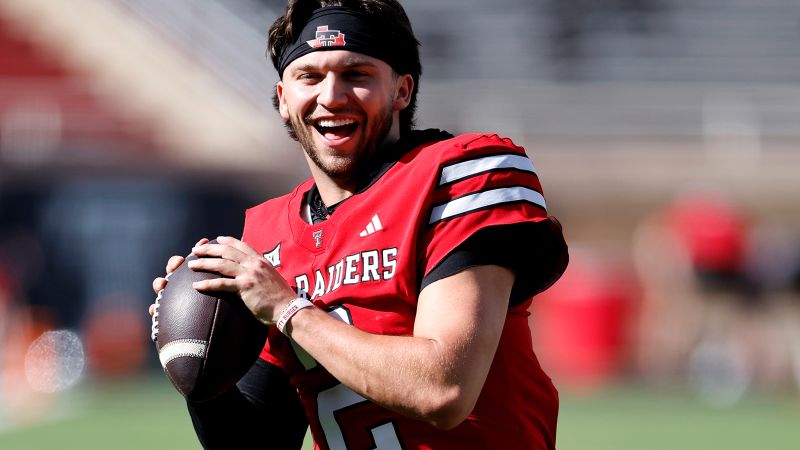
Brendan Sorsby to NFL After NCAA Legal Battle Ends
Sorsby looks to NFL after legal – Brendan Sorsby, the transfer quarterback who had sparked a high-profile legal dispute with the NCAA, has decided to forgo his final season at Texas Tech and pursue a professional football career. This shift comes as the NCAA and Big 12 Conference prepare to challenge the temporary injunction that allowed Sorsby to remain eligible despite his gambling history. The decision to abandon the legal fight marks the end of a tense standoff, with Sorsby’s move aligning with his goal to enter the NFL supplemental draft. With the June 22nd deadline looming, the quarterback is now focusing on his next opportunity in the professional ranks.
Strategic Exit Amid Legal Uncertainty
The NCAA’s prolonged legal battle with Texas Tech over Sorsby’s eligibility centered on whether his past gambling activities violated the association’s rules. Sorsby, who wagered on college and professional sports—including his own team—during his time at Indiana, faced potential sanctions that could have forced him to sit out the 2025 season. After months of litigation, the decision to end the fight and enter the NFL was framed as a strategic choice to avoid further disruptions to Texas Tech’s football program. “This is the only viable path forward,” stated Cody Campbell, the university’s billionaire booster, in an open letter released Monday.
According to Campbell, Texas Tech will not seek repayment of the NIL payments made to Sorsby, ensuring the team remains financially stable as it eyes a Big 12 championship season. The quarterback’s departure adds a layer of complexity to the Red Raiders’ plans, particularly as they aim to strengthen their roster for the College Football Playoff. While the legal battle concluded, the implications of Sorsby’s actions continue to reverberate across the college sports landscape.
Legal Framework and NCAA’s Stance
The NCAA’s legal challenge sought to overturn the temporary injunction granted by a Lubbock County court, which cleared Sorsby to play despite his admitted gambling. The ruling, which allowed the quarterback to compete, was seen as a victory for Texas Tech, but it also raised questions about the NCAA’s strict enforcement of eligibility rules. The association argued that the decision created a precedent that could allow student-athletes to bypass penalties for violations, potentially undermining the integrity of college sports. “The current rulebook is being stretched to its limits,” said one NCAA representative in a statement.
Sorsby’s case has highlighted the evolving nature of student-athlete eligibility, particularly in the context of modern NIL deals. While the gambler’s activities were not targeted at specific games he played for Indiana, they became a focal point of the dispute. The NCAA’s stance against such activities remains firm, but the legal victory for Sorsby suggests a possible shift in how institutions navigate these regulations. This development could influence future decisions for athletes seeking to enter professional leagues.
Supplemental Draft and Future Prospects
Sorsby’s entry into the NFL supplemental draft underscores the urgency of resolving his eligibility before the June 22nd deadline. The supplemental draft, which allows teams to select undrafted players, provides a last-chance opportunity for athletes unable to secure a spot in the main draft. By focusing on this pathway, Sorsby aims to capitalize on his skills while avoiding the uncertainty of a potential court ruling that might delay his professional debut. His move also reflects the broader trend of student-athletes prioritizing their careers over remaining in college, even amid legal challenges.
With the legal battle concluded, attention now turns to Sorsby’s performance in the NFL. The quarterback’s decision to forgo his final college season highlights the trade-offs athletes face when balancing academic obligations with professional aspirations. As the supplemental draft approaches, Sorsby’s actions serve as a case study in the intersection of sports, law, and opportunity in collegiate athletics. The NCAA’s response to his departure will likely shape future policies on gambling and student-athlete eligibility.
Legacy of the Legal Dispute
The resolution of Sorsby’s case could have long-term implications for how the NCAA handles eligibility disputes. The temporary injunction granted in his favor demonstrates the flexibility of state courts in interpreting the association’s rules, potentially opening the door for similar cases in the future. However, the NCAA maintains its position that gambling violations should not go unpunished, even if they occur outside of a specific game. This conflict between institutional authority and judicial interpretation remains a key issue in college sports governance.
As Sorsby prepares for his NFL career, the legal battle serves as a reminder of the complexities surrounding student-athlete eligibility. The case underscores the need for clearer guidelines on gambling activities and their impact on collegiate sports. With the future of college football evolving rapidly, Sorsby’s decision to look to the NFL after the legal fight reflects a growing trend of athletes seeking professional opportunities ahead of their final college seasons.
