
When it may make sense to claim Social Security at 62
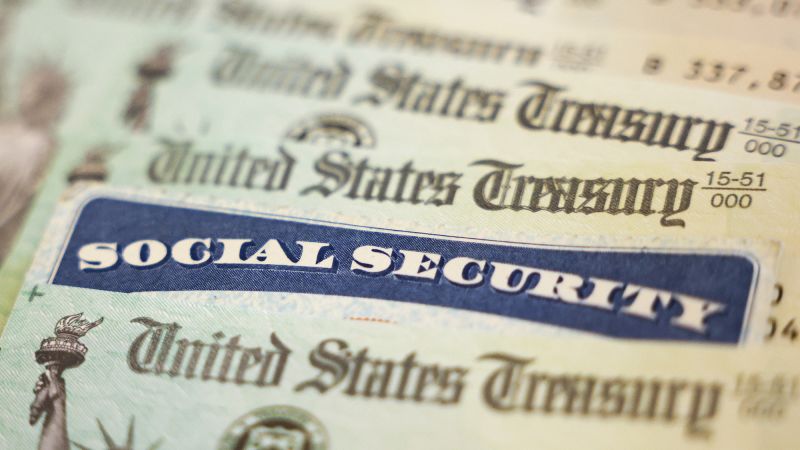
When It May Make Sense to Claim Social Security at 62
When it may make sense to claim – The decision to claim Social Security retirement benefits at 62 often hinges on a complex interplay of personal circumstances, financial planning, and long-term projections. While most experts advocate waiting until full retirement age—currently 67—to maximize monthly payouts, some scenarios might justify starting earlier. This article explores key factors that could influence the optimal time to begin receiving benefits, including health, economic needs, and upcoming changes to the program.
The Cost of Early Claims
Claiming benefits at 62 reduces the amount received for life. For example, if your monthly benefit at 67 is $2,000, starting at 62 would lower it to $1,400—a 30% decrease. Waiting until age 70, on the other hand, increases the benefit by 24%, resulting in $2,480 per month. These adjustments reflect the program’s formula, which rewards delayed claims by increasing payouts based on the number of months deferred.
For individuals with limited retirement income, the immediate cash flow of starting early might outweigh the long-term trade-offs. However, the choice is not straightforward, as future financial needs and external factors, such as the 2032 projected funding shortfall, could complicate matters.
Health and Longevity Considerations
Health plays a pivotal role in this decision. If you anticipate a shorter lifespan due to poor health, claiming at 62 might be more beneficial. Jack Smalligan, a senior policy fellow at the Urban Institute’s Tax and Income Supports Division, highlights that those with serious illnesses may qualify for Social Security Disability benefits. While the application process is rigorous, these benefits could provide a higher combined income than the reduced amount available for retirees who start at 62.
“Social Security Disability can offer a significant boost if you’re unable to work for an extended period. It’s a critical safety net for individuals who might not live long enough to benefit from delayed retirement payments,” Smalligan explained.
Moreover, longevity expectations are crucial. If you expect to live into your 80s or beyond, waiting until 70 ensures larger monthly payments. However, if your health suggests you may not reach that age, the earlier start could be more advantageous.
Family Dynamics and Survivor Benefits
Family status also affects the timing of claims. For married individuals or those with dependents, the decision often involves balancing personal needs with future benefits for loved ones. If a spouse or child qualifies for survivor benefits upon your death, claiming early might reduce the total amount they receive. Martha Shedden, president of the National Association of Registered Social Security Analysts (NARSSA), notes that this is particularly relevant when there are significant age or earnings differences between spouses.
“Married couples should strategize the best time for each partner to file, especially if one earns more or retires earlier,” Shedden said. “Delaying benefits until full retirement age can maximize the overall family payout, including survivor benefits.”
Financial Uncertainty and the 2032 Projection
The 2032 funding shortfall adds another layer of complexity. Social Security Trustees estimate that the program may only cover 78% of promised benefits that year unless Congress adjusts the system or borrows to bridge the gap. This projection raises questions about whether current retirees should delay claims to avoid potential reductions.
“Many people are now considering how this might impact their decisions. If you claim early, you could be more vulnerable to future cuts, especially if lawmakers choose to reduce benefits for current beneficiaries,” said Marc Goldwein of the Committee for a Responsible Federal Budget.
Goldwein’s team developed a calculator to explore solutions to the funding crisis, but the uncertainty remains. Some argue that starting early could protect against policy changes, while others caution that it might expose individuals to other risks, such as outliving their savings.
Early Retirement and Economic Needs
Unexpected early retirement, such as due to a layoff or job loss, might necessitate claiming benefits at 62. Bill Sweeney, AARP’s senior vice president of government affairs, emphasized the importance of Social Security as a “backstop” for those who retire before planning. “If you’re forced to leave the workforce earlier, Social Security becomes a vital source of income,” he noted.
However, the program’s structure means that early claims could limit future flexibility. For instance, if you start receiving benefits at 62, you might not have the option to suspend payments later to earn higher rates. This trade-off is especially relevant for those who have other retirement income sources, such as pensions or investments, but still need immediate support.
Strategies for Navigating the Decision
Maximizing Social Security benefits often requires a tailored approach. Factors like marital status, parental responsibilities, and tax brackets all play a role. For example, if you have a spouse or children, coordinating claims can optimize the family’s overall income. Additionally, working part-time while collecting benefits might reduce the tax burden, but the exact impact depends on your income level and the tax rules in effect.
“The program’s rules are intricate, and there are countless combinations to consider,” Shedden added. “This includes how different claim ages interact with survivor benefits, spousal support, and other retirement income streams.”
Tools for Informed Decisions
To evaluate the best time to claim, individuals should use the tools provided by the Social Security Administration (SSA). Signing up for an online account at ssa.gov offers detailed estimates of benefits at various ages, helping users compare options. These projections are vital for understanding how each choice affects lifetime payouts.
Ultimately, the decision depends on personal priorities and life circumstances. For those who need income immediately, starting at 62 can be a practical step. However, for individuals with financial stability and long life expectancy, waiting until full retirement age or beyond may yield greater long-term rewards. As the 2032 projection looms, careful planning and consideration of all variables will be key to making the most of Social Security benefits.
By analyzing health, family needs, and potential policy changes, retirees can make a choice that aligns with their financial goals. Whether to claim early or wait later is a personal equation, but understanding the numbers and rules ensures a more informed approach. The SSA’s resources, combined with expert guidance, can help navigate this critical decision point in retirement planning.
