
Viktor Orbán re-elected as Fidesz party leader in Hungary despite election loss
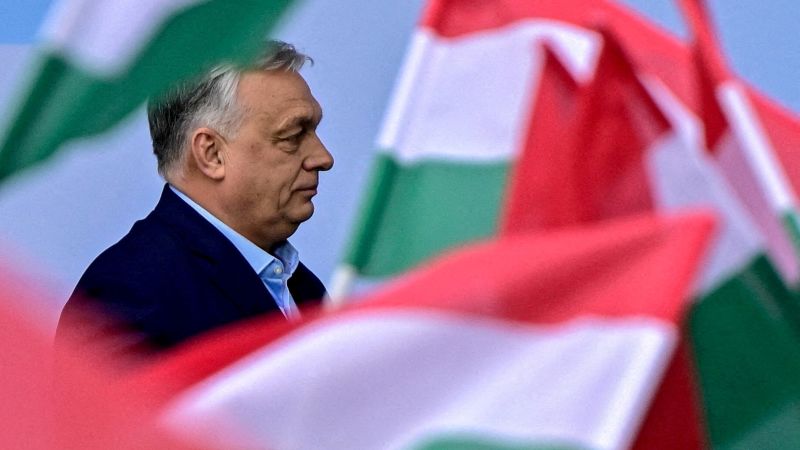
Viktor Orbán Re-Elected as Fidesz Leader in Hungary Despite Election Loss
Viktor Orbán re elected as Fidesz – Hungary’s ruling Fidesz party has re-elected Viktor Orbán as its leader, signaling his continued influence within the party despite losing the parliamentary elections to the center-right Tisza party. The party congress on Saturday saw Orbán secure a landslide vote, with 729 out of 737 delegates supporting his reappointment. While Fidesz lost its majority, the re-election reinforces Orbán’s political stronghold and hints at potential future strategies to reclaim power. This development underscores the party’s resilience and Orbán’s enduring appeal to his core supporters.
Leadership and Party Dynamics
Orbán’s leadership, which has dominated Hungarian politics for over a decade, remains unchallenged at the party’s congress. His re-election as Fidesz leader comes amid shifting political tides, with the April 12 election results reflecting a growing divide between his nationalist policies and the preferences of a more moderate electorate. Despite this, Orbán’s base of loyalists appears undeterred, with many viewing his return as a strategic move to rebuild Fidesz’s electoral base. The speech he delivered during the congress emphasized his commitment to steering Hungary toward his vision of governance, even as he acknowledged the need for adaptation.
“Our victory today is a testament to the strength of our ideals and the trust of our people,” Orbán stated, rallying his delegates. “Though the parliament has turned to Tisza, our mission remains clear: to restore Hungary’s sovereignty and democratic values through Fidesz’s leadership.”
The declaration highlights Orbán’s ability to frame his re-election as a continuation of his political agenda, even in the face of electoral setbacks. His 16-year tenure as prime minister has been defined by a blend of populism, centralized control, and reforms, which continue to shape Hungary’s domestic and international policies.
Strategic Implications and Opposition
While Tisza now holds the parliamentary majority, Fidesz’s re-election of Orbán suggests the party is not abandoning its long-term goals. Orbán’s campaign focused on reinvigorating Fidesz’s opposition role, positioning the party as a formidable force against Tisza’s policies. The new leader’s vision includes a return to Fidesz’s traditional emphasis on national identity and economic self-reliance, which he argues aligns with Hungary’s future needs. However, critics warn that his leadership may lead to internal tensions as Fidesz seeks to balance its ideological core with pragmatic adjustments to regain electoral momentum.
Orbán’s re-election also highlights the broader implications for Hungarian politics. His continued dominance within Fidesz raises questions about the party’s ability to evolve while maintaining its support base. With a May survey by the Publicus Institute showing Fidesz at 17% public approval, compared to Tisza’s 55%, the party faces a significant challenge in regaining trust. Yet, Orbán’s experience and charisma are seen as key assets in rebuilding Fidesz’s appeal and countering the momentum of its rivals.
Economic and Social Policies
Fidesz’s policies have long been a cornerstone of Orbán’s governance, including a focus on economic stability, social welfare, and strong national identity. His re-election as Fidesz leader reinforces these priorities, as he aims to align the party’s strategy with the current political climate. The party’s recent emphasis on retaining control over judicial appointments and maintaining Hungary’s alignment with right-wing movements has been a double-edged sword, drawing both admiration and skepticism from across Europe. Orbán’s ability to secure the leadership vote despite these challenges underscores his appeal to a specific segment of the electorate.
Despite the loss of parliamentary majority, Orbán’s re-election as Fidesz leader signals a shift in focus from governing to opposition. This move is expected to galvanize Fidesz’s efforts to mobilize grassroots support and refine its message to counter Tisza’s gains. The party’s leaders have expressed confidence in Orbán’s leadership, citing his experience and vision as critical to their success. As Fidesz prepares to challenge Tisza’s dominance, the re-election solidifies Orbán’s role as the party’s unifying figure and strategic architect.
